


LMCBM Continuous Ball Mill
The Continuous Ball Mill is a type of grinder used to grind and blend materials
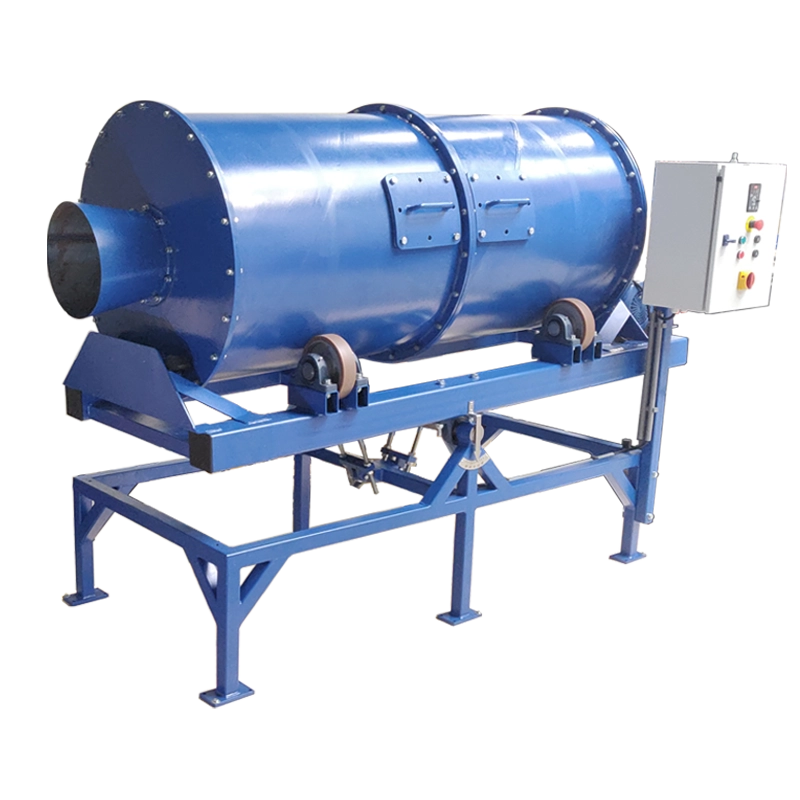
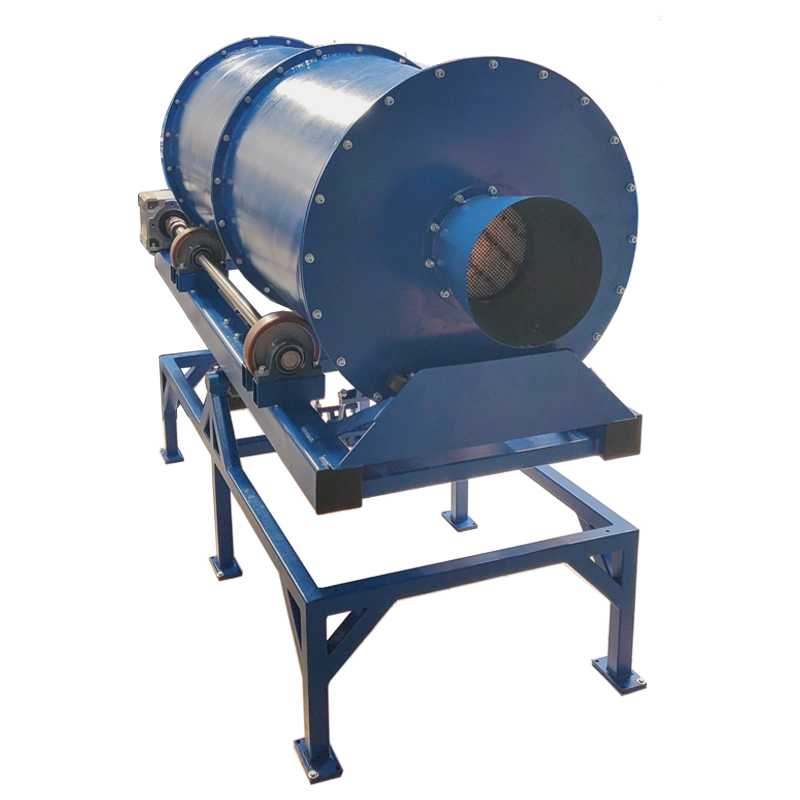
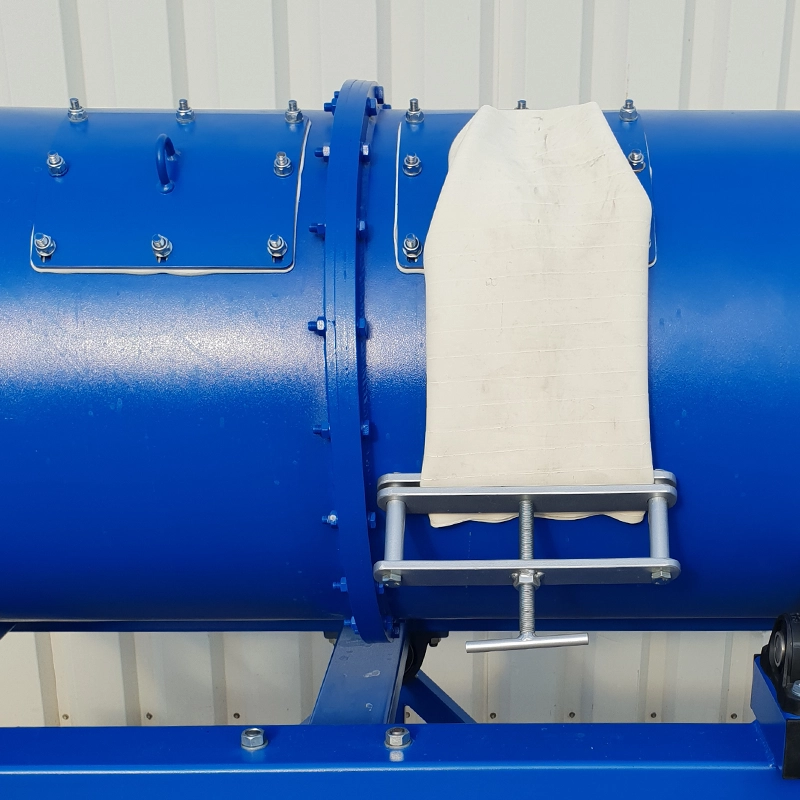
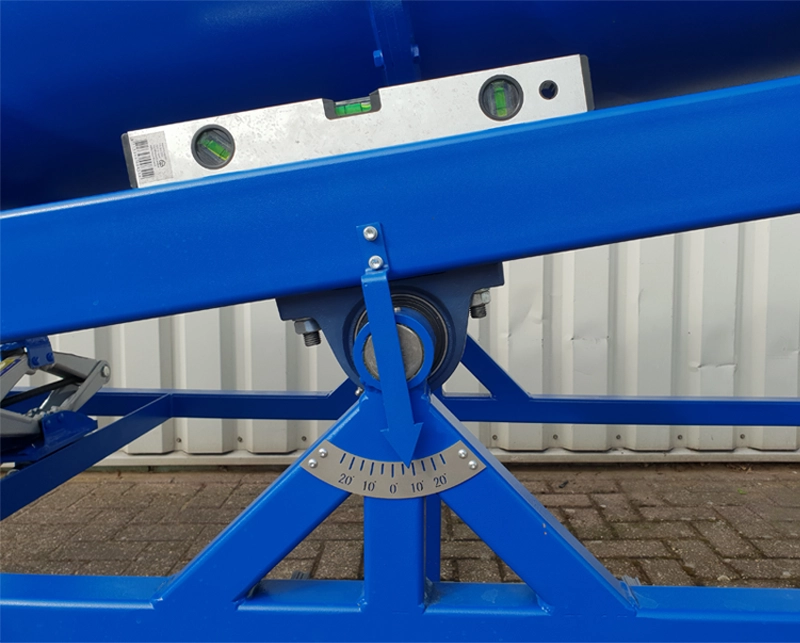
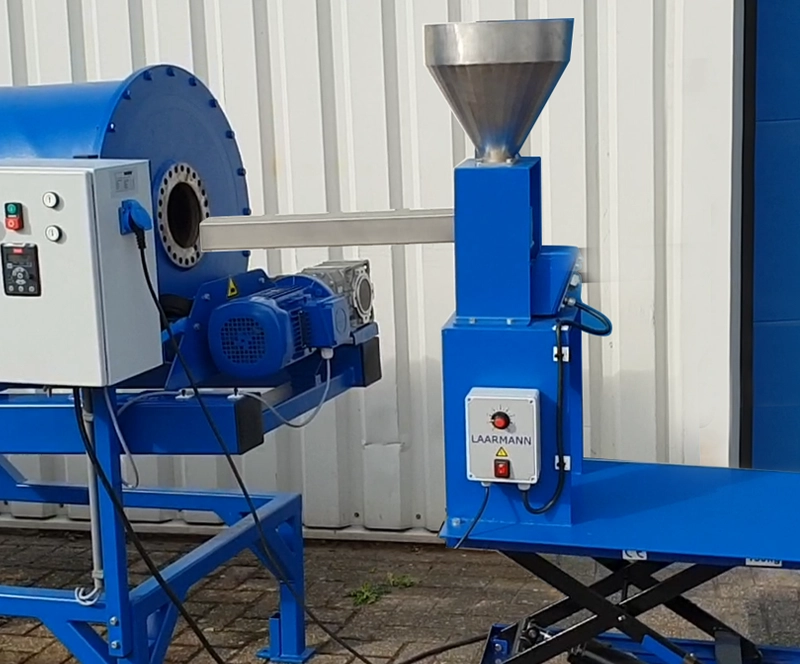
The Continuous Ball Mill from LAARMANN is engineered for efficient, uninterrupted grinding and milling of a wide range of materials including minerals, pigments, coal and industrial powders. Unlike batch ball mills which process material in fixed loads, LAARMANN's continuous ball mill allows raw materials to be fed at one end and discharged continuously at the required fineness, enabling higher throughput and consistent particle size distribution - ideal for large-scale production and automated processing lines. The Continue Ball Mill is divided in three main components. The vibratory feeder, ball mill and collector hopper. To manage the throughput and flow the machine can be set under a specific angle and has adjustable rpm. The machine has multiple access points for cleaning to prevent cross contamination.
Features and Benefits
- Digital control by touch screen
- High performance mixing and milling
- End fineness up to 1 mm
- Uniform particle size distribution
- Optional sample feeder device for the operator
Technical Specifications
| Applications | Clinker, limestone, Ores, minerals, Ceramic raw materials, Pigments, dyes, Industrial chemicals |
| Application fields | Cement and building materials industry, Mining and mineral processing |
| Working principle | Grinds material by rotating a horizontal drum filled with grinding media |
| Feed size | < 25 mm |
| End fineness | < 1 mm |
| Speed setting | 9 to 46 rpm |
| Setting adjustment method | digital control panel |
| Drum volume | 500 liter |
| Power supply | 220V ? 10% - 50/60Hz |
| Electrical requirements | 2,2 kW |
| Power connection | 3 phase |
| Dust extraction point | 1 |
| Standard | CE |
| Protection code | IP40 |
| Weight | 475kg |
| Dimensions (width x length x height) | 741 x 1087 x 1378 mm |
Continuous ball mill Working principle
The continuous ball mill is used to grind and blend materials continuously. This mill is particularly useful in large-scale industrial applications where a continuous flow of material is required, such as in the mining, cement, chemical, and ceramic industries.
The continuous ball mill is designed to handle large quantities of material and maintain a constant output of finely ground product.
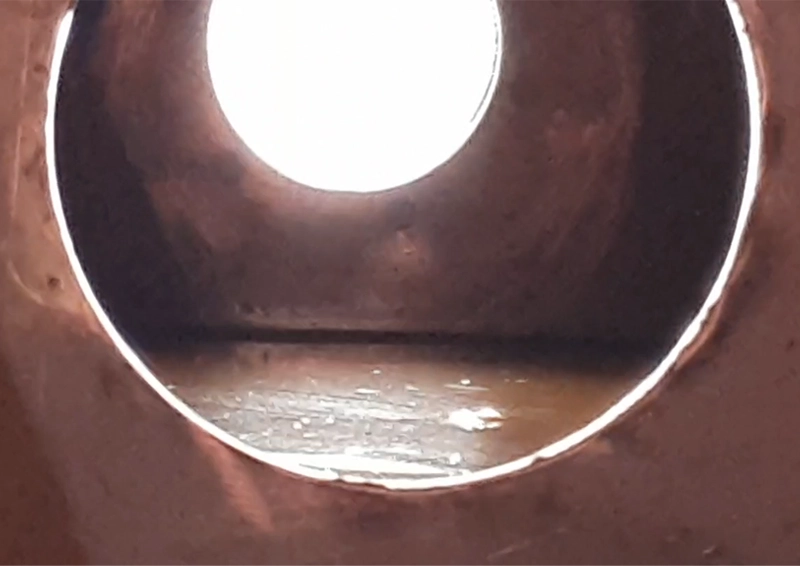
The core component of a continuous ball mill is a large, rotating cylindrical chamber or drum.
This chamber is typically lined with wear-resistant material, such as steel or rubber, to protect it from abrasion and to enhance grinding efficiency.
The drum is mounted horizontally and rotates around its longitudinal axis.
Inside the grinding chamber, the continuous ball mill contains grinding media, usually steel or ceramic balls, which are used to crush and grind the material.
The size and material of the grinding media can be adjusted depending on the material being processed and the desired fineness of the final product.
As the drum rotates, the grinding media are lifted on the rising side of the drum and then cascade down, impacting the material and grinding it into a fine powder.
The rotating drum of the ball mill is powered by an electric motor connected to a gearbox and drive shaft.
The speed of rotation can be adjusted depending on the material properties and the desired particle size.
The motor's power and the drum's rotation speed are crucial factors that determine the mill's grinding efficiency and the final particle size.
How it works
Raw material is continuously fed into the grinding chamber through the feed system. The rate of feeding is controlled to ensure a steady flow of material into the mill.
As the drum rotates, the grinding media inside the chamber are lifted and then fall, creating an impact and attrition force that crushes and grinds the material. The continuous rotation ensures that the material is repeatedly exposed to the grinding media, resulting in a fine and uniform product.
The grinding process continues until the material reaches the desired particle size. The smaller particles are discharged through the mill's outlet, while any larger particles are retained and subjected to further grinding.
The fine product is continuously discharged from the mill through the outlet. The discharge system may include a classifier that separates the fine product from coarser material, which is recirculated back into the mill for additional grinding.
Throughout the process, the cooling system helps manage the heat generated by grinding, while the lubrication system ensures that all moving parts operate smoothly and efficiently.
Feeder and Collector
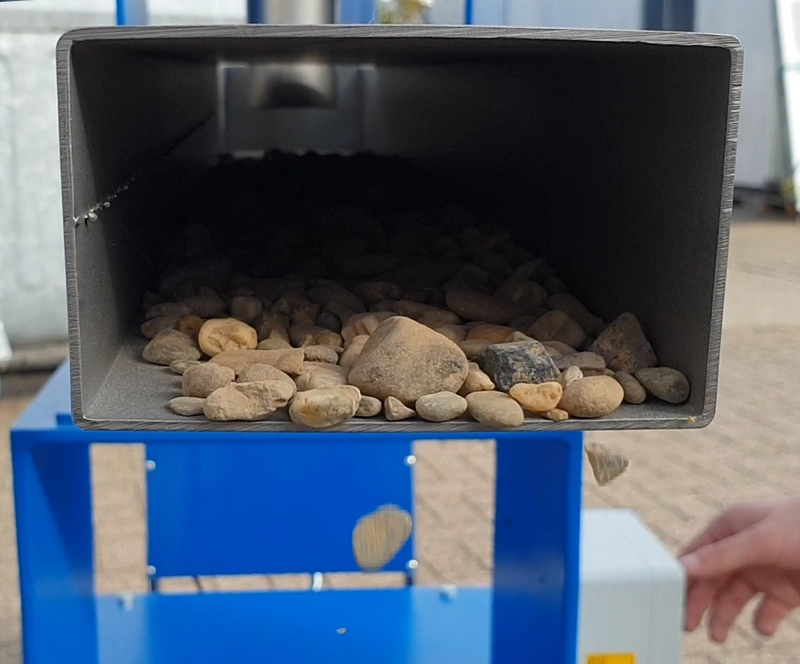
This system allows for uninterrupted operation, making it ideal for large-scale production. It can be equipped with a vibratory feeder, ensuring a consistent and controlled feed of material into the mill for optimal grinding performance. Additionally, the setup includes a collector hopper designed to capture the ground material, which can handle both solids and liquids. The hopper is further enhanced with a pump system that efficiently removes liquids, allowing for the handling of wet grinding applications or slurries. This configuration ensures streamlined operation, precise control over the grinding process, and easy management of output materials, making the continuous ball mill a versatile and effective choice for various industrial applications.


Continuous Ball Mill FAQ (Frequently Asked Questions)
Applications
Continuous ball mills are designed to handle a wide range of materials, including ores, chemicals, ceramics, and more. The choice of lining and grinding media can be customized to match the specific properties of the material being processed.
Visit our Applications page for our database of specific applications