

TML transportable moisture limit
Precision machines for flow table, penetration, and Proctor/Fagerberg tests to determine moisture safety limits in bulk materials.
Transportable Moisture Limit (TML) testing determines the maximum moisture content at which a bulk material is safe to transport without risk of liquefaction under vibration and load. This parameter is critical in the mining, shipping, and materials processing industries for safe handling of ores, concentrates and other solid bulk cargos.
TML testing methods, including the Flow Table Test, Penetration Test, and Proctor/Fagerberg Method help measure moisture-related behavior for compliance with international shipping standards such as the IMSBC Code
TML machinery is designed for precision and reliability, providing critical data on the grindability of various materials.
This equipment is an industry standard in mining, mineral processing, and material testing, helping engineers and researchers optimize crushing and grinding operations.
TML Flow Table Test
The flow table test machine is used to determine the flow characteristics of cementitious materials.
- Freely movable and air-controlled tamper
- Ensures compliance with IMSBC Code

TML Penetration Test
A TML penetration test machine measures the resistance of materials.
- Portable design for on-site testing
- Easy adjustable settings using digital program
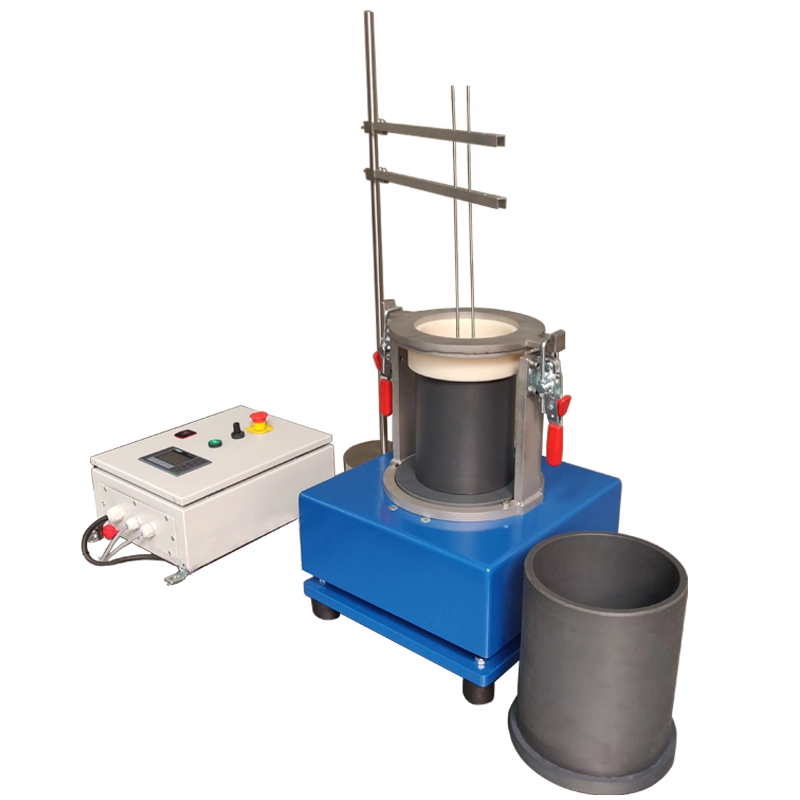
TML Proctor / Fagerberg
The Proctor/Fagerberg test is conducted to determine the maximum density of a material.
