

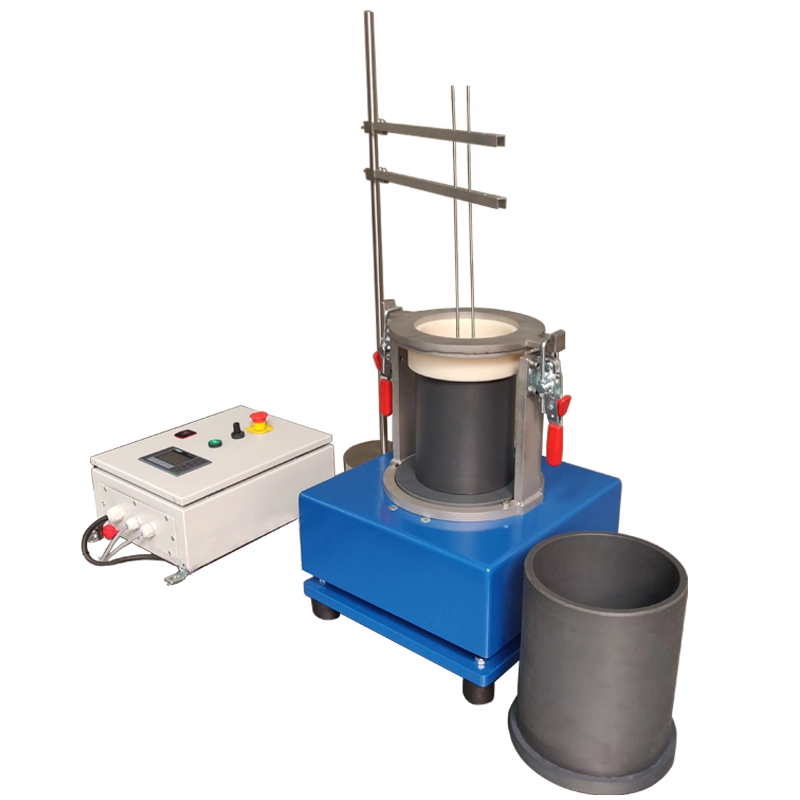
TML Penetration test
A penetration test is used to determine whether the Transportable Moisture Limit has been reached.


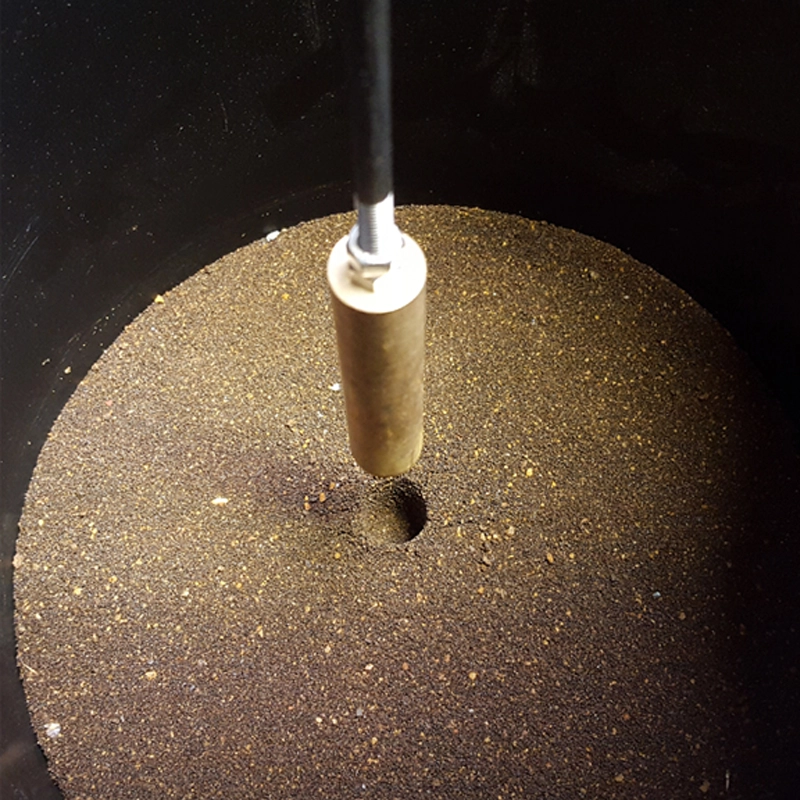
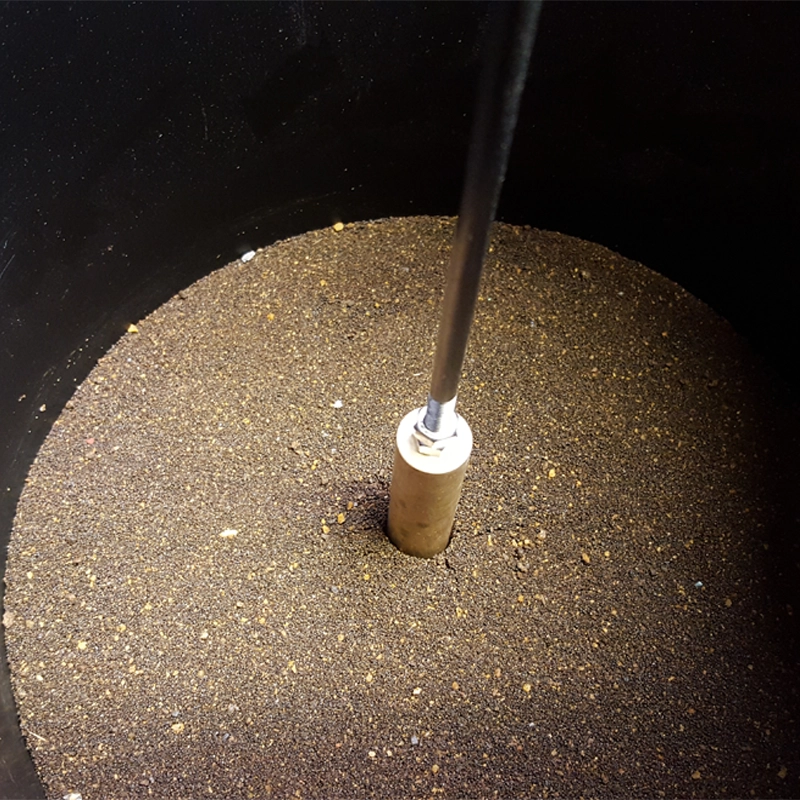
A penetration test is used to determine whether the Transportable Moisture Limit has been reached. The sample is placed in a cylinder with a weight placed on top and than vibrated. If the weight sinks the sample has a low shear strength. The Flow Moisture Point is determined on the basis of the penetration depth of the weight.
Features and Benefits
- Quick and efficient testing
- 100% accurate test results
- Easy adjustable settings using digital program
- Ensures compliance with IMSBC Code promoting safety in maritime transport
- Portable design for on site testing

Technical Specifications
| Applications | iron ore fines, bauxite, coal, nickel ore, and mineral concentrates |
| Working principle | determine the Transportable Moisture Limit has been reached based on the penetration depth of an indicator |
| Speed | 1600 - 4006rpm |
| Setting adjustment method | Automatic control, hand control |
| Cylinder inner diameter | 194mm (large) 146mm (small) |
| Depth | 253 (large) 202(small) |
| Cylinder wall thickness | 10.3mm (large) 9.6mm (small) |
| Collector volume | 10 litre (other volumes on request) |
| Electrical requirements | 220V ± 10% - 50/60Hz |
| Power supply | 3 kW |
| Power connection | 1 phase |
| Standard | CE |
| Protection code | IP40 |
| Weight | 90kg |
| Dimensions (width x length x height) | 600 x 500 x 1150 mm |
tml penetration test Working principle
A transportable moisture limit (TML) penetration test machine is a specialized device used to determine the TML of bulk cargoes, particularly solid bulk cargoes like ores, concentrates, and minerals.
The TML is a critical parameter used in the shipping industry to ensure safe transportation of these materials by sea.
The TML penetration test machine includes a device specifically designed to measure the penetration resistance of the cargo. It typically consists of a penetrometer or a penetrometer probe.
The penetration test device is operated by a hydraulic or mechanical system, allowing controlled and precise application of force during the penetration test.
The force applied represents the resistance encountered by the penetrometer as it penetrates the cargo.
The TML penetration test machine is designed to be transportable and mobile, allowing it to be easily moved and used in various locations such as ports, terminals, or laboratories.
It may be compact in size and equipped with handles or wheels for ease of transportation.
The TML penetration test machine plays a crucial role in assessing the moisture content and flow characteristics of solid bulk cargoes. By determining the TML, which is the moisture content at which the cargo can potentially transform into a fluid-like state during transport, it helps ensure the stability and safety of the cargo during shipping. Compliance with TML regulations and guidelines is essential to prevent cargo liquefaction, which can lead to vessel instability and pose significant risks to maritime transportation.
TML Penetration Test FAQ (Frequently Asked Questions)
Applications
- Ensuring that bulk cargoes such as iron ore fines, bauxite, coal, nickel ore, and mineral concentrates meet International Maritime Solid Bulk Cargoes (IMSBC) Code moisture limit regulations.
Visit our Applications page for our database of specific applications