Pellet Presses
Prepare strong, repeatable pellets for XRF, infrared spectroscopy, calorimetry and similar lab analysis with LAARMANN manual and motorized hydraulic pellet presses and die sets from 3?50 mm.
If you analyze samples like grounded soil, various powders or other processed materials using an X-ray fluorescence instrument, infrared spectroscopy, calotimeter or similar machines you will need to have a solid lab press. Your xrf/pellet press should be easy to handle in order to produce the perfect pellets. LAARMANN manual lab presses are made from solid stainless steel and aluminium construction for the best quality, enabling to use a variation of die sets from 3 to 50 mm, which will give you the best results in the market.
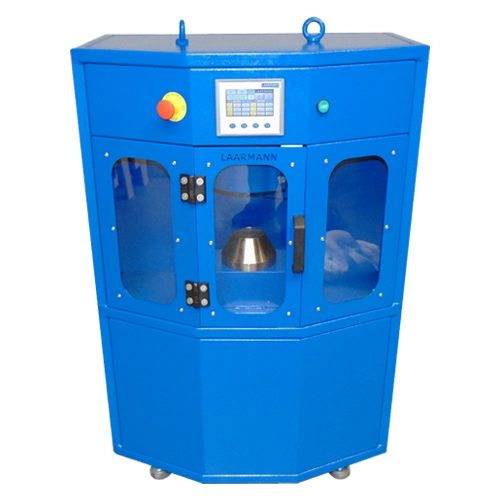
LMTP Pellet Press Motorized
Motorized hydraulic pellet press for frequent and reproducible preparation of small powder samples.
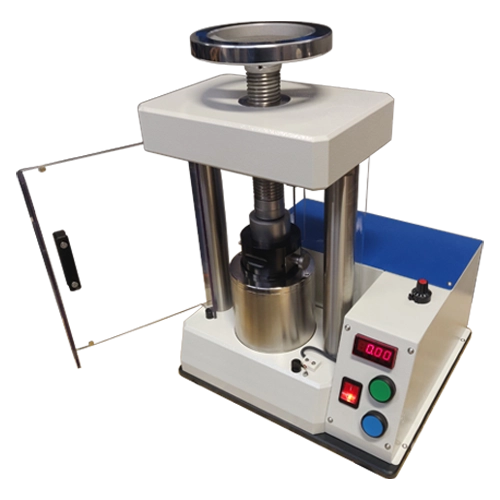
LMTP 1-15 Tons Pellet Press
High-performance pellet press for compressing powdered raw materials into solid, cylindrical pellets.
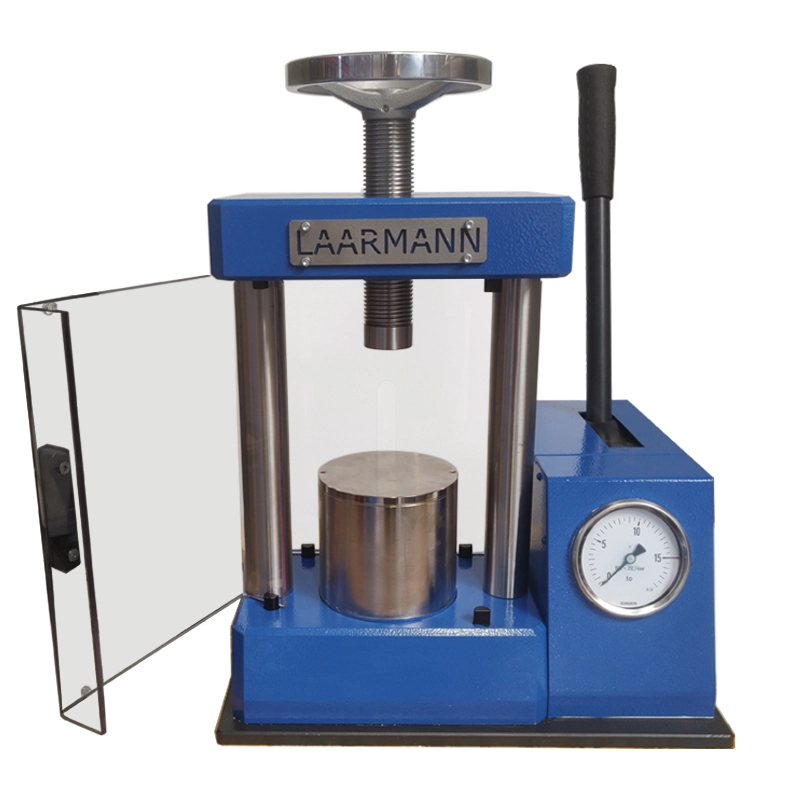
LMTP 1-25 Tons Pellet Press
High-performance pellet press for compressing powdered raw materials into solid, cylindrical pellets.
LMPP 40 Tons Pellet Press
High-power 40-ton pellet press operated with a detailed digital control panel.