

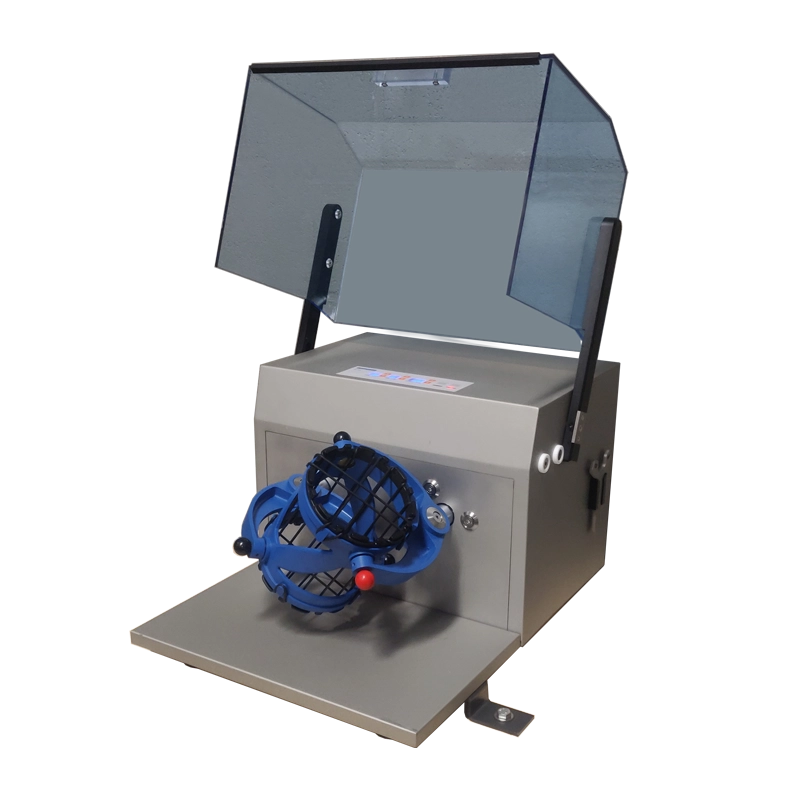
LMTM100 Tumble Mixer
Three-dimensional tumble mixer for fast, uniform homogenizing of powders and granulates.
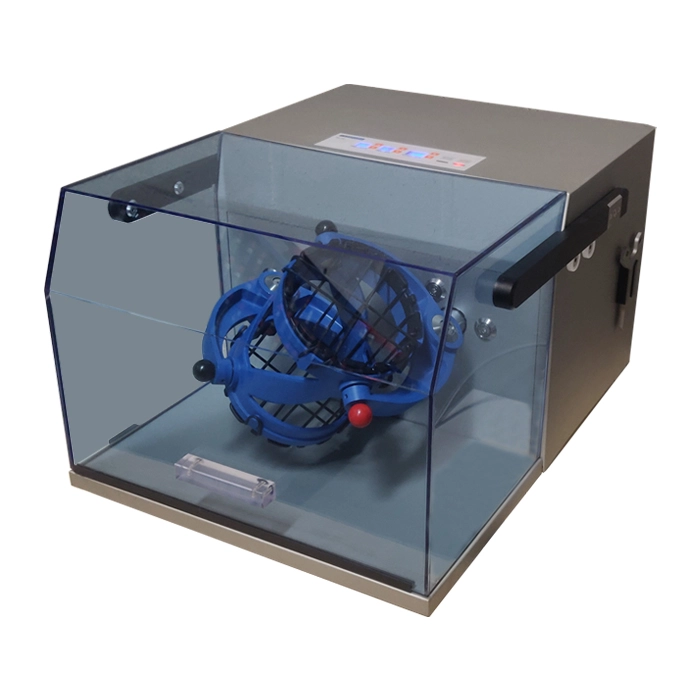
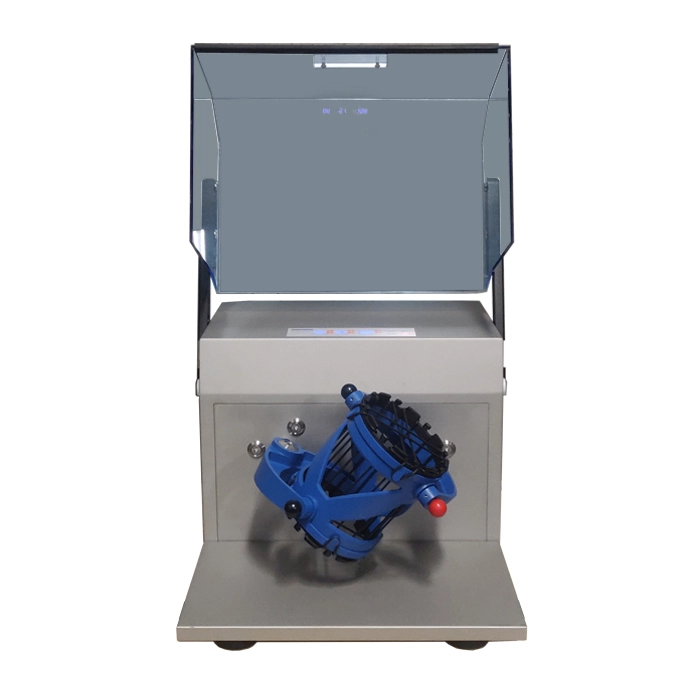
A three-dimensional mixer is a high-performance mixing device designed to blend materials homogeneously through multi-directional motion.
Unlike conventional mixers, it employs a unique three-axis movement, combining rotational, translational, and rocking motions to achieve superior mixing efficiency. This technology is particularly suitable for materials with different densities or particle sizes, ensuring uniform mixing without the risk of segregation.
Three-dimensional mixers are widely used in industries such as pharmaceuticals, food processing, chemicals, and materials science, where precision and consistency are essential.
The Laarmann Tumble Mixer offers better results than any other blender with reliable results and reduced mixing time.
According to Schatz Geometric theory, the different specific gravity samples are placed into a closed container and kept rolling-over, inverting, rocking in a multi axial space until to the maximum uniformity.
Features and Benefits
- 3D multi-axis mixing for reliable homogenization
- Adjustable speed (20?100 rpm) for gentle or faster blending
- Multiple container sizes (2 L / 1 L / 0.5 L)
- Easy operation
- Low noise and high handling capacity
- Dust-free operation, no environmental pollution
Technical Specifications
| Applications | separation of different materials, particularly minerals, by agitating a pulverized mixture of solids in liquids |
| Working principle | Blending and mixing with three dimensional movement |
| Speed setting | 20-100rpm |
| Setting adjustment method | Control panel |
| Collector volume | 2L/1L/0.5L |
| Power supply | 220v,50/60Hz |
| Electrical requirements | 200W |
| Power connection | 1 phase |
| Standard | CE |
| Protection code | IP40 |
| Weight | 60kg |
| Dimensions (width x length x height) | 496 x 640 x 375mm |
Tumble Mixer working principle
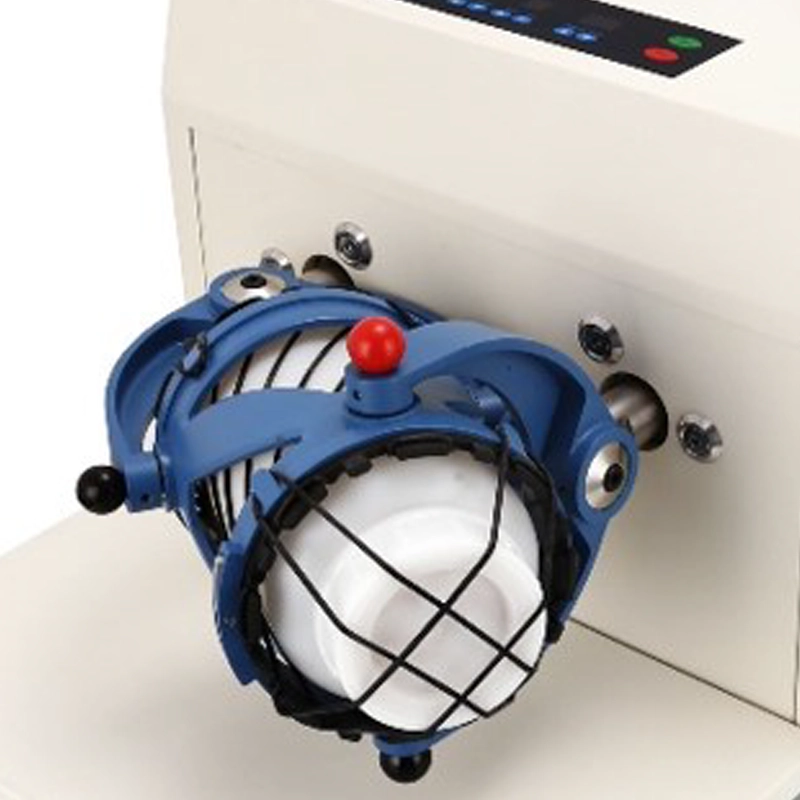
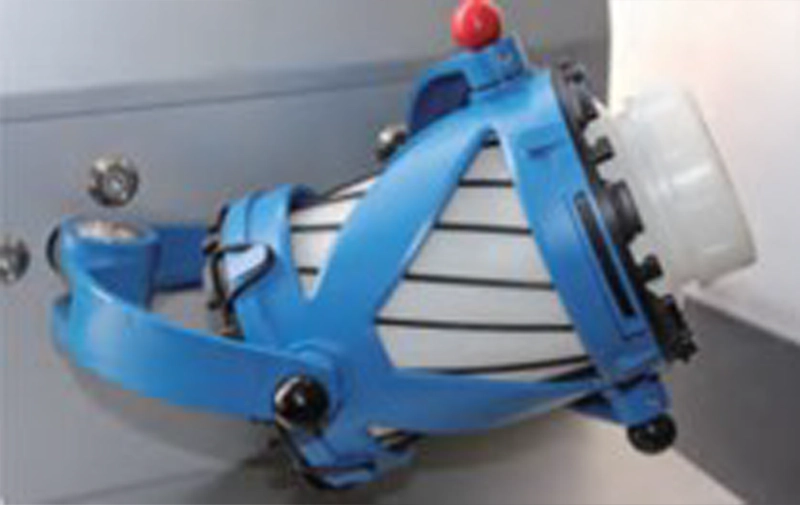
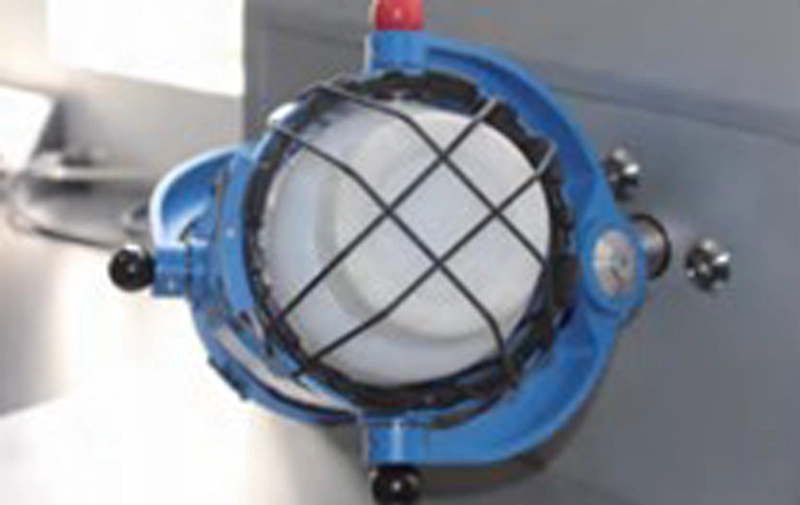
The working principle of a Three-Dimensional Mixer revolves around its ability to move the mixing container in three simultaneous axes: horizontal, vertical, and rotational. This multi-directional movement generates a dynamic mixing process, causing the materials inside to continuously separate and recombine. The absence of fixed mixing blades minimizes material buildup and avoids dead zones, ensuring a consistent blend. The gentle mixing action is particularly advantageous for fragile or sensitive materials, preventing particle degradation while achieving uniformity.
Control Panel
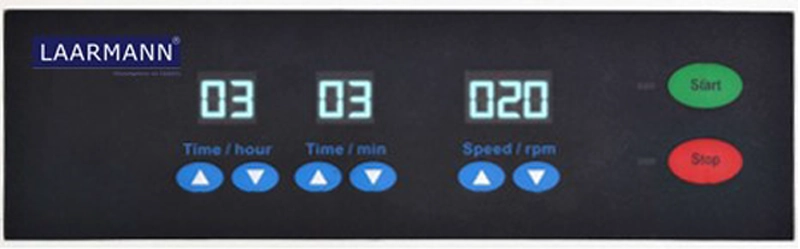
The control panel of a Three-Dimensional Mixer offers intuitive and precise control over the mixing process. It includes a digital interface for setting mixing time and rotational speed. This user-friendly design allows for easy operation ensuring optimal performance.
Safety Features
Three-dimensional mixers is equipped with safety features to protect operators and ensure safe operation. These doors that prevent access during operation and stop buttons for immediate shutdown.
LM-TM100 Tumble Mixer FAQ (Frequently Asked Questions)
Applications
Three-dimensional mixers have a wide range of applications across various industries. In the pharmaceutical sector, they are used for blending active pharmaceutical ingredients (APIs) with excipients to ensure uniform drug formulations. In the food industry, they mix ingredients for seasonings, powders, and additives. In chemical and material science, they are employed for homogenizing powders, pigments, and composite materials. Their ability to handle delicate materials with minimal degradation makes them indispensable in sectors requiring high-quality blending.