


LMBAT1000 Bond Abrasion Tester
The Bond abrasion tester is a specialized machine that measures the abrasion index and the friability of the material
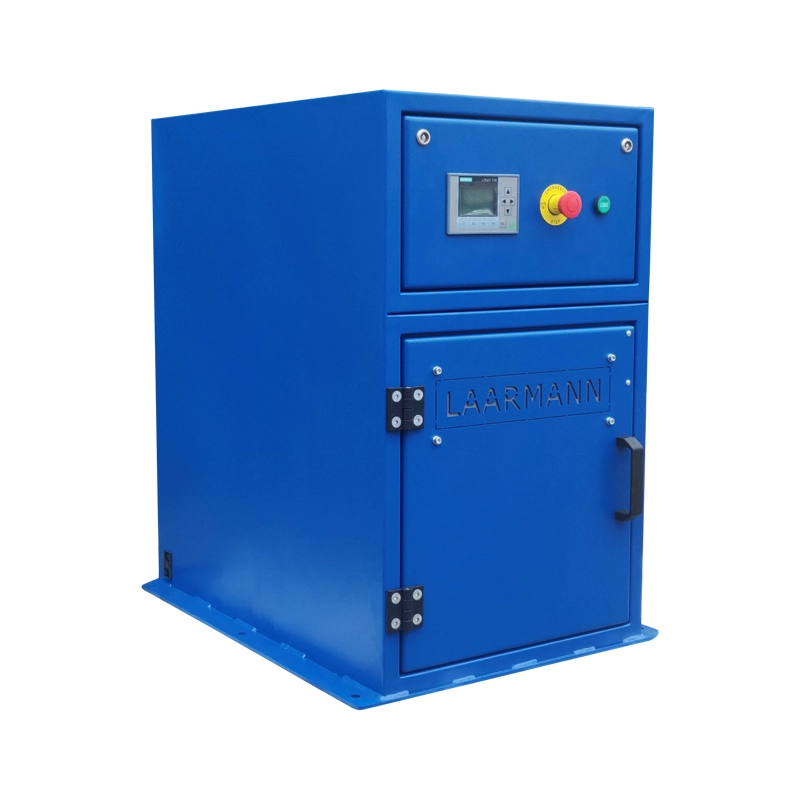
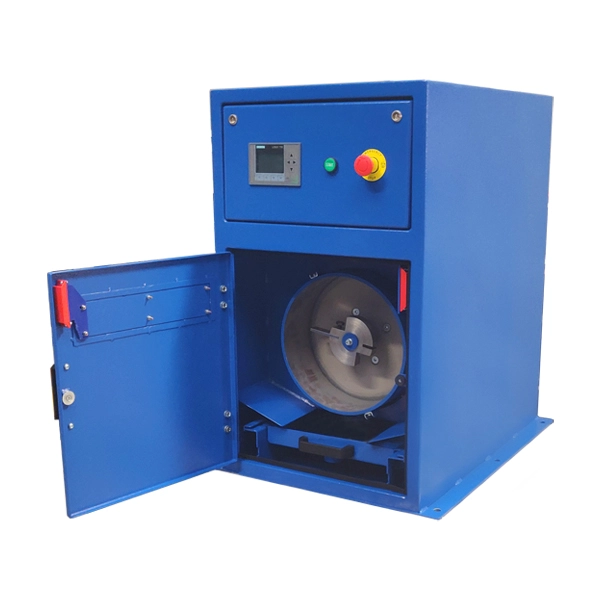
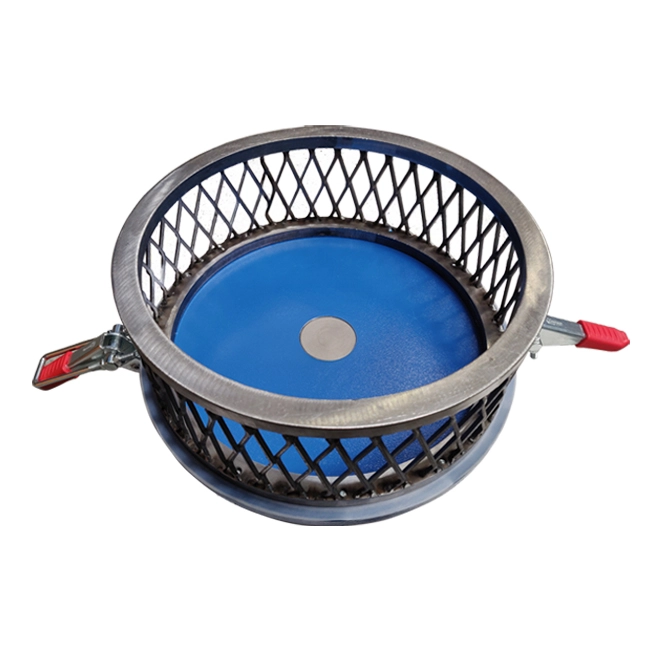
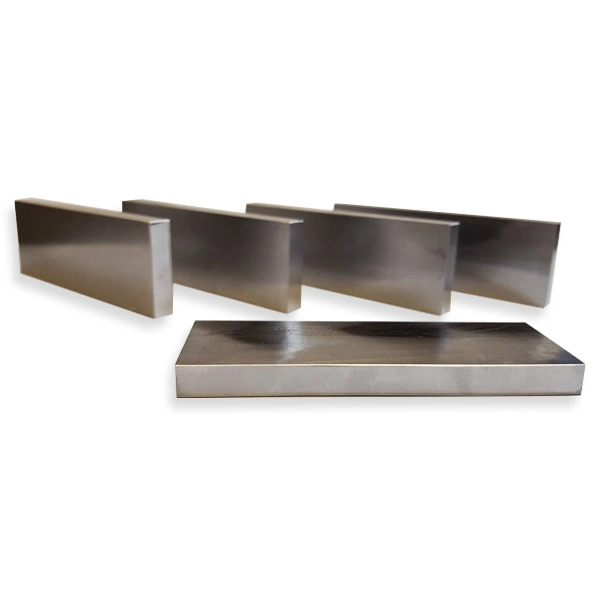
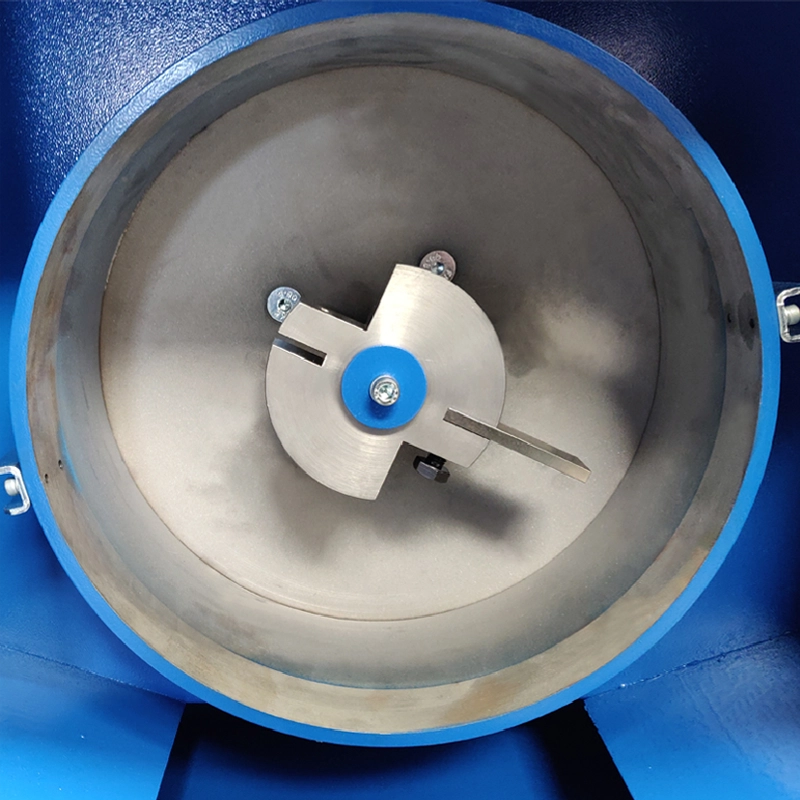
The Bond Abrasion Tester is a process and laboratory machine, which is designed to determine the abrasion index of a mineral sample to be determined in accordance with F.C. Bond's abrasion test method. The Bond Abrasion Tester utilizes an electrically driven drum and rotating abrasion paddle. The mineral sample is lifted by a mesh drum liner and dropped on to the steel paddle, which rotates in the same direction. The paddle is made to exacting standards of material and size and two square inches of this is exposed to wear. After running the test, the weight loss of the paddle is noted in grams, this represents the Abrasion Index (Ai) of the material
Features and Benefits
- Easy to operate and maintain
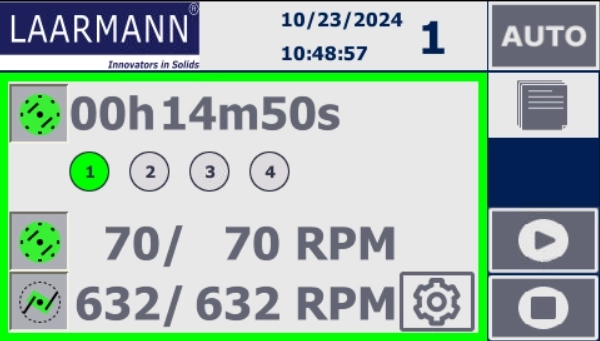
- Operated with a digital control panel
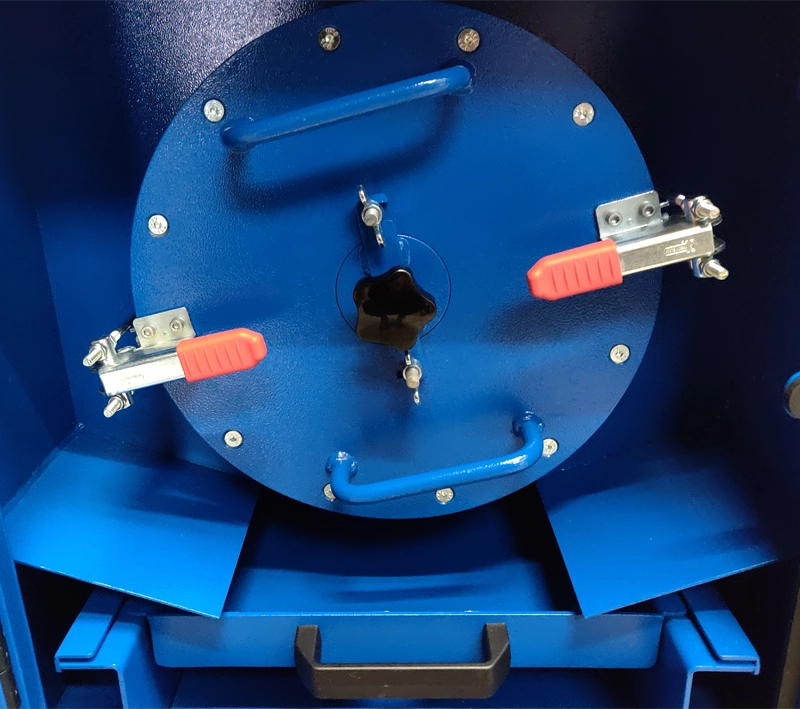
- Comes with Safety features such as door open and closing detection and an emergency break
- Testing according to the bond norm
- Removable mesh lifter and paddle
Technical Specifications
| Applications | Measure the resistance of materials to wear and tear when subjected to friction or rubbing. |
| Working principle | Determination of wear rates with rotating drum and impact on paddle |
| Feed size | 4 x 400 gram according to bond norm |
| Speed setting | Drum: 70rpm Paddle 632rpm |
| Time setting | 4 x 15 minutes according to bond norm |
| Setting adjustment method | Digital control panel |
| Max volume of grinding barrel | 5000ml |
| Electrical requirements | 3 kW |
| Power supply | 230 ? 10% - 50/60Hz |
| Power connection | 1 phase |
| Standard | CE |
| Weight | 250kg |
| Dimensions (width x length x height) | 900 x 700 x 1000 mm |
Bond abrasion tester working principle
A Bond Index Abrasion Test Machine is a specialized device used in the mining and mineral processing industries to measure the wear resistance (abrasiveness) of rock or mineral samples.
The test is crucial for understanding how abrasive an ore or material is, which is important for the design of grinding circuits and equipment selection.
The result of this test is known as the Bond Abrasion Index (Ai), which quantifies the abrasiveness of the material and helps in predicting the wear rate of mill liners and grinding media.
The machine is constructed from robust, high-durability materials to withstand the harsh conditions of abrasion testing. It consists of a rotating cylindrical drum and an abrasion steel paddle that creates friction against the sample.
Rotating Drum: A cylindrical drum rotates at a specified speed. The drum holds a set of metal paddles and is loaded with a specific amount of abrasive rock sample.
Abrasion Paddle: The paddle is made of steel and is mounted inside the drum. It serves as the wear surface, and its mass loss is measured to determine the abrasion index.
A sample of ore is prepared and placed in the rotating drum of the machine, along with the abrasion paddle.
The drum rotates, causing the ore sample to tumble and grind against the abrasion paddle. The friction and impact between the ore particles and the paddle result in the wearing down of the paddle.
After a fixed number of revolutions, the mass loss of the abrasion paddle is measured. The greater the mass loss, the more abrasive the ore sample is.
The Bond Abrasion Index (Ai) is then calculated based on the mass loss and other test parameters.
The ore sample is typically crushed to a standard size before testing.
The drum rotates at specifically 70rpm ensuring consistent results. The mass loss of the steel paddle is carefully measured to determine the wear rate.
Control Panel
The control panel of a Bond Index Abrasion Test Machine is designed for intuitive operation and precise control during abrasion testing.
It features a user-friendly interface with clear digital displays, allowing operators to monitor key parameters such as test duration, rotational speed, and power consumption in real time.
The control panel includes start, stop, and emergency stop buttons for enhanced safety.
This streamlined control system ensures consistent, accurate results when determining the abrasion resistance of materials, essential for quality control in industries like mining and mineral processing.
Bond Abrasion Tester FAQ (Frequently Asked Questions)
Applications
- Testing the wear resistance of paints, coatings, and finishes to determine how well they will hold up to friction, scraping, or abrasion in real-world environments (e.g., automotive finishes, flooring). Plastics and Polymers: Used to test how plastic materials (like those used in automotive parts, consumer goods, or medical devices) resist wear and tear.
- Evaluating the abrasion resistance of brake pads, tires, and other automotive components to ensure they can withstand the physical demands of the road. Testing the abrasion resistance of materials used in automotive interiors to predict how they will hold up to wear over time.
- Abrasion testing is used to assess the durability of shoe soles and other materials, simulating conditions like walking or running to measure how long the material lasts before showing signs of wear.
- Used to test how fabrics and textiles resist abrasion, which is crucial for products like clothing, furniture upholstery, and even industrial protective gear. The test helps determine the expected lifespan of the material.
- Testing the wear resistance of various flooring materials such as tiles, carpets, and hardwood flooring to predict how they will perform under heavy foot traffic or in harsh environments. For assessing the durability of concrete and other construction materials under conditions that might cause surface degradation.
- Testing the abrasion resistance of touchscreen surfaces, smartphone screens, and other electronic devices that might be subject to frequent handling. Ensuring the durability of plastic or metal casings for devices that may face constant use or wear.
- Testing the abrasion resistance of parts used in heavy machinery, such as conveyor belts, crushers, and grinding equipment, to assess how they will hold up in harsh mining environments. Used to assess the performance of tools, parts, and components that are subjected to extreme wear conditions in industries like manufacturing and heavy machinery.
- Testing materials used in aircraft for resistance to abrasion in high-wear areas, such as landing gear, wing edges, or other components exposed to environmental wear.
- Used to test how well packaging materials (like films, labels, or boxes) hold up to friction, handling, and transport, ensuring they won't easily degrade or tear.
Visit our Applications page for our database of specific applications