


LMMG100 Mortar Grinder
Universal, high performance Mortar Grinder for processing of solid materials in dry, wet or cryogenic condition
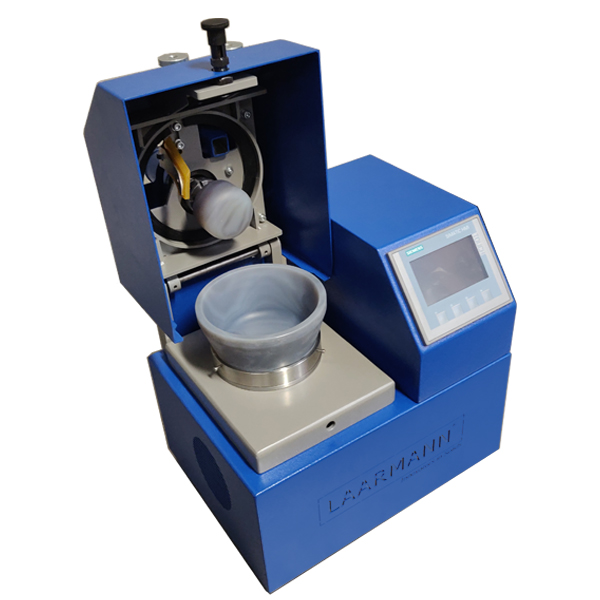
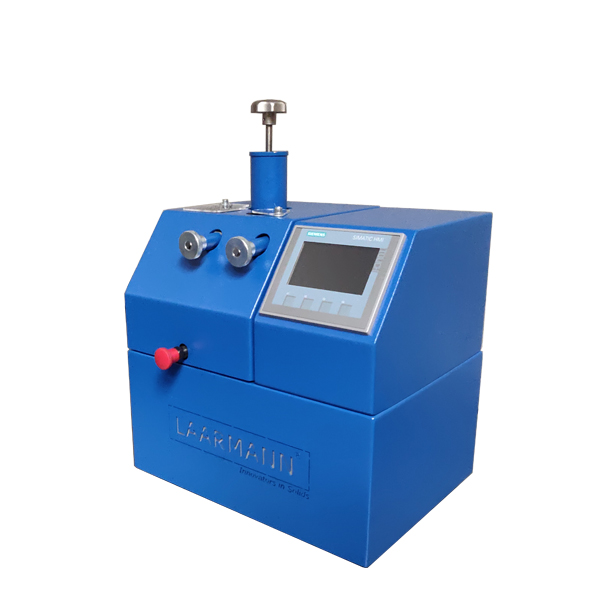
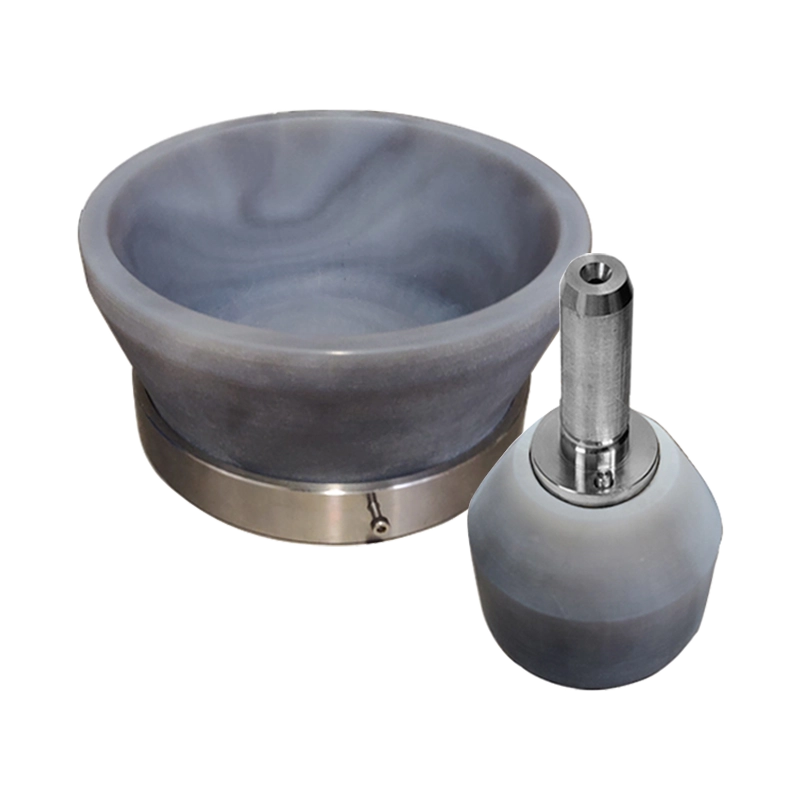
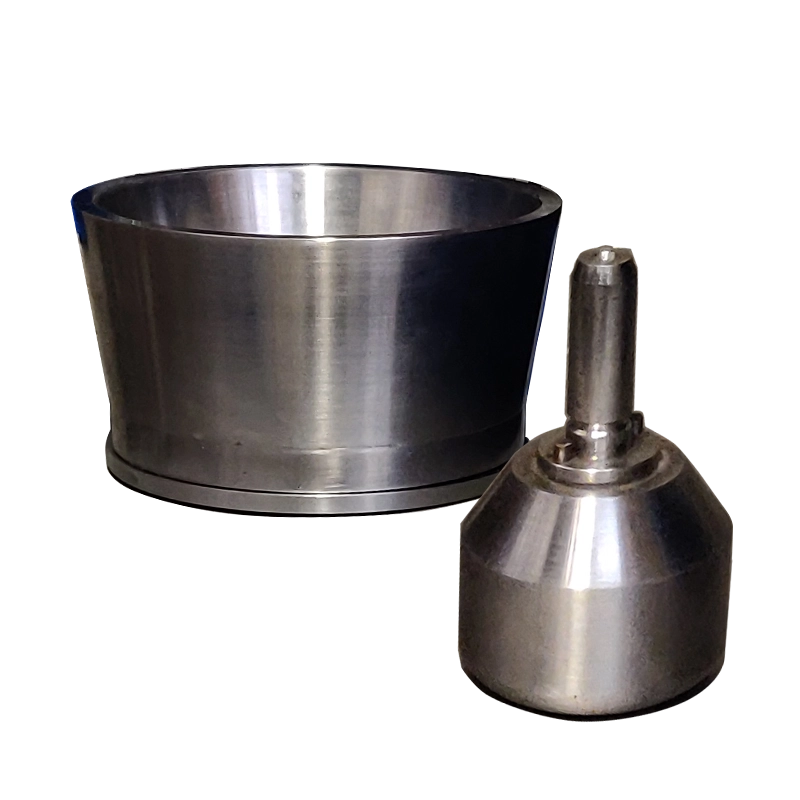
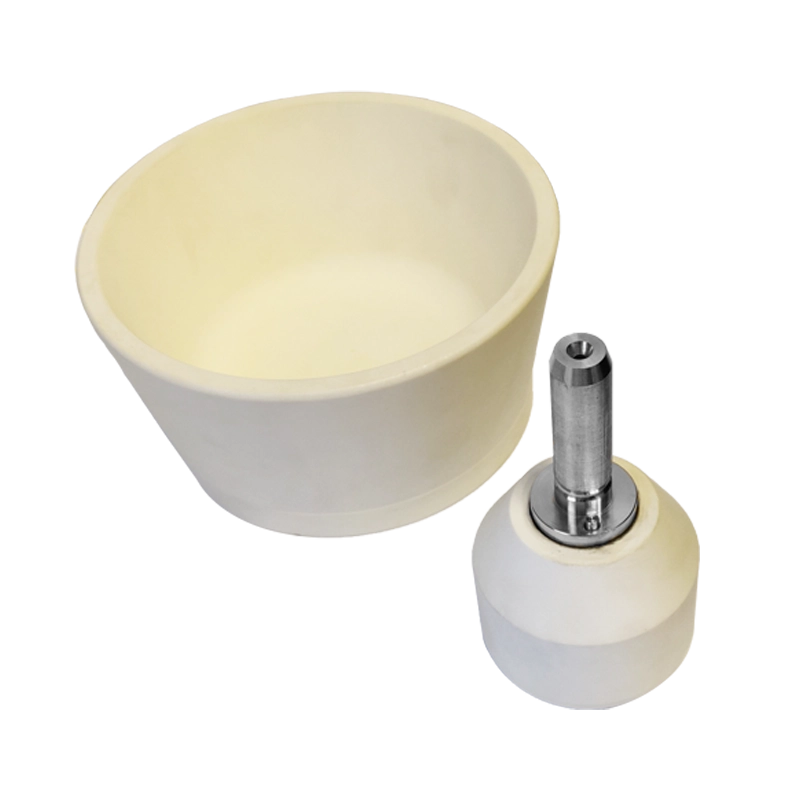
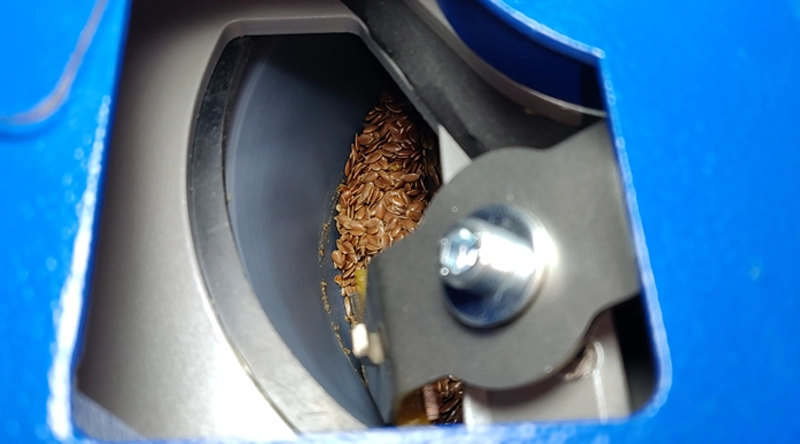
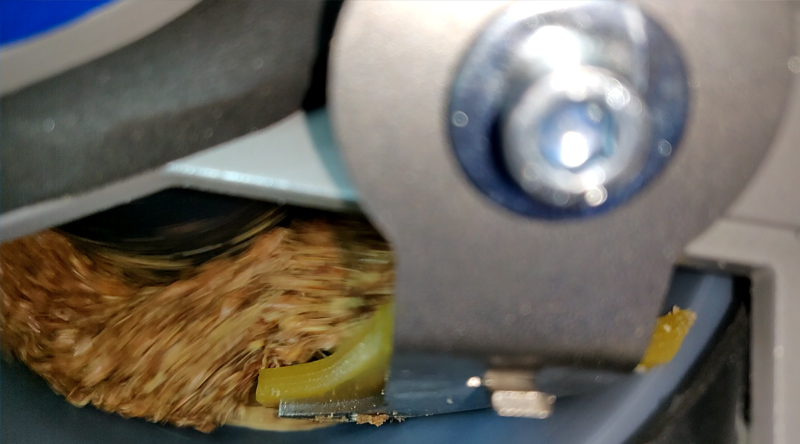
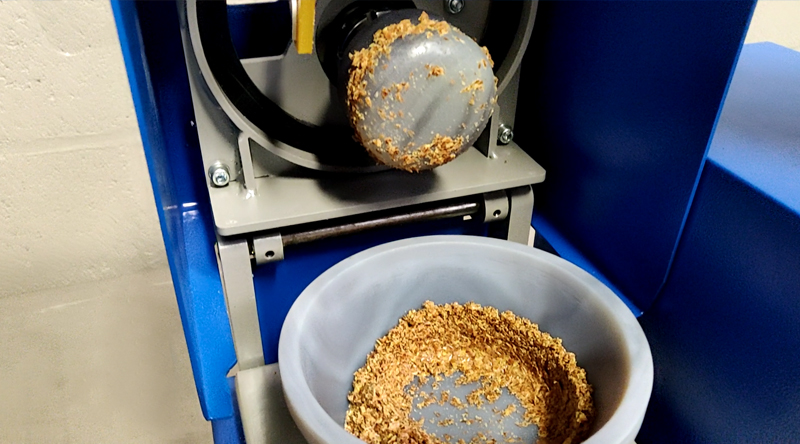
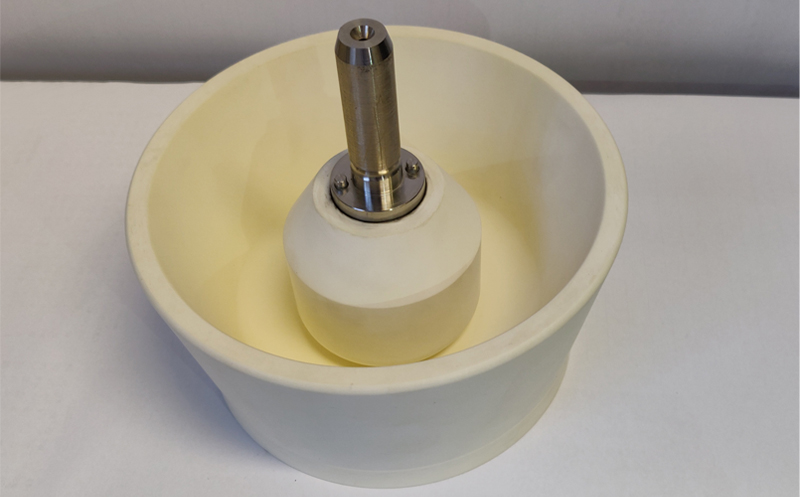
The Mortar Grinder Model MG100 is used to reproducibly grind, homogenize and mix a wide range of solid materials in dry / wet or cryogenic condition. The material to be processed falls into the Pulverizing area between Mortar and Pestle by top feeding via the opening which is at the inlet cover. The material is then pulverized and mixed between the Mortar inner surface area and the bottom of the pestle.
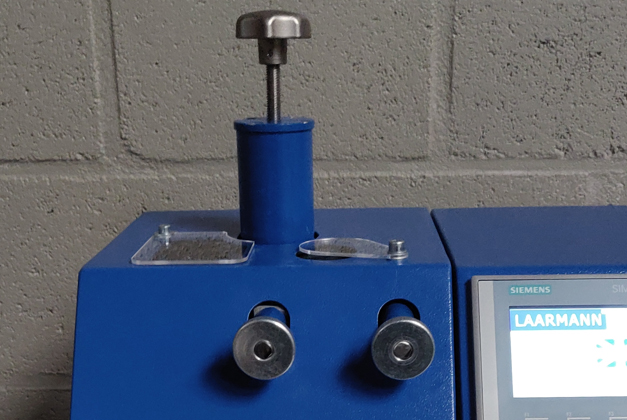
In order to match the necessary top pressure with the requested end fineness and the breaking behaviour of the sample to be prepared the MG100 is equipped with and adjustable Top Pressure Mechanism with scale and a variable speed setting 50-130 rpm and a flexible scraper setting.
Only due to the combination of this 3 key adjustment features a wide range of sample preparation tasks can be reached.
No other grinding system is more easy to clean then the MG100 Mortar Grinder.
When the grinding process is finished the Mortar and Pestle can be taken out with a bayonet lock in order to perform a quick cleaning of the grinding tools.
Features and Benefits
- Adjustable speed: 50-130 rpm
- Easy cleaning: mortar and pestle can be removed quickly
- Add sample material during the milling process via cover inlet
- Move scraper and pestle during operation
- User friendly control panel
- Optimal usage Dry Grinding / Wet Grinding / Ultra Fine Grinding / Cryogenic Grinding and Mixing
- Suitable for Cell disruption for DNA / RNA extraction
- Batch volume from 10 up to 200 ml
Technical Specifications
| Application | Dry Grinding. Wet Grinding, Ultra Fine Grinding, Cryogenic Grinding and Mixing |
| Working principle | Pressure and Friction |
| Feed size maximum | 8-10 mm depending on sample |
| Quantity maximum | 200 ml |
| Endfineness maximum | 10 - 20 μm* |
| Speed | 50 - 130 rpm adjustable |
| Grinding time setting | 1 - 99 min. / continous |
| Pestle adjustment | by adjustment wheel |
| Pressure setting | by scale adjustable |
| Scraper adjustment | by adjustment wheel |
| Mortar and pestle material | Agate, Stainless steel, Zirconium others on request |
| Electrical requirements / Motor power | 0,2 kW |
| Power supply | 100-120 / 200-240 Volt 50/60 Hz |
| Power connection | 1 phase |
| Standard | CE |
| Protection code | IP40 |
| Weight | 53kg |
| Dimensions W x D x H | 700 x 750 x 700 mm |
Mortar Grinder working principle
The usage of a Mortar Grinder is based on friction and pressure. A motorized pestle rotates within a stationary mortar bowl, exerting a grinding force on the sample. The material is placed in the mortar, and as the pestle rotates, it crushes, grinds, and mixes the sample into a fine powder. The process can be controlled by adjusting the speed and pressure, allowing for efficient processing of both soft and hard materials. This design ensures uniform particle size distribution, minimizing sample loss and contamination, making it ideal for applications requiring high reproducibility.
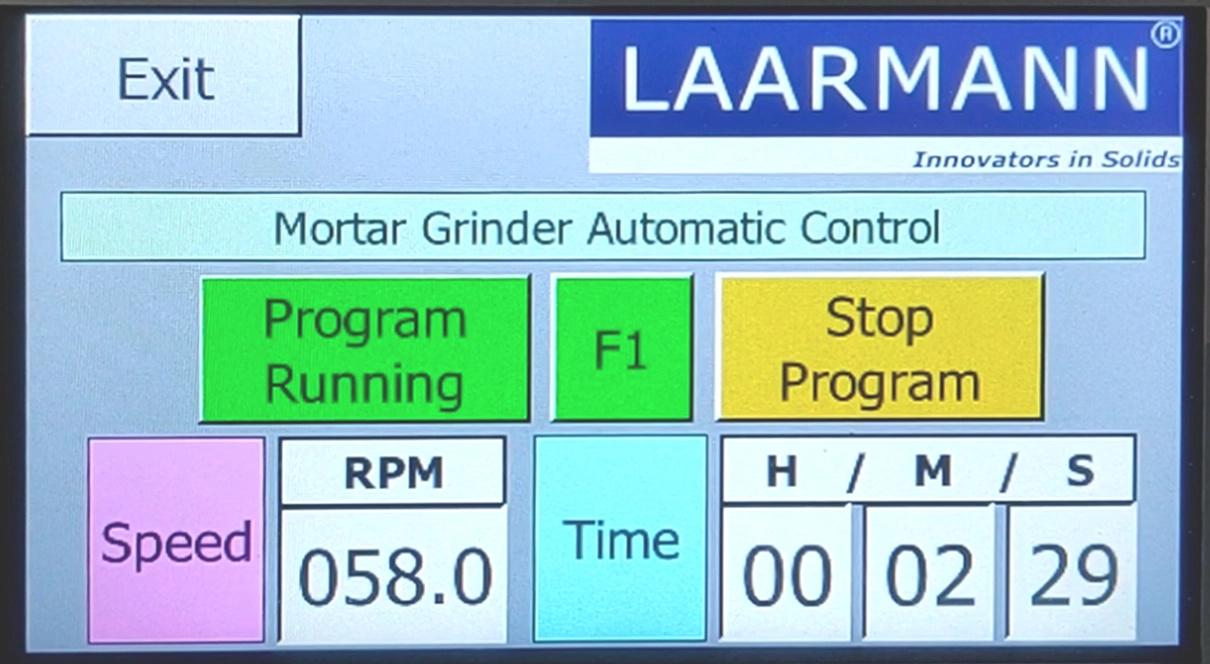
Control Panel
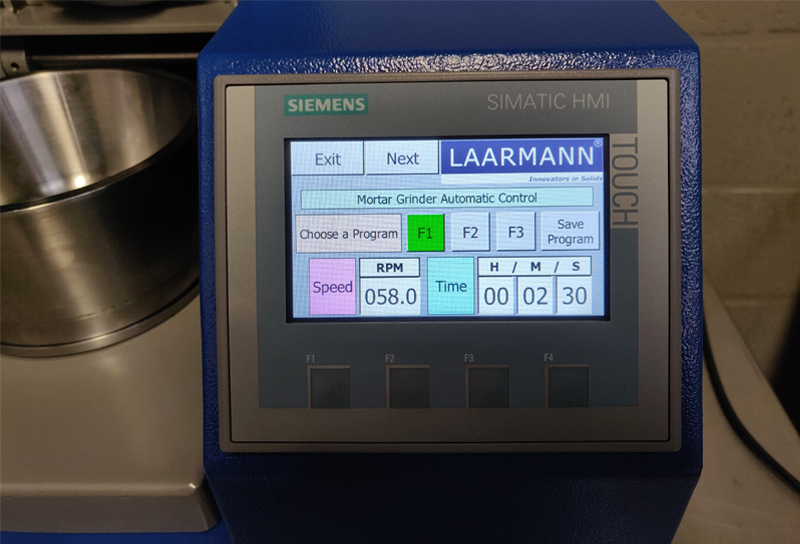
The control panel of a Mortar Grinder is designed for ease of use and precision control. It typically includes an intuitive digital display for setting parameters such as grinding time, pestle pressure, and rotational speed. The panel may also feature start, stop, and pause functions, allowing users to adjust settings during operation for optimized results. Advanced models include programmable memory settings, enabling operators to store and recall predefined grinding protocols for repeatable experiments. This streamlined interface ensures user-friendly operation, making it accessible even for less experienced laboratory personnel.
Safety Feautures
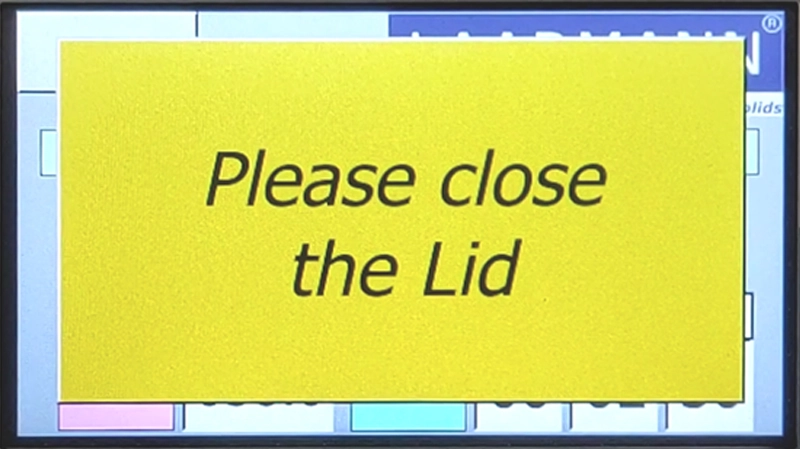
To ensure safe operation, Mortar Grinders are equipped with several safety features. These include an automatic shut-off mechanism if the lid is opened during operation, protecting users from potential injury. Overload protection is integrated to prevent motor damage in case of excessive sample load. Additionally, the machine is often fitted with non-slip feet for stable operation and reduced vibration, along with protective covers to minimize dust emission. These safety measures help maintain a secure working environment, especially in high-volume or continuous-use settings.
Mortar Grinder FAQ (Frequently Asked Questions)
Applications
Mortar grinders are versatile and find applications in various fields. They are used for sample preparation in chemistry for analytical techniques, in pharmaceutical research for drug formulation, and in materials science for preparing samples for analysis.