

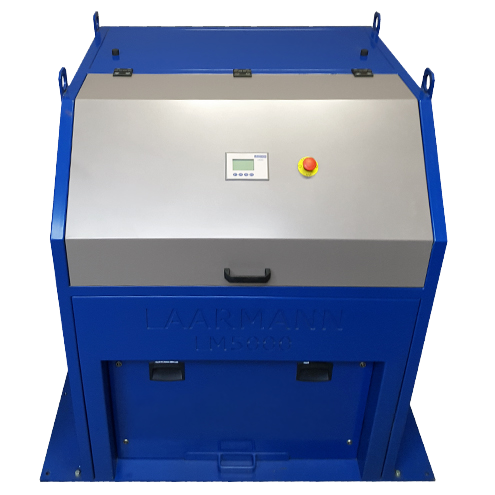
LM5000 Pulveriser Ring Mill
The LM5000 is a laboratory machine, which is suitable for pulverizing and homogenizing hard and brittle materials in the dry and wet state.
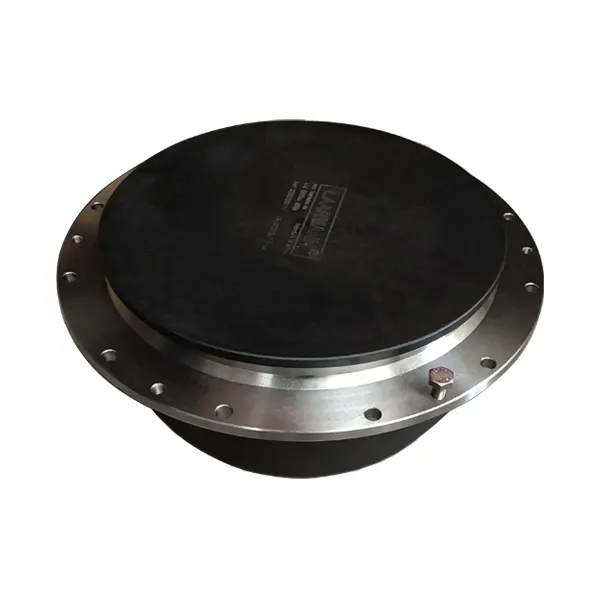
A ring mill is a laboratory grinding device designed to pulverize samples for analysis. It is widely used in geological, metallurgical, chemical, and other laboratories for sample preparation prior to various analytical techniques The closed milling pulverizing system guarantees complete recovery of the samples. Final fineness of down to 75 ?m can be achieved, depending on the milling time and the specific properties of the sample material. The optimum filling of a LM2000 is around 1-1.3 Liters of sample material.
Features and Benefits
- Digital control by touch screen
- High volume 5000cc bowls
- End fineness down to 75 micron (µm)
- Standard chrome steel and standard steel bowls and discs other materials on request
- Optional lifting device for the operator
Technical Specifications
| Applications | ultra-fine grinding of hard, brittle, and abrasive materials, providing samples for analysis in mining, metallurgy, and geochemistry laboratories |
| Working principle | Friction |
| Feed size* | < 25 mm |
| End fineness* | < 75 ?m |
| Throughput | 20-5000cc (cm³) |
| Speed setting | Up to 1450 rpm |
| Setting adjustment method | digital control panel |
| Consumable material | standard steel, chrome steel, zirconium, tungsten carbide others on request |
| Consumable sizes | 3500ml bowls and 800cc (cm³) discs |
| Power supply | 400V ± 10% - 50/60Hz |
| Electrical requirements | 2,2 kW |
| Power connection | 3 phase |
| Dust extraction point | 1 |
| Standard | CE |
| Protection code | IP40 |
| Weight | 560kg |
| Dimensions (width x length x height) | 1400 x 730 x 1460 mm |
Pulveriser Ring Mill Working principle
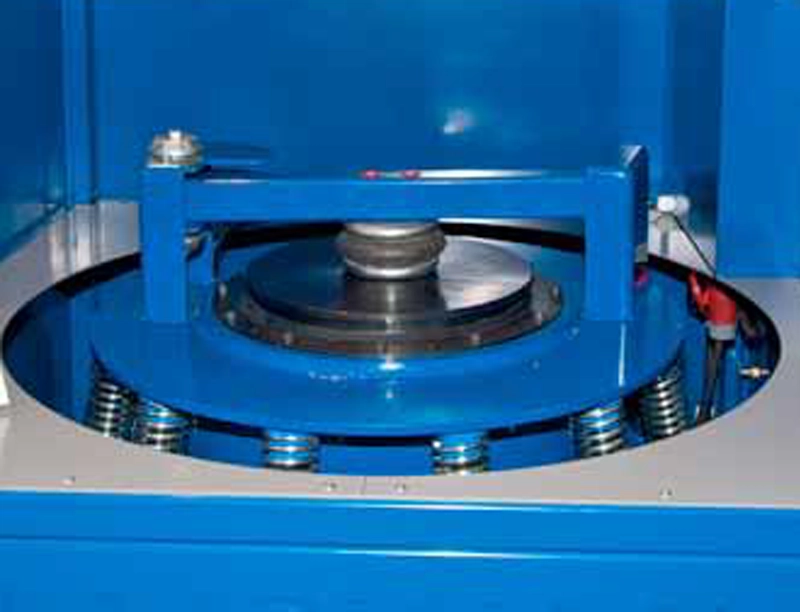
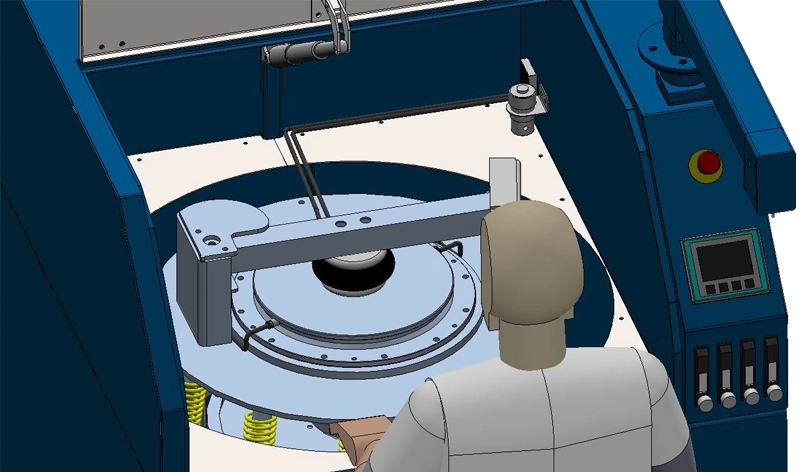
The core components of the LM5000 pulveriser ring mill are the bowl and disc. Both are made of durable materials such as tungsten carbide or hardened steel to withstand the grinding process.
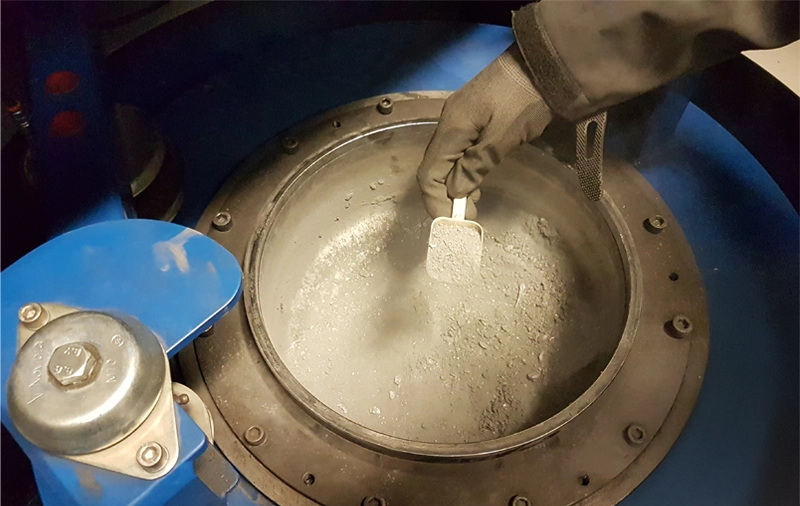
The sample, which can be in the form of rocks, minerals, ceramics, or other solid materials, is loaded into the bowl. The disc is then placed on top of the sample.
The grinding action occurs between the disk and the inside surface of the bowl. The ring mill is designed to move in a circular or oscillatory motion, causing the disc to rotate and grind the sample against the interior of the bowl.
A motorized drive system powers the movement of the ring and puck. This motor is controlled through a user interface that allows adjustments to the grinding parameters.
The purpose of a ring mill is size reduction. The sample undergoes grinding and crushing between the disk and bowl, resulting in a finely ground powder.
This powdered sample is often used for subsequent analytical techniques such as X-ray fluorescence (XRF), X-ray diffraction (XRD), or other elemental and mineralogical analyses.
In some applications where sample heating needs to be minimized, ring mills may offer cooling options. This could involve the use of liquid nitrogen or other cooling agents.
The LM2000 ring mills comes equipped with a digital control panel. These features allow users to precisely control parameters such as grinding time, rotational speed, contributing to reproducibility in experiments.
Safety features are included, such as protective covers or enclosures to prevent contact with moving parts and automatic shut-off mechanisms.
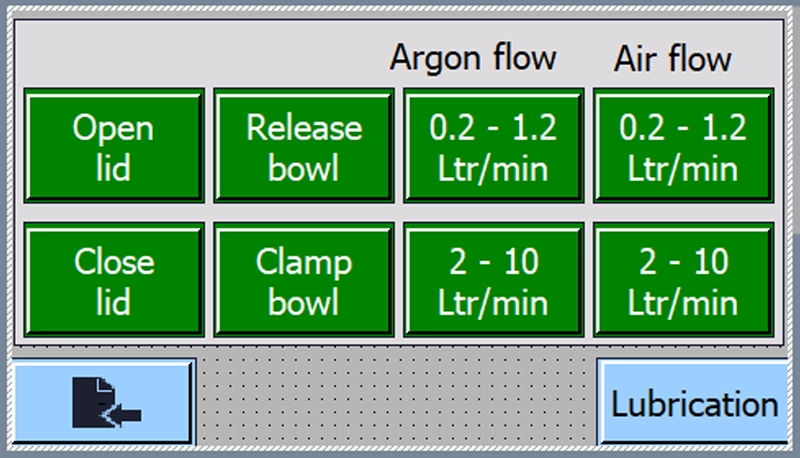
Argon Feature
For some application with specific materials we can implement an option to apply Argon for safety and be enable the sampling flameable materials. Argon is an inert gas, meaning it does not readily react with other substances. It is used in machines to create an inert atmosphere, which is essential for certain processes. For example, in heat treatment processes like annealing, where controlled heating and cooling of materials are required, argon is used to prevent oxidation and maintain a stable environment.
LM2000 Pulveriser Ring Mill FAQ (Frequently Asked Questions)
Applications
Visit our Applications page for our database of specific applications
