


LMC100D Jaw Crusher
Superior Jaw Crusher engineered for rapid reduction of hard and brittle materials.
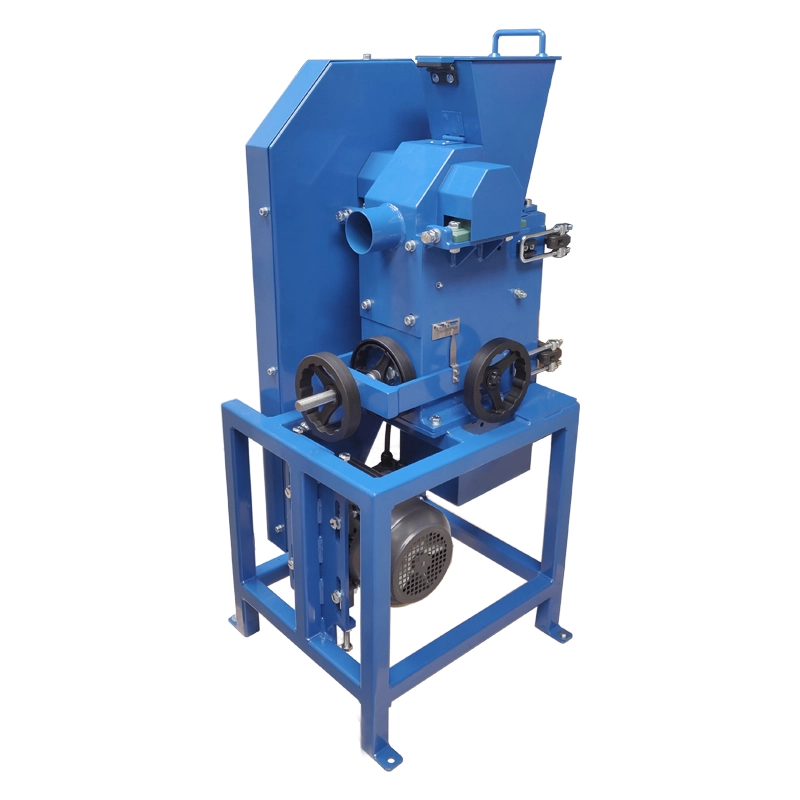
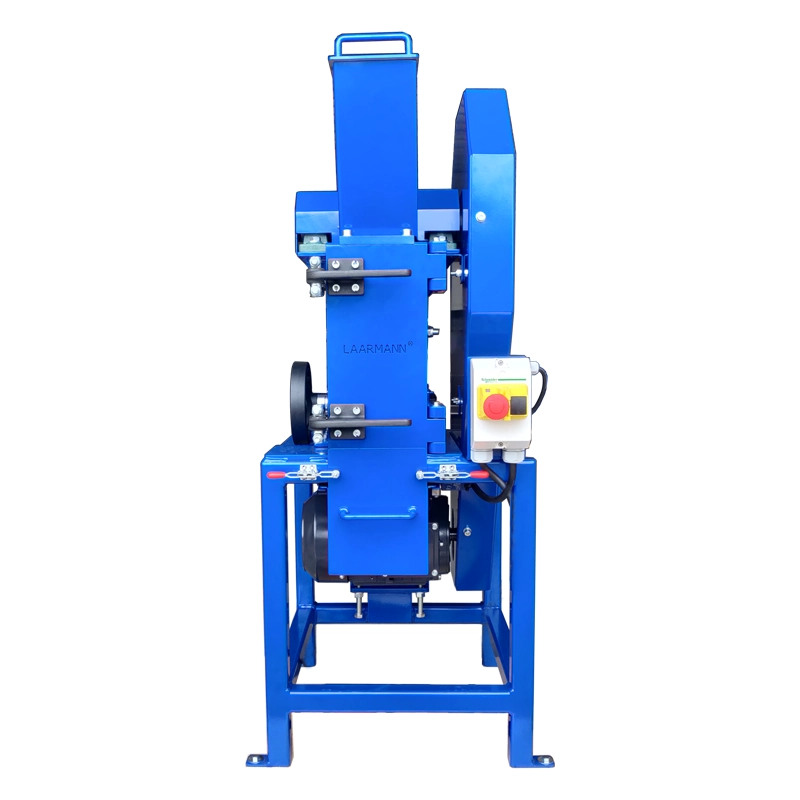
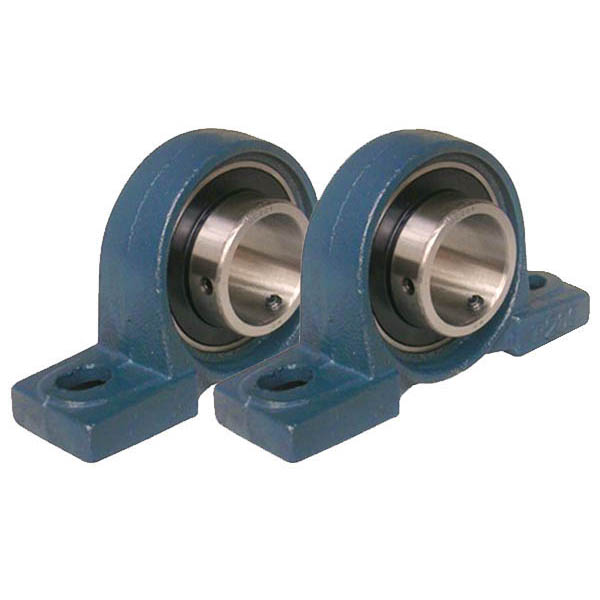
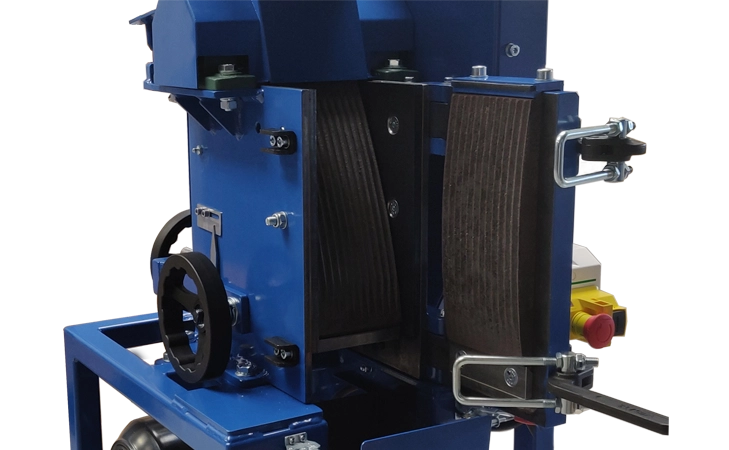
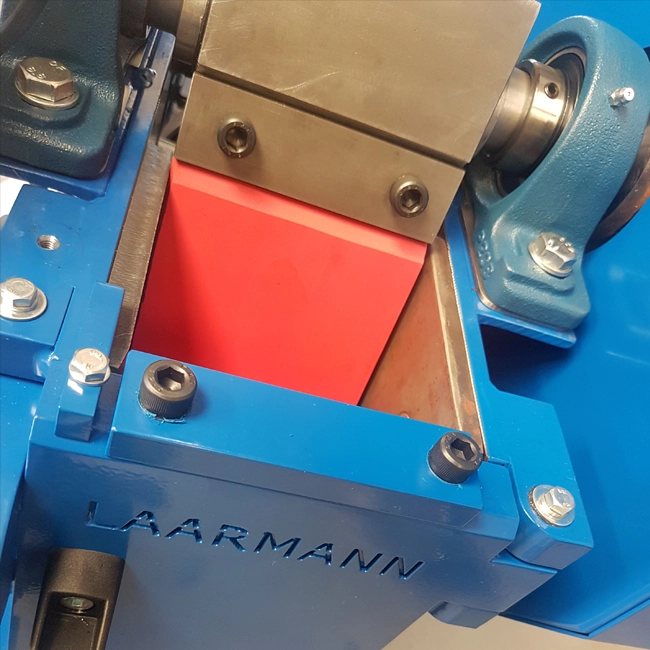
The LAARMANN LMC100D Jaw Crusher is a robustly constructed single-toggle type with one fixed jaw plate and one moving jaw plate. Designed for the smaller laboratory, or use by prospectors. It is capable of quickly crushing materials up to 85% of the jaw opening (130 mm x 100 mm). It is robust and long wearing and made of parts and materials easily serviced in a remote area. Toggle adjustment is by means of jacking screw. The crusher is supplied as a free standing floor mounted unit with the motor to the rear of the main body. Comes complete with dust extraction point (from the top of the machine), hinged inlet hopper and removable sample bucket.
Features and Benefits
- Quick and easy to clean due to front door access
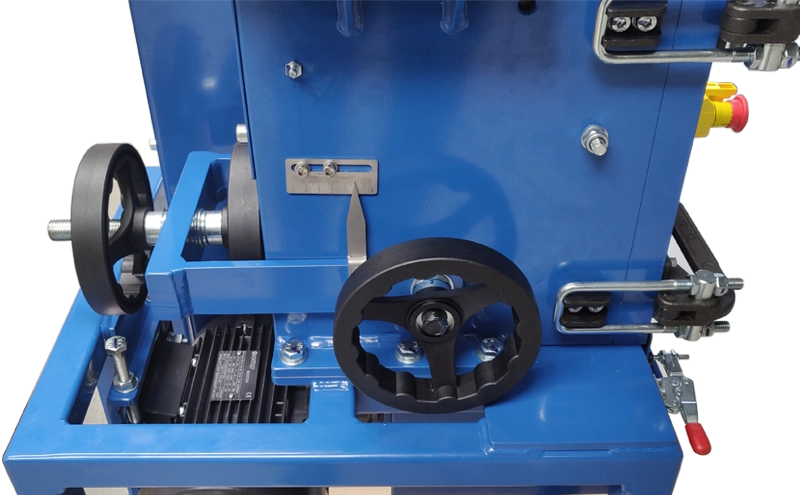
- Stepless, reproducible gap-setting by hand-wheel
- Easy exchange of jaw plates and side liners
- Various infeed hoppers: removable, with safety guard, batch loader and metering
- External control by Start/Stop
- Endfineness: 2 mm
- Contamination-free crushing because of different grinding tools
- Custom collector options available
Technical Specifications
| Applications | Pre-crushing of hard and brittle materials |
| Application fields | Mining & quarrying, Recycling, Construction materials, Geology & metallurgy, Glass & ceramics, Chemistry & plastics, Environmental analysis, Engineering & electronics, Building materials, Research & laboratories |
| Working principle | Crushing with moving plate |
| Feed size | 115 x 90 mm |
| Jaw Inlet | 130 x 100 mm |
| Gap setting | 0 - 5 mm |
| End fineness | < 2 mm* |
| Throughput | 250 kg/h* |
| Speed setting | 325rpm |
| Setting adjustment method | external start and stop button |
| Jaw plates and side liners material | manganese steel, tungsten carbide, hardened steel, heavy metal free steel and stainless steel (others on request) |
| Collector volume | 10 litre (other volumes on request) |
| Electrical requirements | 3 kW |
| Power supply | 400V ± 10% - 50/60Hz |
| Power connection | 3 phase |
| Dust extraction point | 1 |
| Standard | CE |
| Protection code | IP40 |
| Weight | 250kg |
| Dimensions (width x length x height) | 640 x 520 x 1200 mm |
Working principle
A jaw crusher is a primary crushing machine used in various industries such as mining, quarrying, and construction. It works on the principle of compression, where the material is crushed between a fixed jaw and a movable jaw.
The material to be crushed is fed into the top of the crusher chamber. As the movable jaw moves towards the fixed jaw, the material is crushed between the two jaws. The crushing action occurs when the material is squeezed and compressed between the jaws.
The crushed material is discharged through the bottom of the crusher chamber, where it can be further processed or collected.
Our jaw crushers are equipped with an adjustment mechanism that allows the setting of the gap between the jaws to be adjusted to control the size of the crushed material.
Contamination-free crushing
Contamination-free crushing with a jaw crusher refers to the process of crushing materials in such a way that ensures minimal contamination from external sources. This is particularly important in industries such as pharmaceuticals, food processing, and environmental analysis, where sample purity is critical.
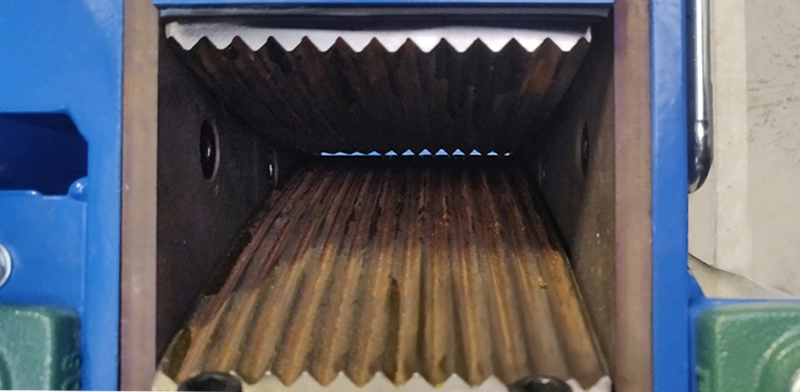
In a contamination-free design, the jaw plates are typically made of materials that are chemically inert and resistant to abrasion, such as stainless steel, tungsten carbide, zirconia or different types of materials this is depending on the sample that is being processed. These materials ensure that no contaminants are introduced into the crushed material during the crushing process.
Contamination-free jaw crushers are designed for easy cleaning and maintenance to ensure that no residual material or contaminants are left behind after each crushing operation. Removable components and access doors facilitate thorough cleaning of the crushing chamber and all contact surfaces.
By incorporating jaw plates and side liners made of chemically inert and abrasion-resistant materials, contamination-free jaw crushers offer a reliable and efficient solution for achieving contamination-free crushing in sensitive applications.
Accessories and consumables
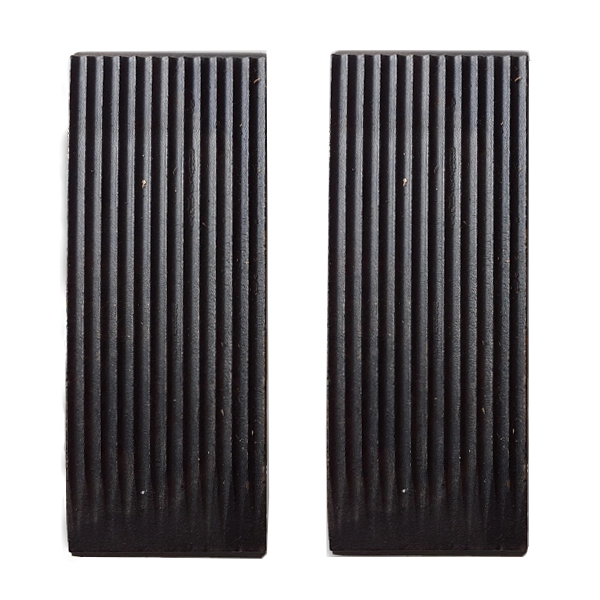
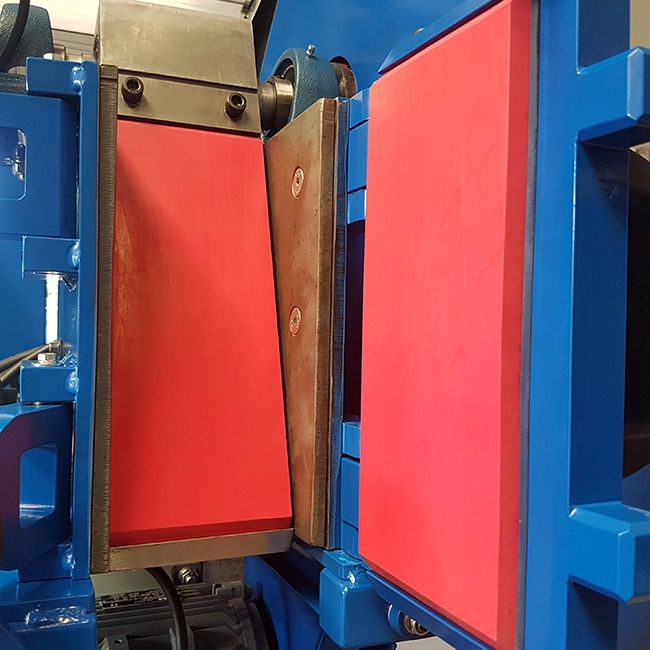
Jaw Plates
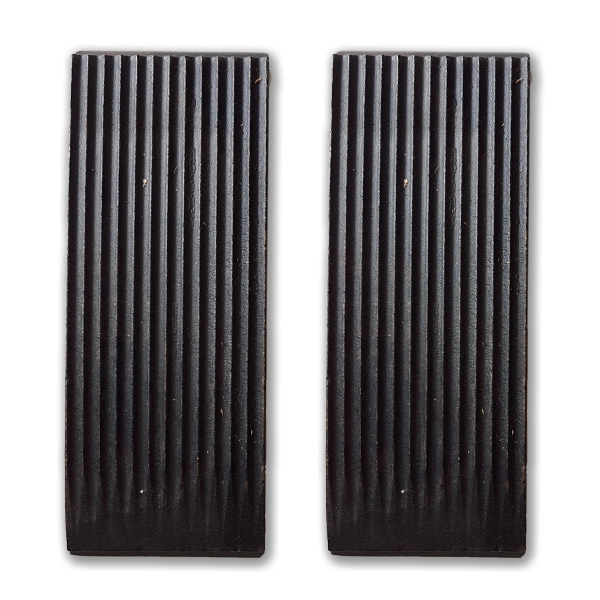
Jaw plates are the main crushing surfaces in a jaw crusher. They are fixed to the frame of the crusher and form the crushing chamber along with the movable jaw.
Jaw plates come in pairs, with one fixed jaw plate and one movable jaw plate. The material to be crushed is fed between the two jaw plates and crushed as the movable jaw moves towards the fixed jaw.
Jaw plates are typically made of high manganese steel or other wear-resistant materials to withstand the high impact and abrasion encountered during crushing operations.
They are designed to be easily replaceable when worn out.
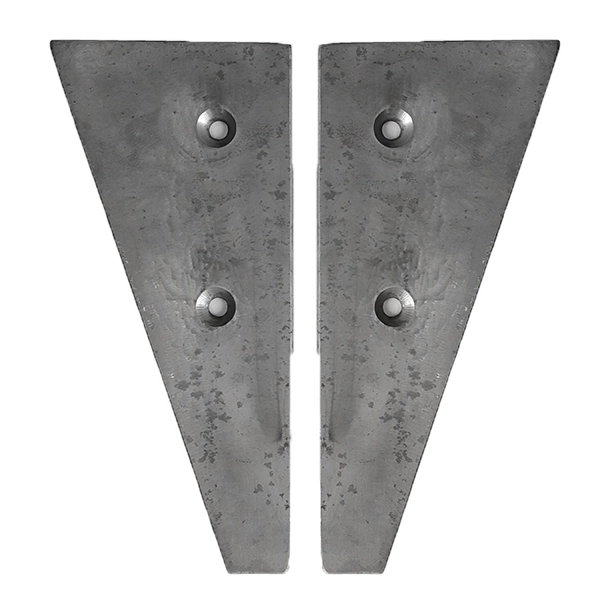
Side Liners:
Side liners are protective components installed on the sides of the crushing chamber in a jaw crusher. They help to protect the crusher frame and provide additional wear protection for the jaw plates. Side liners are typically made of wear-resistant materials such as manganese steel, chromium steel, or composite materials. Side liners can be bolted or welded to the crusher frame, depending on the design of the crusher. They are designed to be easily replaceable when worn out to prolong the service life of the crusher.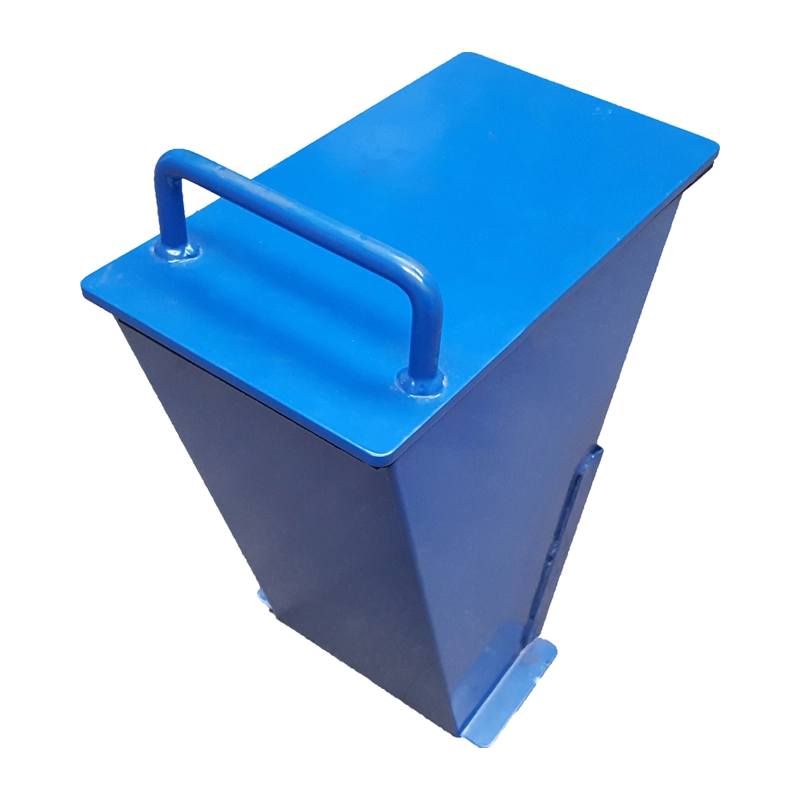
Infeed Hopper:
The infeed hopper is a funnel-shaped container located at the top of the jaw crusher, where the material to be crushed is fed into the crushing chamber. The infeed hopper directs the material into the crushing chamber and helps to regulate the flow of material into the crusher. Infeed hoppers are typically equipped with a grizzly or a vibrating feeder to remove oversize material and prevent it from entering the crusher. They may also feature a level sensor or indicator to monitor the level of material in the hopper and prevent overloading of the crusher.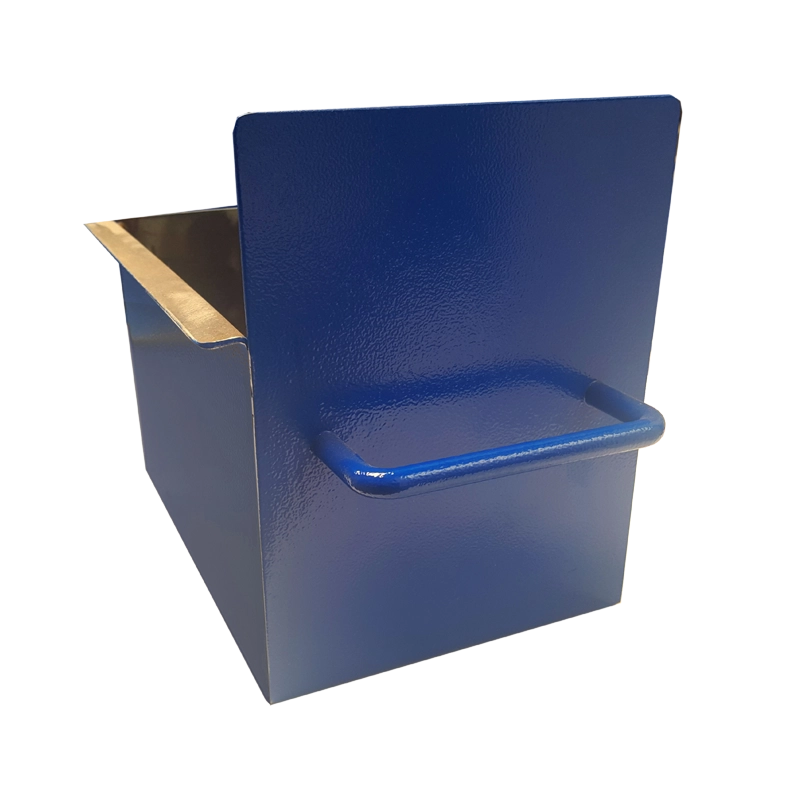
Collector:
The collector, also known as the discharge chute or discharge conveyor, is located at the bottom of the jaw crusher and collects the crushed material as it exits the crushing chamber. The collector directs the crushed material onto a conveyor belt or into a stockpile for further processing or transport. Collectors are typically equipped with a wear-resistant lining to withstand the impact and abrasion of the crushed material. They may also feature adjustable discharge openings or skirts to control the flow of material and prevent spillage.
Proper maintenance and replacement of wear parts such as jaw plates and side liners are essential to maximize the performance and longevity of the crusher.
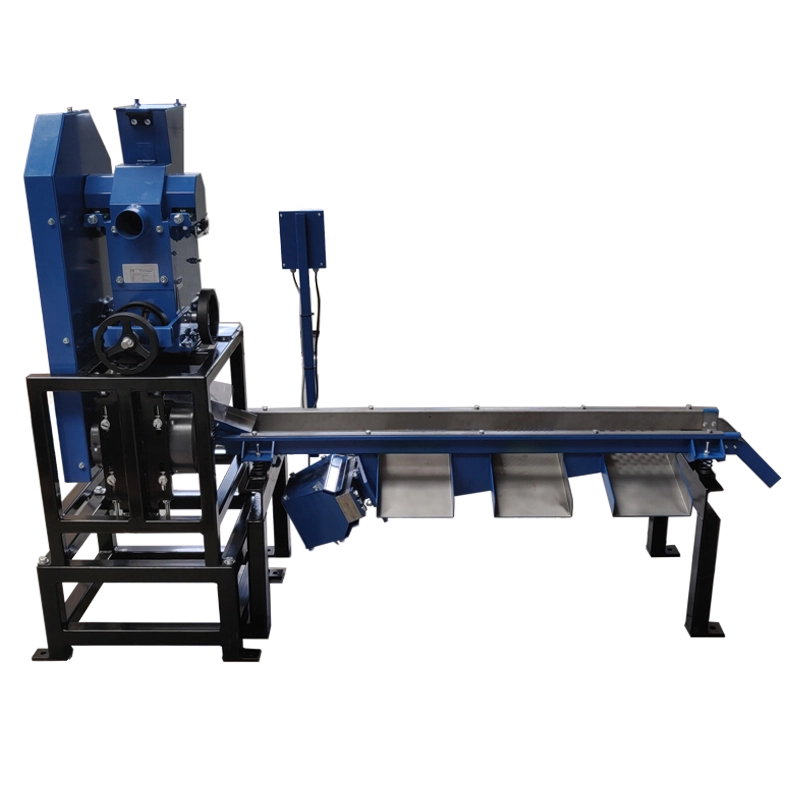
Jaw Crusher LMC100D with vibratory feeder and Sieving street
The LMC100D jaw crusher can be coupled with a vibratory feeder and a linear sieving street, creating a complete system for uninterrupted and automated sample preparation process.
Feeding the material into the LMC100D is uniform due to the vibratory feeder ensuring consistent feed rate, and preventing bridging and/or overfeeding.
Material reduction occurs in terms of predetermined grain sizes within the jaw crusher and the material is then moved onto the sieving street; a linear vibrating screen that performs the sizing of the material in one pass only.
Larger fractions are then discharged out of the sieve outlet and returned for crushing again, or rejected; while the right sized material passes through the sieve and is collected for further processing or testing.
Benefits:
- No interruptions between feed and screening; continuous process
- Consistent size fractions for accurate analyses downstream
- Capable of handling rocks, ores, minerals, aggregate, and other solids
- Compliance with automatic control systems
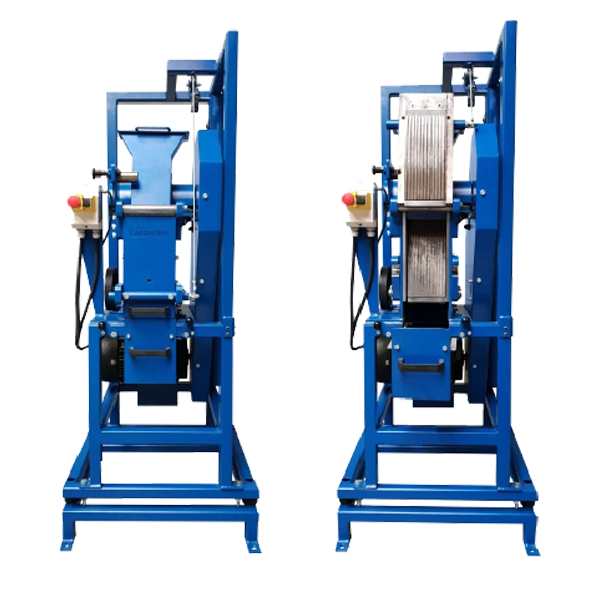
Jaw Crusher LMC100VD (vertical door)
A jaw crusher with vertical access to the jaw plates typically refers to a specific design feature where the jaws can be accessed vertically for maintenance or replacement purposes.
This design variation aims to simplify the maintenance process and improve accessibility to the jaw plates, which are critical components responsible for crushing the material.
In this design, the traditional horizontal access for accessing the jaw plates is modified to allow vertical access.
The vertical access to the jaw plates enables easier maintenance and replacement of the jaw plates when they become worn out.
Instead of accessing the jaws from the side or underneath the crusher, maintenance personnel can access them from above.
Safety features are incorporated to ensure safe access to the jaw plates. This includes safety locks or interlocks to prevent accidental opening while the crusher is in operation.
Vertical access to the jaw plates improves accessibility for maintenance tasks, reducing downtime and ensuring that maintenance procedures can be performed efficiently.
Rotary sample divider and jaw crusher combination
Combining a jaw crusher with a rotary sample divider creates an efficient set up for sample preparation in laboratories, particularly in fields such as mining, metallurgy, and geology.
laboratories can achieve high sample preparation efficiency with this set up.
The jaw crusher reduces the sample size to a suitable range for subsequent analysis, while the rotary sample divider ensures that the divided samples are representative of the original bulk material.
The combination of a jaw crusher and a rotary sample divider helps maintain consistency and accuracy in sample preparation.
This is essential for obtaining reliable analytical results in various laboratory applications.
Using a combination of a jaw crusher and a rotary sample divider can reduce handling time and streamline the sample preparation process.
Laboratories can process larger sample volumes more efficiently, saving time and resources.
The combination setup is versatile and can be used for various types of sample materials, including rocks, ores, minerals, and other solid materials.
This versatility makes it suitable for a wide range of laboratory applications.

LMC100 Jaw Crusher FAQ (Frequently Asked Questions)
Applications
Application Examples
Ores, alloys, basalt, cement, ceramics, quartz, chamotte, coke, construction materials, coal,feldspar, glass, granite, minerals, oxide ceramics, rocks, silicon, slag, and many more
Visit our Applications page for our database of specific applications