

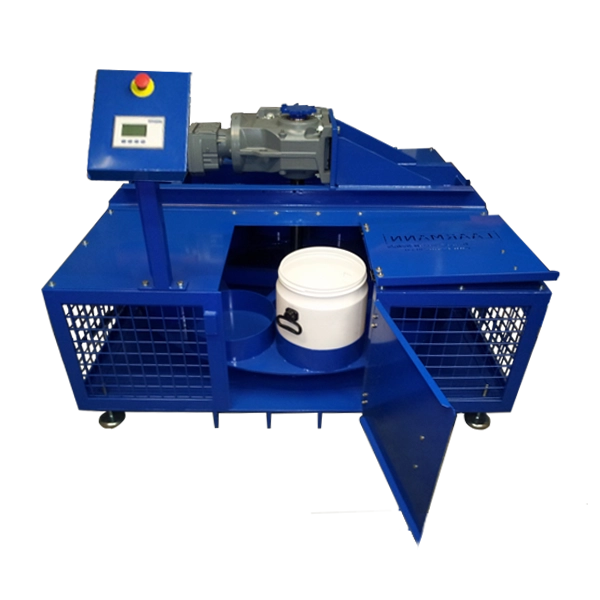
LMSC250 Sample Collector
high volume Sample Collector for obtaining a representatieve sample. Usually placed in sampling installations
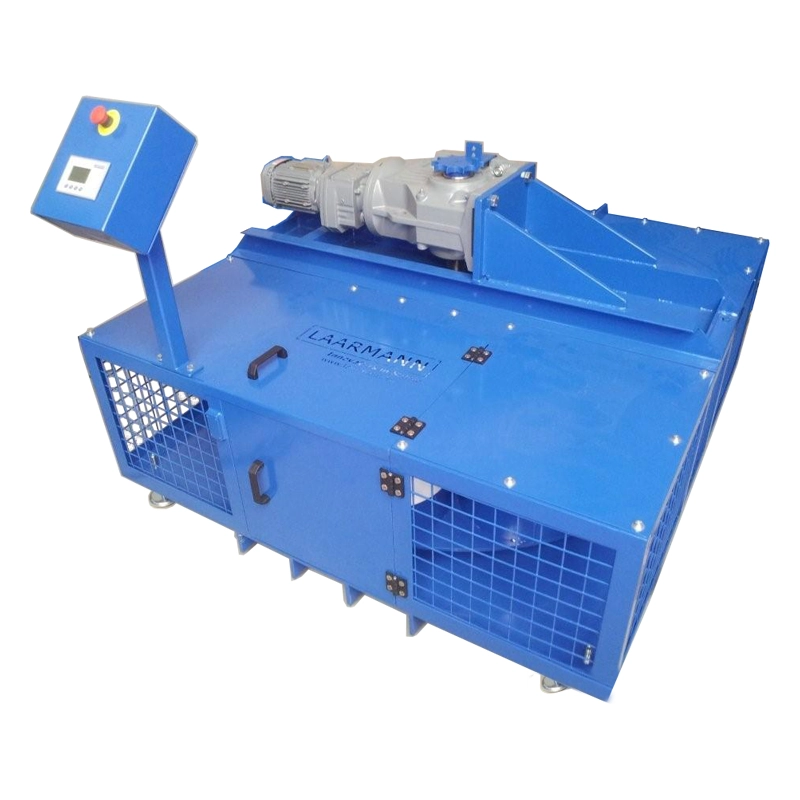
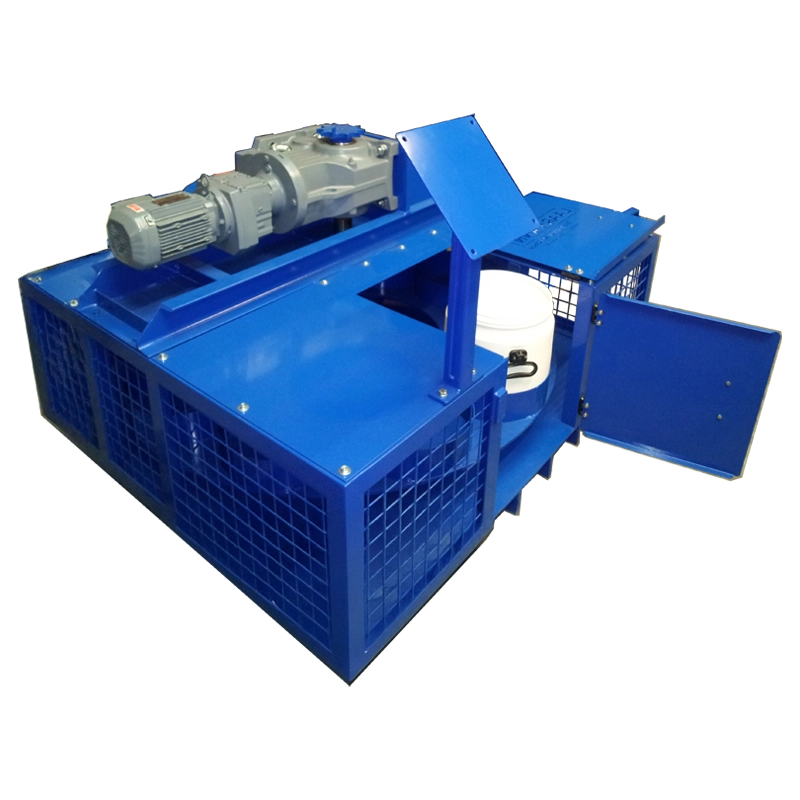

An indexing carousel for the automatic collection and secure storage of samples being generated by a continuous sampling system. The carousel carries a number of equal capacity containers that will collect and store unique or composite samples over an extended period. Often used in combination with a Vezin Sampler.
Features and Benefits
- Digital control panel
- High volume of samples
- Suitable for large sampling installations

Technical Specifications
| Applications | representative sample dividing for analysis in industries such as mining, agriculture, construction, and pharmaceuticals. |
| Working principle | Sample Collecting from stream in installations or other sample operations |
| Sample collector amount | 10 |
| Sample collector volume | 26L |
| Speed setting | 18-54 rpm |
| Setting adjustment | digital control panel |
| Power supply | 400V ± 10% - 50/60Hz |
| Electrical requirements | 3 kW |
| Power connection | 3 phase |
| Dust extraction point | 1 |
| Standard | CE |
| Weight | 400kg |
| Dimensions (width x length x height) | 1050 x 1050 x 1650 mm |
Sample collector working principle
A sample collector is a device or apparatus designed to collect representative samples of materials, substances, or environmental elements for analysis.
Sample collectors are used across various industries and fields, including mining, environmental science, agriculture, and pharmaceuticals.
The specific design and functionality of a sample collector can vary widely depending on the type of material being sampled and the conditions under which sampling is performed.
A sample collector is a tool or system that enables the systematic gathering of material samples for subsequent analysis, testing, or examination.
The primary goal of any sample collector is to ensure that the collected sample accurately represents the material or environment from which it is drawn, thereby providing reliable data for decision-making.
The material collected by the sampling mechanism is deposited into a container to hold the sample securely until it can be transported for analysis.
These containers may be designed to prevent contamination or loss of sample integrity.
Sample collectors are often made from materials that do not react with the substance being collected. For example, stainless steel, Teflon, or glass might be used to prevent contamination.
Collects multiple samples over a period of time or from different locations, then combines them into a single, representative sample.
Sample collectors operate in a range of conditions, such as high or low temperatures, high-pressure environments, or in the presence of hazardous materials.
The sample collector is portable and can be easily transported to different locations, while others are fixed installations as part of a larger process or industrial system.


LM-SC250 (LMSC250) Sample Collector FAQ (Frequently Asked Questions)
Applications
A sample collector might be part of a larger sampling system, such as a cross-belt sampler or a Vezin sampler. These systems are designed to collect samples from a stream of bulk material moving on a conveyor belt. The sample collector's scoop or cutter would periodically intercept the flow, capture a portion of the material, and deposit it into a collection container. This sample would then be analyzed to determine the metal content or other relevant properties of the material being processed. Overall, the effectiveness of a sample collector lies in its ability to provide a reliable and unbiased sample that accurately represents the material or environment from which it is drawn.