

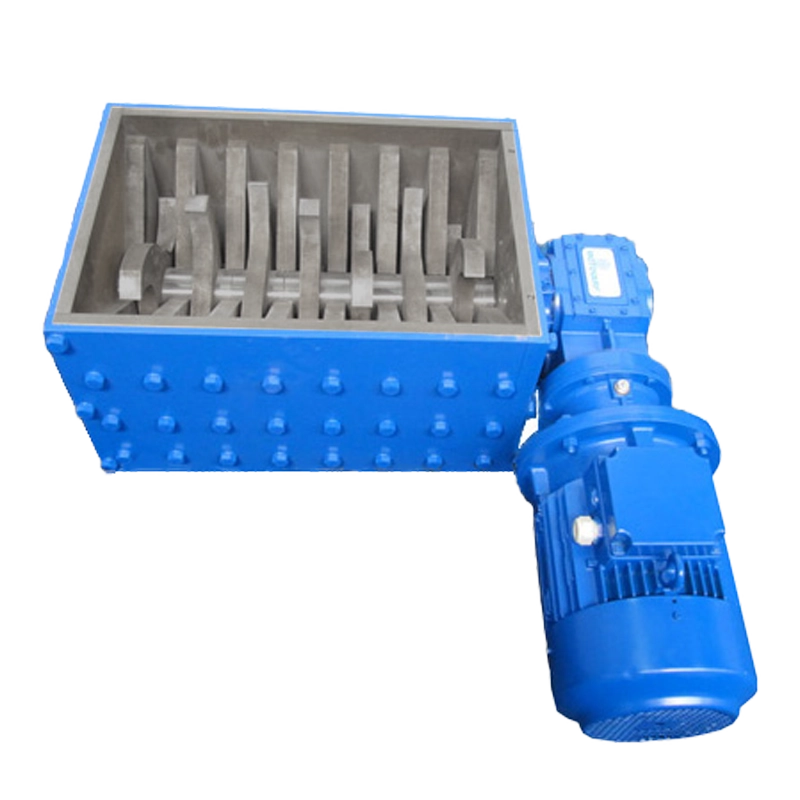
Lump Breaker
Universal, high performance Lump breaker for processing materials
The LAARMANN Lump Breaker is a universal, high-throughput de-lumping machine for powders and granular materials. Rotating blades running at high speed break compacted lumps and push material through a grid to produce a more uniform output for smooth downstream conveying, mixing, or grinding.
The Lumb Breaker is able to break lumps which form while powdery and granular material for example marlstone are being grinded. This effective grinding process is achieved by special blades that rotate at a high speed.
Features and Benefits
- Easy to operate and maintain
- High throughput
- Supports a high range of samples
- Uniform particle size
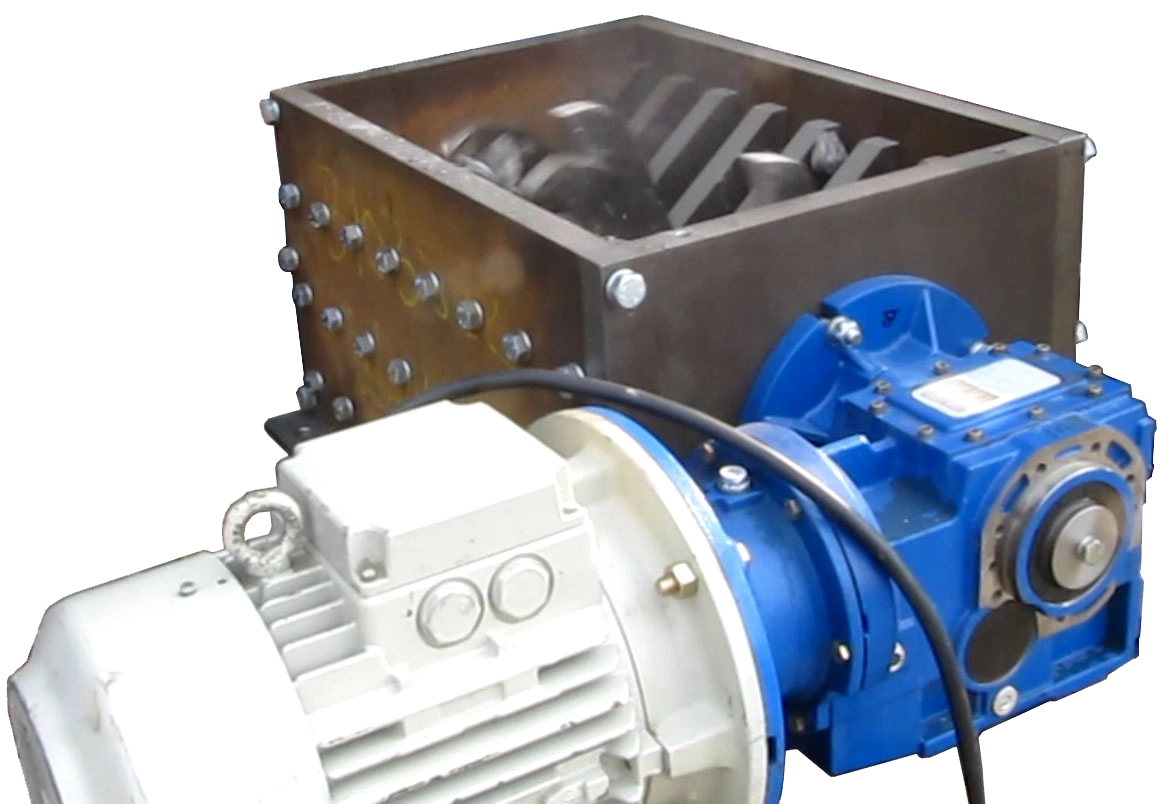
Technical Specifications
| Applications | De-lumping / deagglomeration of powders and granules before conveying, mixing, dosing, or further size reduction. |
| Working principle | Rotating blades or teeth to crush and shear agglomerated material |
| Feed size | 600 x 350 mm |
| End fineness | < 12 mm* |
| Throughput | 1000 kg/h* |
| Speed setting | 325rpm |
| Setting adjustment method | external start and stop button |
| Grinding time setting | continuous |
| Electrical requirements | 400V ? 10% ? 50/60Hz |
| Power supply | 3 kW |
| Power connection | 3 phase |
| Standard | CE |
| Protection code | IP40 |
| Weight | 250kg |
| Dimensions (width x length x height) | 640 x 520 x 1200 mm |
Lump Breaker working principle
A lump breaker is a mechanical device used in to break down large compacted chunks of material into smaller, more manageable pieces.
The primary purpose of a lump breaker is to reduce the size of lumps, clumps, or compacted material to ensure smooth downstream processing, whether for further grinding, mixing, or conveying.
The central component of a lump breaker is the rotor, which is fitted with blades, teeth, or hammers designed to crush or break apart the lumps of material.
The rotor rotates at a set speed, creating shear and impact forces that effectively break down the material as it passes through.
Below the rotor is a fixed grid or grate with openings of a specific size. The material is forced through these openings by the action of the rotor blades, ensuring that the output is of a consistent, smaller particle size.
The size of the grid openings can be adjusted or selected based on the desired final particle size.
The lump breaker has an infeed chute where the bulk material is introduced. This chute directs the material into the rotor for processing.
After processing, the reduced material exits through a discharge chute, ready for further handling or processing.
The entire mechanism is enclosed within a durable housing, which protects the moving parts and contains the material during the breaking process. The housing is typically made from stainless steel, carbon steel, or other durable materials.
The frame provides stability and supports the overall structure, often featuring mounts or feet for secure placement on the factory floor.
The rotor is powered by an electric motor, which may be directly coupled to the rotor shaft or connected via a gearbox. The motor's power and speed are chosen based on the type and volume of material being processed.
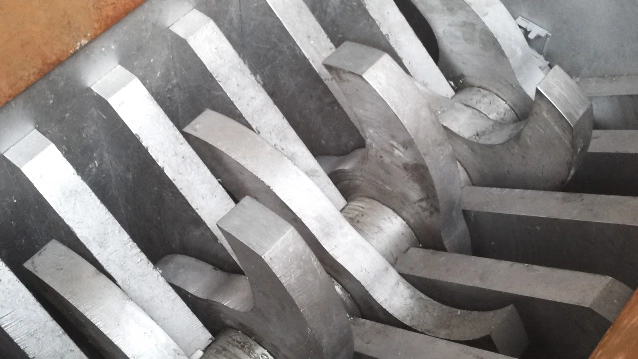
How it works
Bulk material containing lumps or compacted blocks is fed into the lump breaker through the infeed chute. As the material enters the housing, it encounters the rotating rotor with its blades or teeth. The rotor applies shear and impact forces, breaking down the lumps against the fixed grid or grate. The material continues to be broken down until it is small enough to pass through the openings in the grid. Once the material is reduced to the desired size, it exits the lump breaker through the discharge chute. The processed material can then be conveyed to the next stage of the production process, such as grinding, mixing, or packaging.

Applications
- Used to break down large chunks of ores, minerals, or aggregates before further processing.
- Used to crush lumps in sugar, salt, spices, or other food ingredients to ensure uniformity before mixing or packaging.
- Breaks down clumps in chemicals or powders to improve handling and consistency in downstream processes.
- Used to de-lump active ingredients, excipients, or granules to ensure consistent dosage forms.
- Applied to various bulk materials like fertilizers, plastics, or resins that tend to form clumps during storage or transport.