


LMBR2000 Bottle Roller
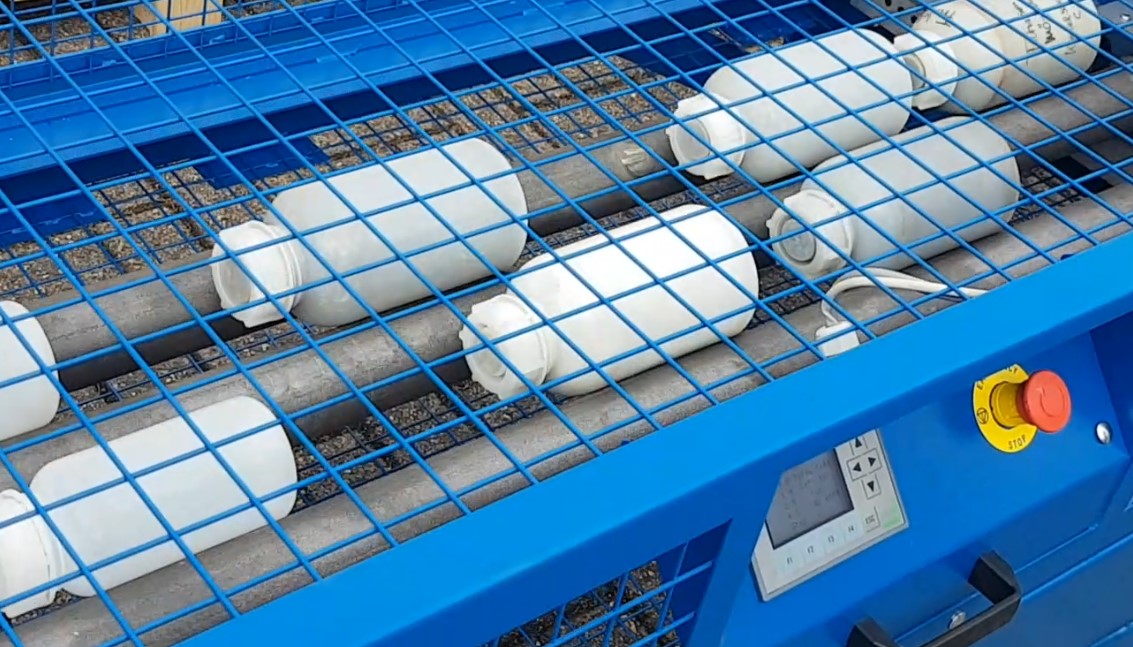
A laboratory bottle roller, used for mixing and grinding.
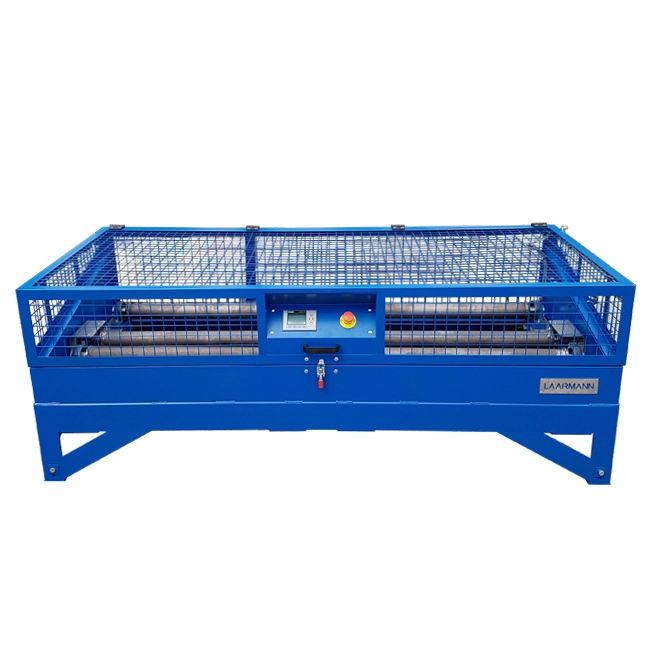
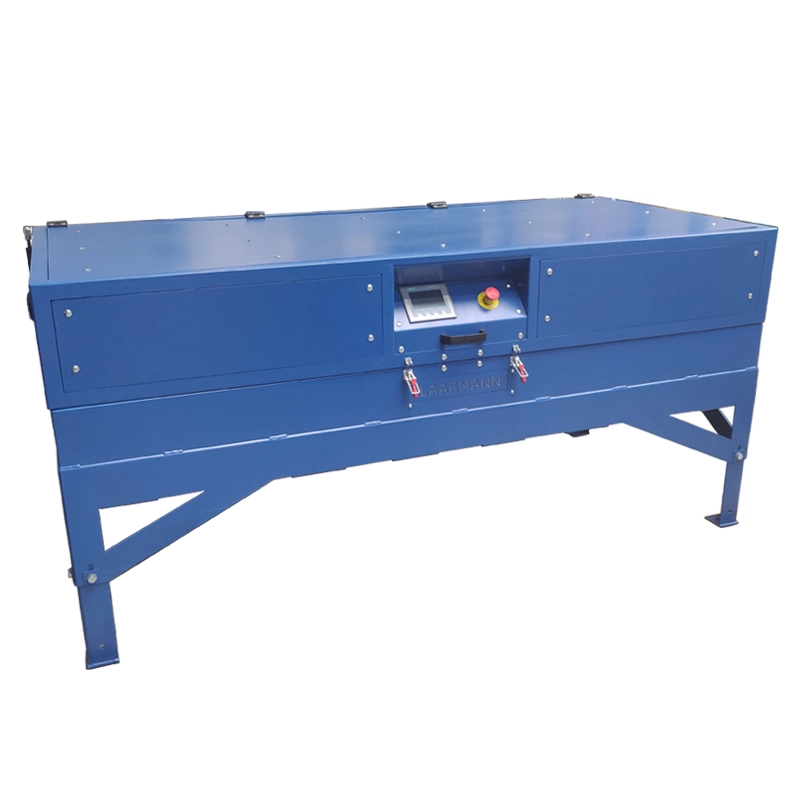
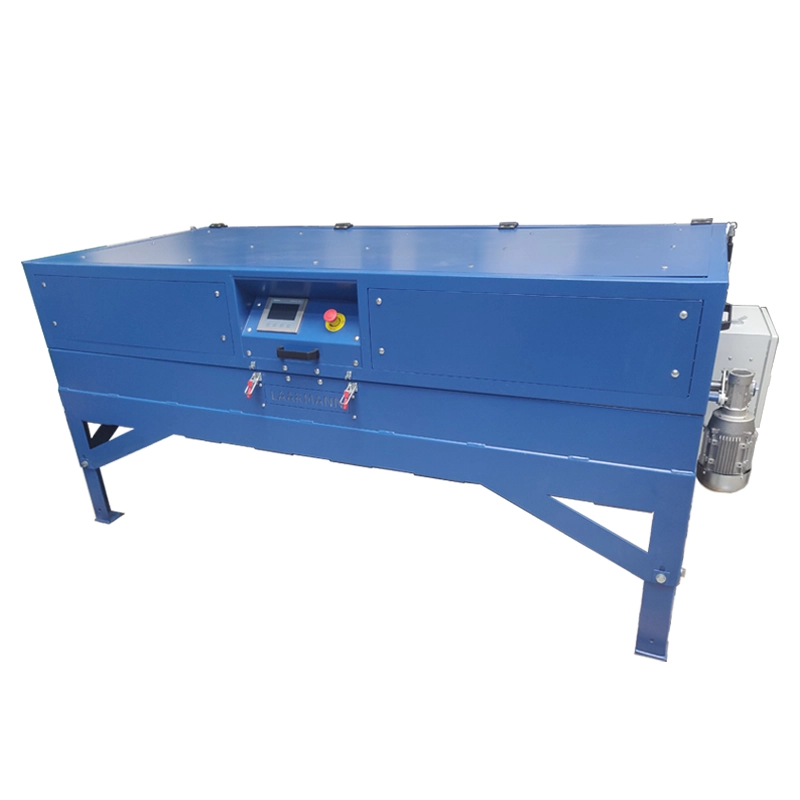
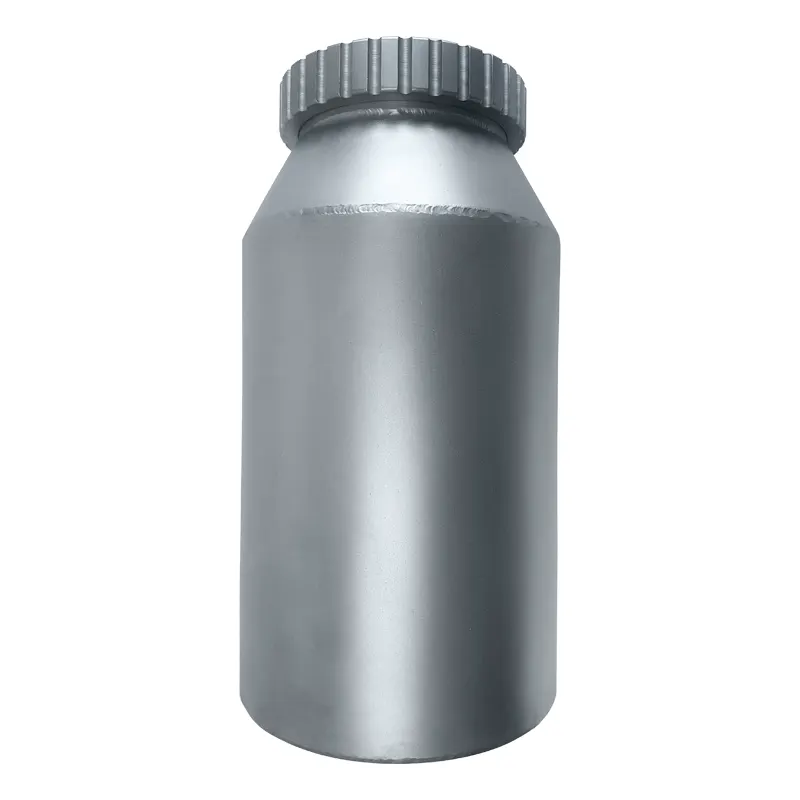
A laboratory bottle roller, used for mixing and grinding.
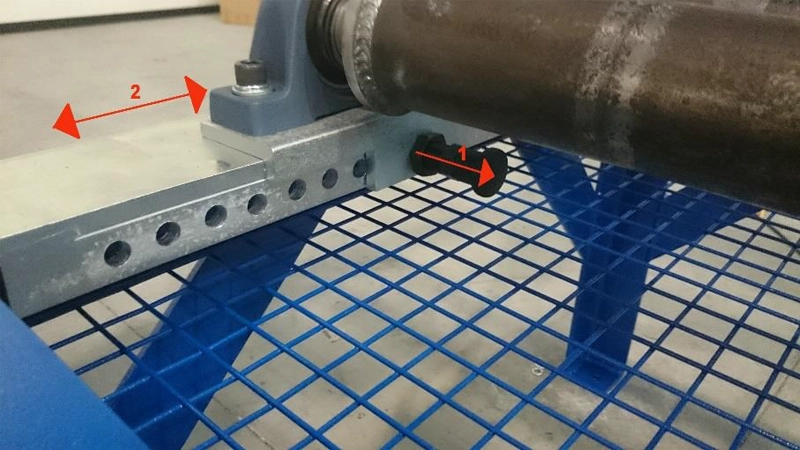
The rollers can be adjusted to fit several sizes of bottles.
Using the bottle roller will result in grinding and mixing the sample at an adjustable rotating speed.
The rollers can be easily adjusted to meet the required bottle size. Please don't hesitate to contact us if you want another size or a machine for multiple bottles,
our team can always find a solution for your requirements.
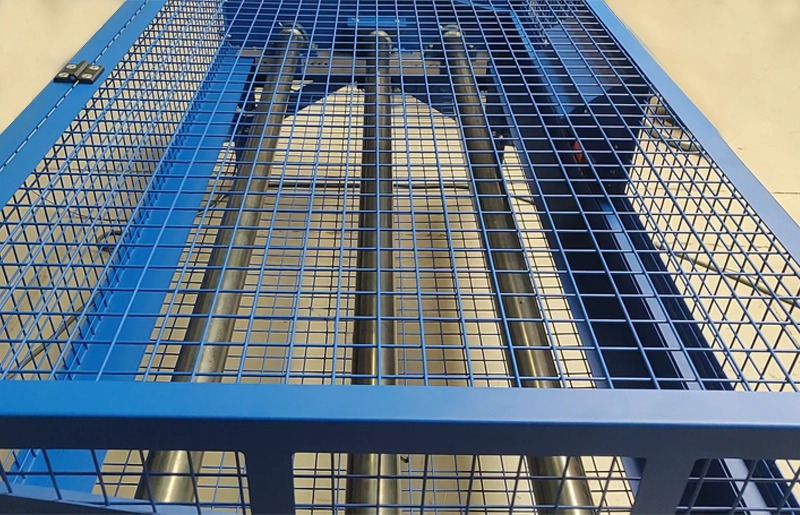
To ensure the safety of the operator and the samples, the bottle roller comes equipped with safety features such as covers with a transparent window that protect against spills and provide a clear view of the samples during operation. also with an automatic stop function that halts the rotation when the cover is lifted.
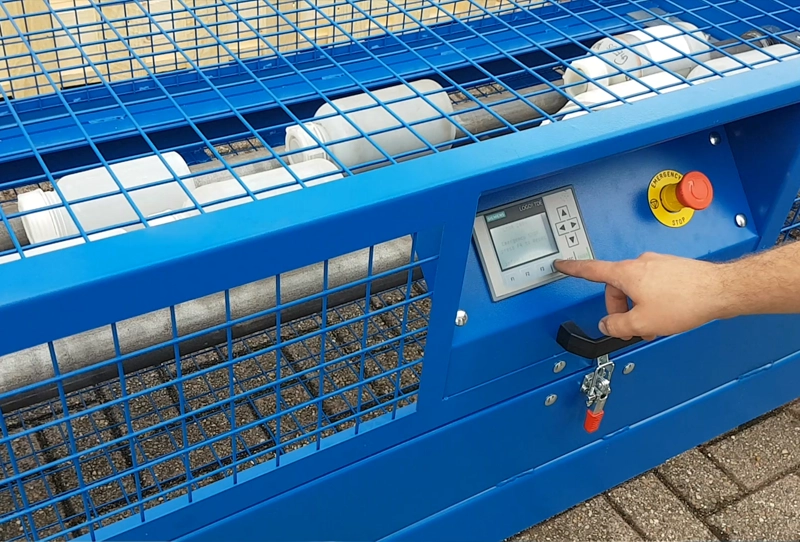
The control panel is located on the front or top of the bottle roller and allows the user to set and adjust the rotation speed, reverse and other operating parameters. It may have a digital display to show the current settings and operating status.
Features and Benefits
- Interval reversing program. Max 60 intervals per 24 hours.
- From 5 seconds up to 99 days programmable.
- From 29 to 280 RPM drive speed. Bottle speed is depending on the bottle size.
- Easy adjustment key included for different bottle sizes.
- Suitable for different bottles and material
- Uniform mixing
- Capable to processing multiple bottles simultaneously
- ideal for materials that require minimal shear forces
Technical Specifications
| Applications | Mixing and blending materials such as powders, ore samples, ceramics, composites or soils |
| Working principle | Mixing and grinding with bottles in rolling motion |
| Bottle volume | Adjustable |
| Setting adjustment method | Digital control panel |
| Timer | 5 seconds up to 99 days |
| Speed setting | 30 to 280 rpm |
| Bottle available materials | plastic, aluminium oxide and stainless steel others on request |
| Min diameter bottle | 120mm |
| Max diameter bottle | 370mm |
| Bottle amount | 14 standard sized bottles |
| Noise emission (without milling bottle) | 50 dB(A) |
| Ambient temperature | +5°C - +40°C |
| Atmospheric humidity | 85% RH |
| Electrical requirements | 700W |
| Power supply | 220/240V ? 10% - 50/60Hz |
| Power connection | 1 phase |
| Weight | 470kg |
| Dimensions (W x D x H) | 2453 x 1112 x 1090 mm (2145mm with safety cage open) |
Bottle Roller working principle
A laboratory bottle roller is a machine used for mixing, blending, or gentle grinding of materials contained in bottles or jars.
It is commonly used in laboratories for sample preparation, where it is necessary to ensure uniform mixing or dispersion of materials such as powders, liquids, slurries, or suspensions.
Bottle rollers are widely used in industries such as pharmaceuticals, chemicals, mining, ceramics, and environmental science.
The primary feature of a bottle roller is a set of rotating rollers arranged parallel to each other. These rollers are designed to hold and rotate the bottles or jars placed on them.
The rollers are made to ensure the bottles remain in place during rotation. The rollers are powered by a electric motor, which ensures smooth and consistent rotation of the bottles.
The motor's speed can be adjusted to control the rotation speed of the rollers, allowing for different mixing intensities.
Our bottle rollers offers variable speed settings to accommodate different types of materials and mixing requirements.
The spacing between the rollers can be adjusted to accommodate bottles or jars of different sizes and diameters.
This feature enhances the versatility of the equipment, making it suitable for various bottles and jars types. The rollers and other components in contact with the bottles are made from materials that are chemically resistant and durable, such as stainless steel, coated metals, or
specialized polymers, ensuring compatibility with a wide range of substances.
How it works
The bottles or jars containing the materials to be mixed are placed horizontally on the rollers.
The rollers are spaced and adjusted to securely hold the bottles in place without slipping. Once the bottles are loaded, the roller system is started via the control panel.
The rollers begin to rotate, causing the bottles to roll along their axes. As the bottles rotate, their contents are mixed through the gentle tumbling and rolling motion.
The continuous rotation ensures that the materials inside the bottles are evenly mixed, preventing settling or separation.
For some applications, such as the grinding of small particles, grinding media (e.g., beads) may be added to the bottles to aid in breaking down the material.
The operator can adjust the rotation speed and the duration of mixing to achieve the desired level of blending or dispersion. Some materials may require slow and gentle mixing, while others benefit from faster rotation.
After the mixing process is complete, the rollers are stopped, and the bottles are removed. The uniformly mixed material can then be used for further analysis, testing, or processing.
In a pharmaceutical laboratory, a bottle roller might be used to mix a suspension of an active pharmaceutical ingredient (API) in a liquid medium.
The bottle containing the suspension is placed on the roller and rotated at a controlled speed to ensure the API remains evenly dispersed in the liquid.
This uniform mixture is then used for further testing or formulation development, ensuring consistency in the final product.
Control Panel
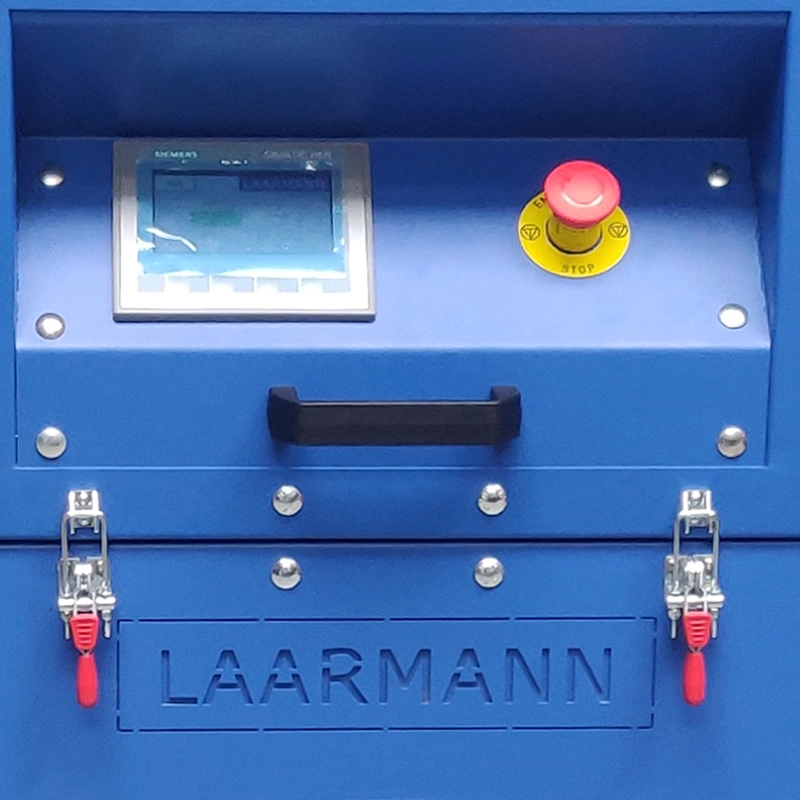
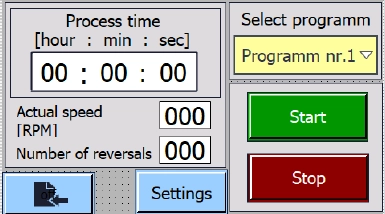
The control panel allows the operator to start, stop, and adjust the speed of the rollers. Our model is made with an advanced digital display where timers,reverse amounts and programmable settings for automated operation.
Safety Features
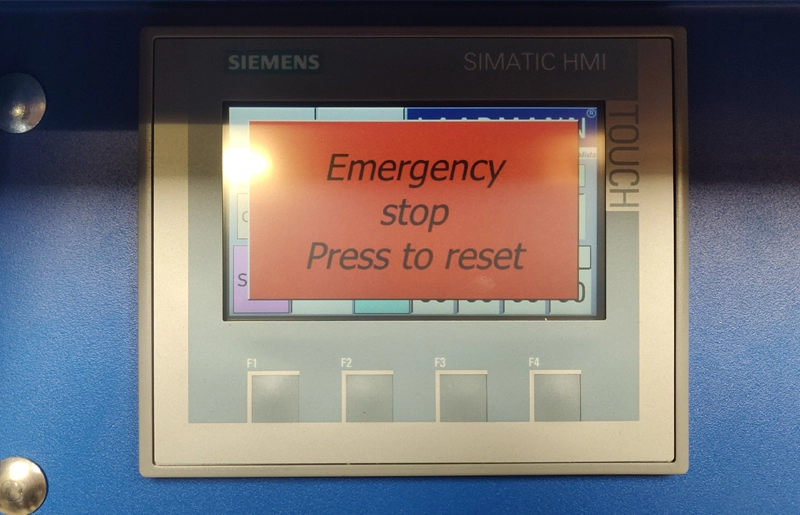
The Bottle roller is equipped with safety features such as overload protection, emergency stop buttons, door open and close detection sensor and protective covers to prevent accidents during operation. The equipment is designed to ensure safe and stable operation even at higher speeds.
LMBR2000 Bottle Rollers FAQ (Frequently Asked Questions)
Applications
- Used for blending powders, suspensions, or solutions to ensure uniformity before further processing, such as tableting or capsule filling.
- Employed to mix chemical solutions, dispersions, or slurries in research and development or quality control labs.
- Utilized for the preparation of ore samples, including the mixing of slurries and the grinding of minerals to assess their composition.
- Used to mix and grind raw materials or compounds for the production of ceramics, composites, or other advanced materials.
- Applied to homogenize environmental samples such as soil, sediment, or water for pollution analysis and testing.
Visit our Applications page for our database of specific applications