

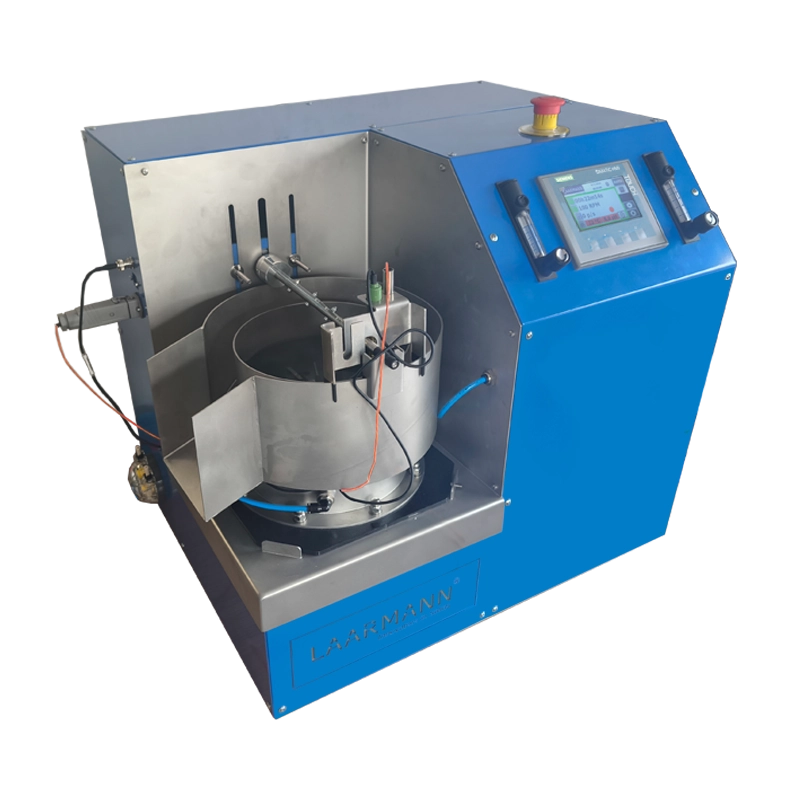
LMFTM-BD Bottom-Driven Flotation Machine
The LMFTM-BD is a laboratory flotation machine built around a bottom-driven impeller configuration for accurate, reliable and repeatable mineral flotation testing.
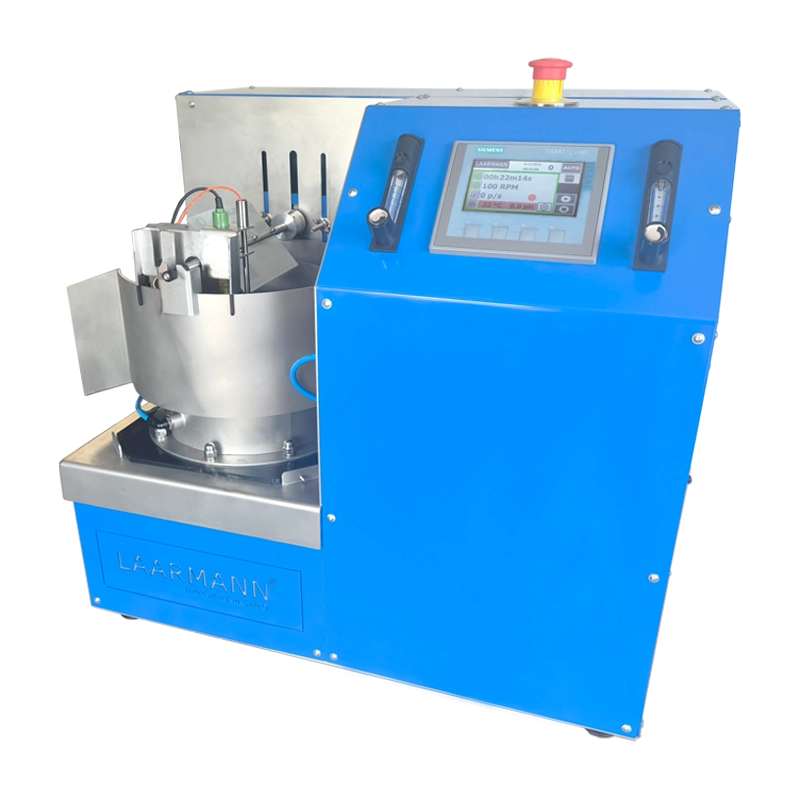
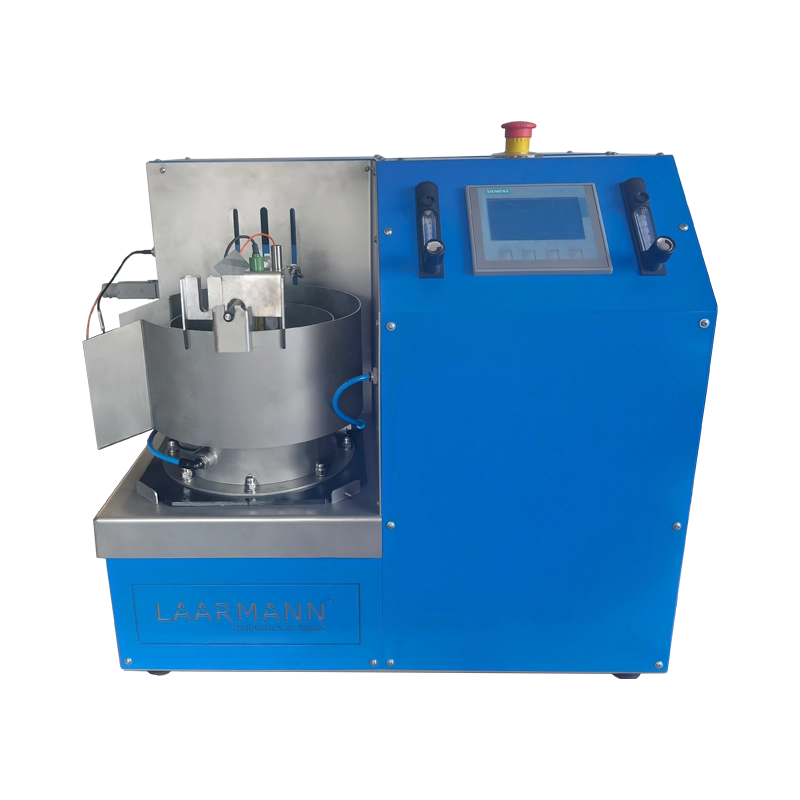


The LMFTM-BD is a laboratory flotation machine designed around a bottom-driven impeller configuration for accurate and repeatable mineral flotation testing.
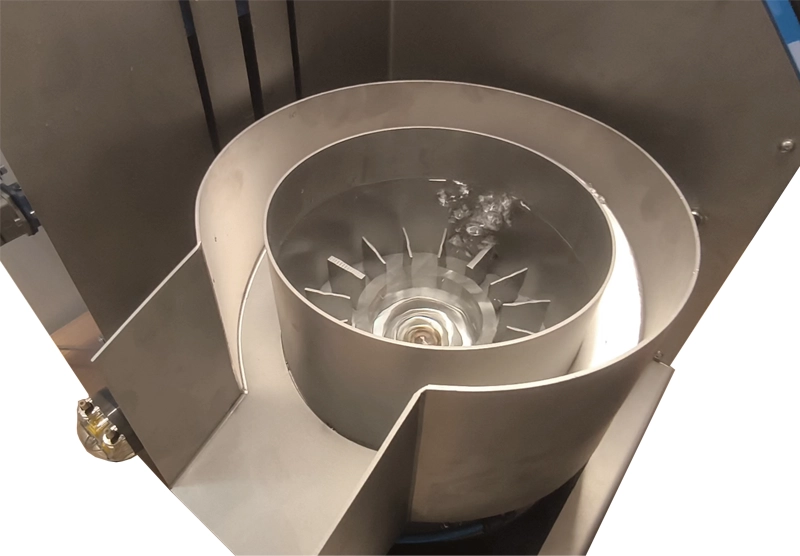
Unlike conventional configurations in which the drive assembly is positioned above the flotation cell, the LMFTM-BD places the impeller at the bottom of the cell, where it agitates the pulp and disperses the air required for flotation.
A stationary stator surrounding the impeller helps guide the movement of pulp and air bubbles within the cell, supporting consistent mixing and air dispersion.
Different impeller and diffuser configurations are available, allowing the machine to be adapted to a variety of laboratory flotation requirements.
All wetted metal parts are manufactured from high-quality 316 stainless steel.
The LMFTM-BD provides a controlled laboratory environment for studying mineral separation, beneficiation and flotation behaviour under different operating conditions.
Features and Benefits
- Bottom-driven impeller configuration for controlled agitation and air dispersion
- Stator-assisted flow distribution within the flotation cell
- Interchangeable impeller and rotor configurations
- Digital touchscreen control
- Adjustable impeller speed and airflow
- Optional pH, temperature and level indicators, holder-mounted on cells from 0.5 L and larger.
- Digital monitoring of pH, temperature and level when optional sensors are installed
- Flotation cell capacities from 0.2 to 7 litres
- Suitable for flotation, attritioning, blending and agitation
- Acrylic and stainless steel flotation cells available
- Alternative materials and configurations available on request
Technical Specifications
| Application fields | Laboratory analysis and mineral processing research |
| Applications | Laboratory flotation, mineral separation, beneficiation and concentration testing |
| Working methods | Flotation, attritioning, blending, agitation |
| Flotation cell capacity | 0.2 - 7 litres |
| Flotation cell and impeller materials | Stainless steel, acrylic, PU-coated, PTFE-coated |
| Available accessories | Froth remover, level indicator, peristaltic pump, pH meter, temperature meter |
| Impellers | Interchangeable |
| Control method | Digital touchscreen control panel |
| Impeller speed | 100 - 2000 rpm |
| Froth remover speed | 5 - 19 rpm |
| Airflow range | 0 - 10 L/min 10 - 50 L/min |
| Rated power | 0.75 kW |
| Electrical requirements | 220 - 240 V, 50 Hz (others on request) |
| Power connection | Single phase |
| Ingress protection rating | IP55 |
| Conformity | CE |
| Weight | 92 kg |
| Dimensions (length × width × height) | 839 × 480 × 834 mm |
Bottom-Driven Flotation Machine Working Principle
In the LMFTM-BD, the impeller is positioned at the bottom of the flotation cell. As the impeller rotates, it agitates the pulp and creates the turbulent conditions required to mix the mineral particles, water and flotation reagents.
Air is introduced through the bottom rotor area and dispersed into small bubbles by the rotating impeller. The surrounding stator helps guide the movement of the pulp and air, promoting consistent bubble distribution throughout the cell.
Hydrophobic mineral particles attach to the air bubbles and are transported towards the surface. Depending on the material being tested, collectors, frothers and modifiers can be added to influence particle hydrophobicity and flotation selectivity.
At the surface, the bubble-particle aggregates form a mineral-rich froth layer. The froth can be continuously removed using the adjustable froth remover, while the pulp level can be monitored to help maintain consistent test conditions.
This bottom-driven arrangement enables controlled investigation of the relationship between agitation, aeration and froth recovery during laboratory flotation tests.
How It Works
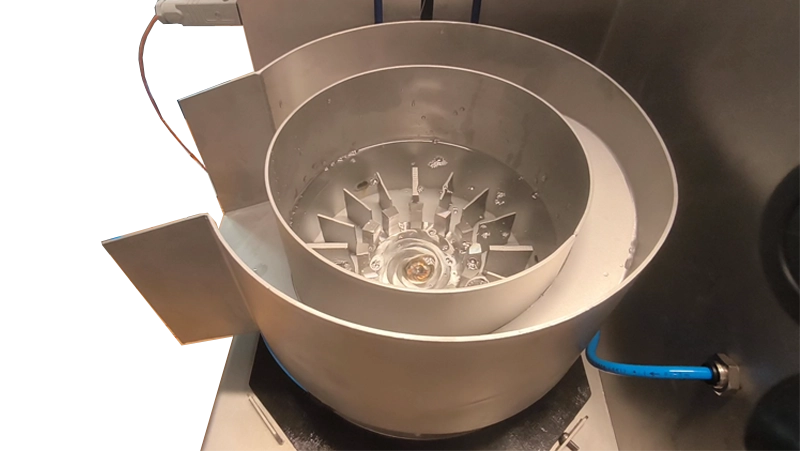
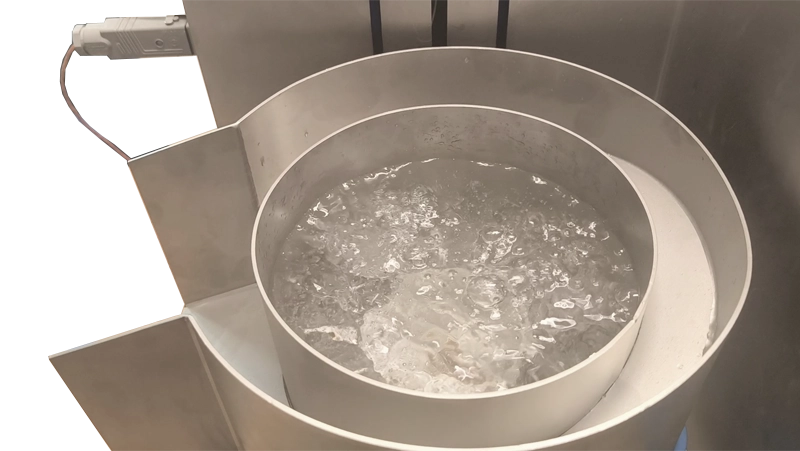
The bottom-mounted impeller agitates the flotation pulp while dispersing incoming air into small bubbles. The surrounding stator helps guide the resulting flow through the cell.
Hydrophobic mineral particles attach to these bubbles and rise towards the surface, where they form a mineral-rich froth. The froth is then removed for collection and further analysis.
By adjusting parameters such as impeller speed, airflow and test duration, different flotation conditions can be reproduced and compared.
Control Panel
The LMFTM-BD is operated through a user-friendly touchscreen control panel that allows test parameters to be configured and saved. These settings include process duration, continuous-cycle operation and other parameters depending on the test configuration.
Impeller speed can be adjusted from 100 to 2000 rpm. Airflow can be regulated using two ranges of 0 - 10 L/min and 10 - 50 L/min. Froth removal can also be configured using adjustable operating periods, pause times and continuous operation.
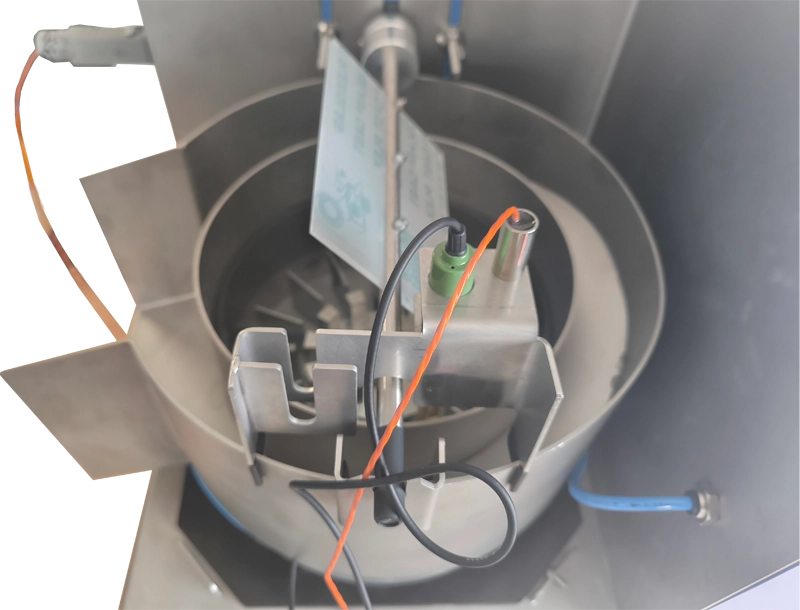
Optional pH, temperature and level sensors provide process measurements through the control system. When the relevant options are installed, these sensor inputs can also be used with the automatic pump-control functions.


Accessories
Flotation Cells
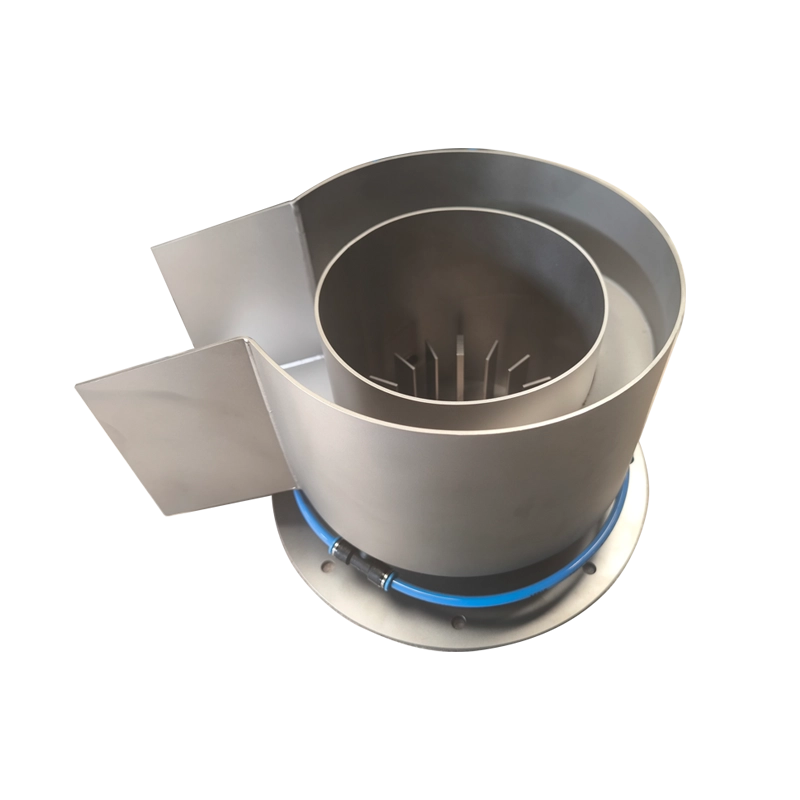
The flotation cells for the LMFTM-BD are available in clear acrylic or stainless steel.Different cell sizes and configurations are available for different sample volumes and test requirements. The cell operates together with the bottom-mounted rotor assembly to provide controlled mixing, aeration and froth formation.
Cell selection may depend on factors such as sample volume, pulp density, residence time and the flotation conditions being investigated.
Froth Remover
The froth remover continuously removes the mineral-rich froth that forms at the surface of the flotation cell.Paddles positioned above the pulp surface move the froth towards the collection area. The operating speed and cycle of the froth remover can be adjusted to suit different flotation conditions.
Controlled froth removal helps provide consistent collection during comparative laboratory tests.
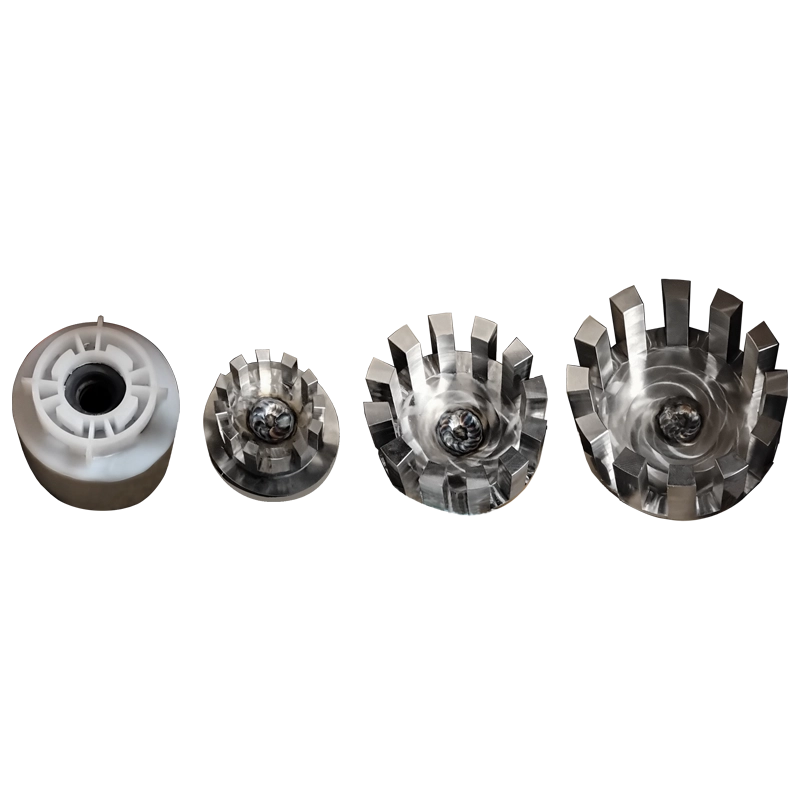
Rotor Assembly
The interchangeable rotor assembly is positioned at the bottom of the flotation cell and provides the agitation and air dispersion required for flotation.As the impeller rotates, incoming air is dispersed into small bubbles while turbulent flow distributes these bubbles throughout the pulp.
Different rotor configurations can be used to adapt the machine to different flotation cells and laboratory test conditions.

pH Meter
The optional pH meter continuously monitors the pH of the flotation pulp during testing.The measured pH value is displayed on the digital control system, allowing the operator to monitor process conditions throughout the test.
Accurate pH monitoring is particularly important when investigating the influence of reagents and pulp chemistry on flotation performance.

Temperature Meter
The optional temperature meter monitors the temperature of the flotation pulp during laboratory testing.The measured temperature is displayed through the control system, allowing temperature conditions to be monitored throughout the test.
Temperature monitoring is useful when working with temperature-sensitive reagents or when flotation tests need to be reproduced under controlled conditions.
Level Indicator
The level indicator provides real-time information about the pulp level inside the flotation cell.Monitoring the pulp level helps maintain consistent operating conditions and can support stable aeration, froth formation and froth recovery during laboratory tests.
Bottom-Driven Flotation Machine FAQ (Frequently Asked Questions)
Applications
The LMFTM-BD is intended for laboratory flotation and mineral-processing studies where controlled agitation, airflow and froth recovery are required.
The adjustable bottom-driven configuration makes it possible to investigate how operating parameters such as impeller speed, airflow, cell configuration and pulp conditions influence flotation behaviour.
The machine can be used for beneficiation and separation studies involving mineral samples such as copper, gold, zinc, phosphate, graphite and lithium-bearing materials.
Flotation techniques can also be investigated for applications including coal preparation, oil sands processing, wastewater treatment and recycling.
Visit our Applications page for our database of specific applications.