


LMC50 Jaw Crusher
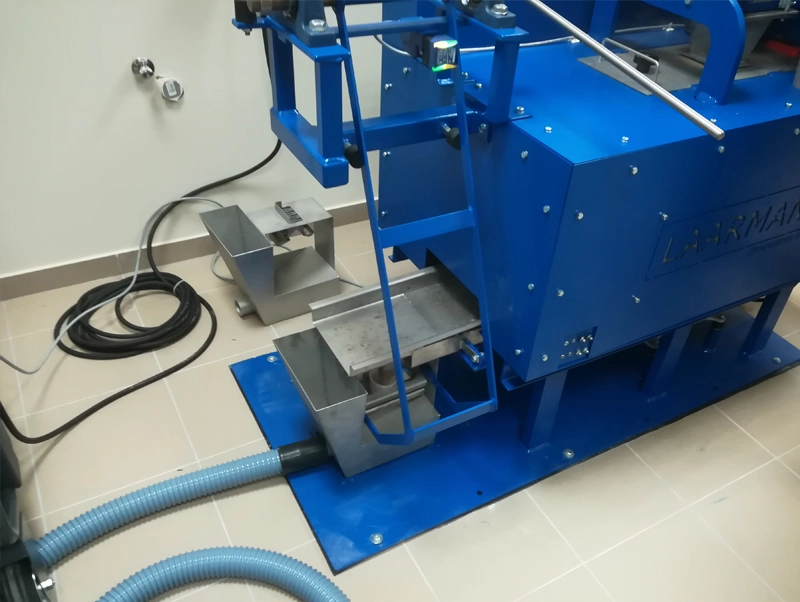
The LMC50 is a laboratory crusher, with a compact design and a powerful drive for quick size reduction
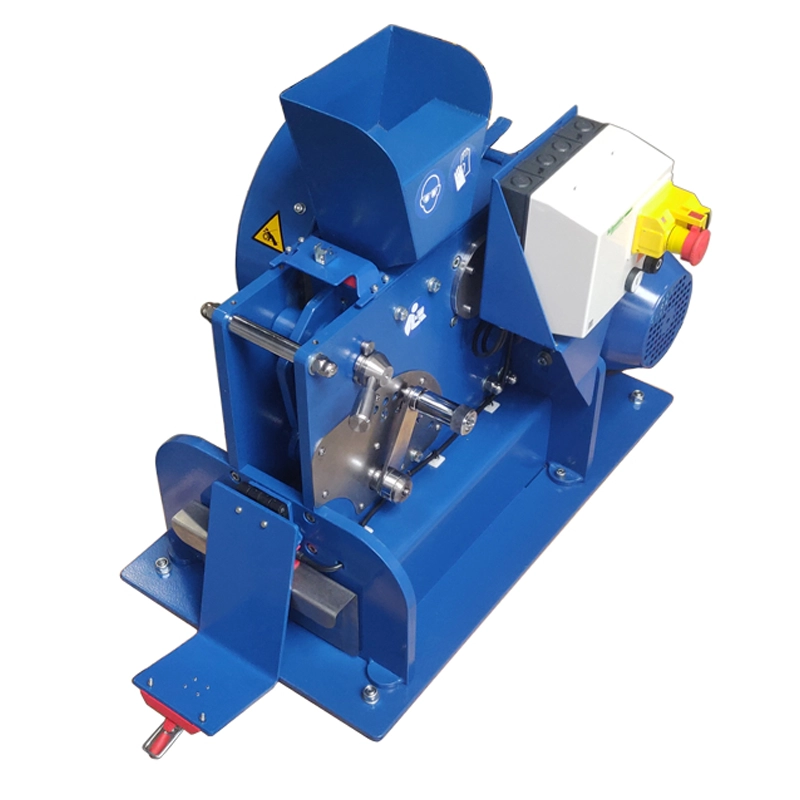
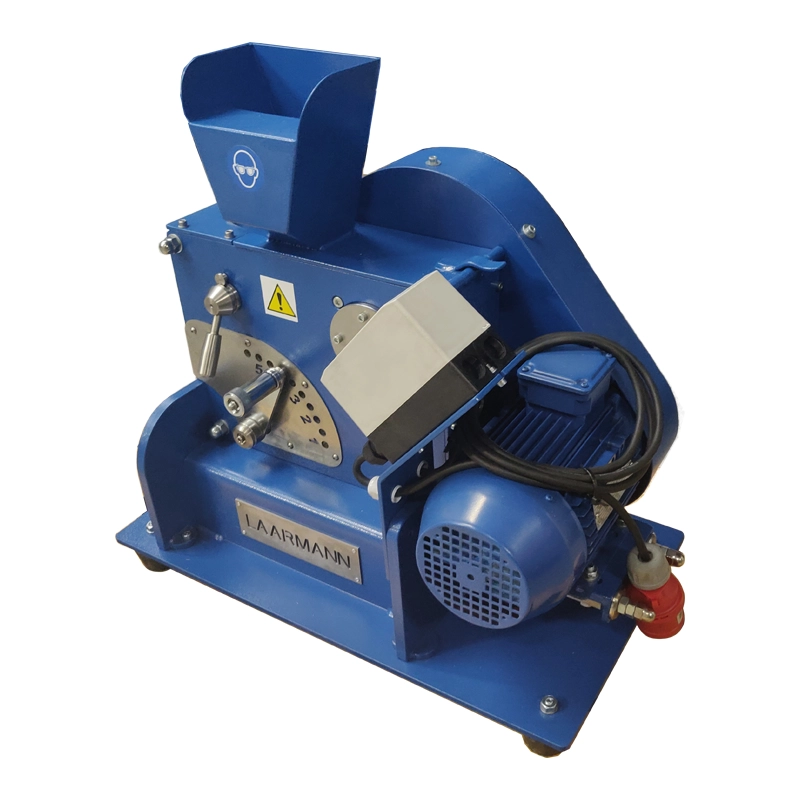
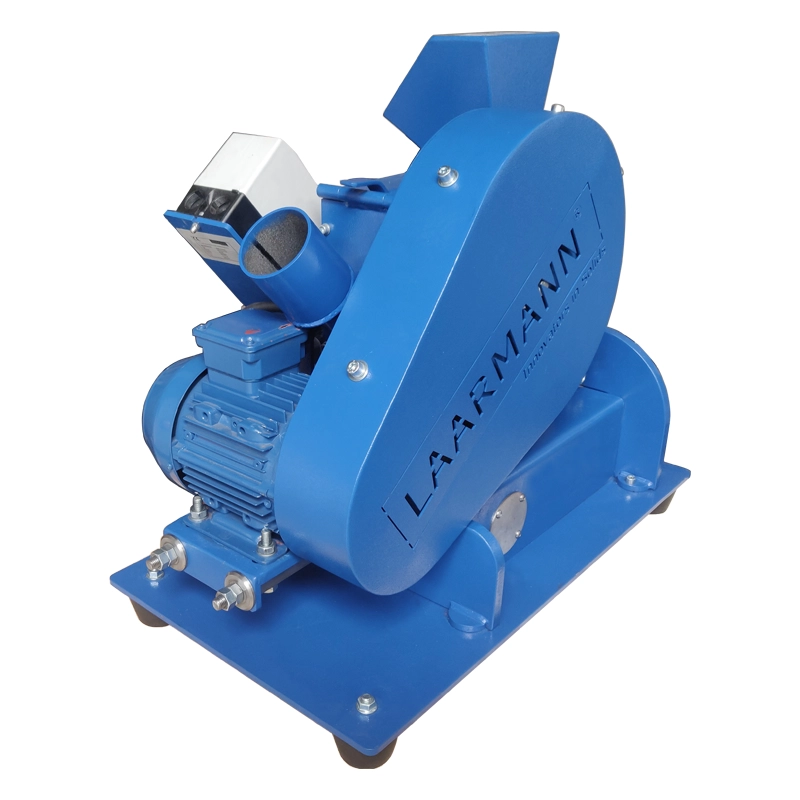
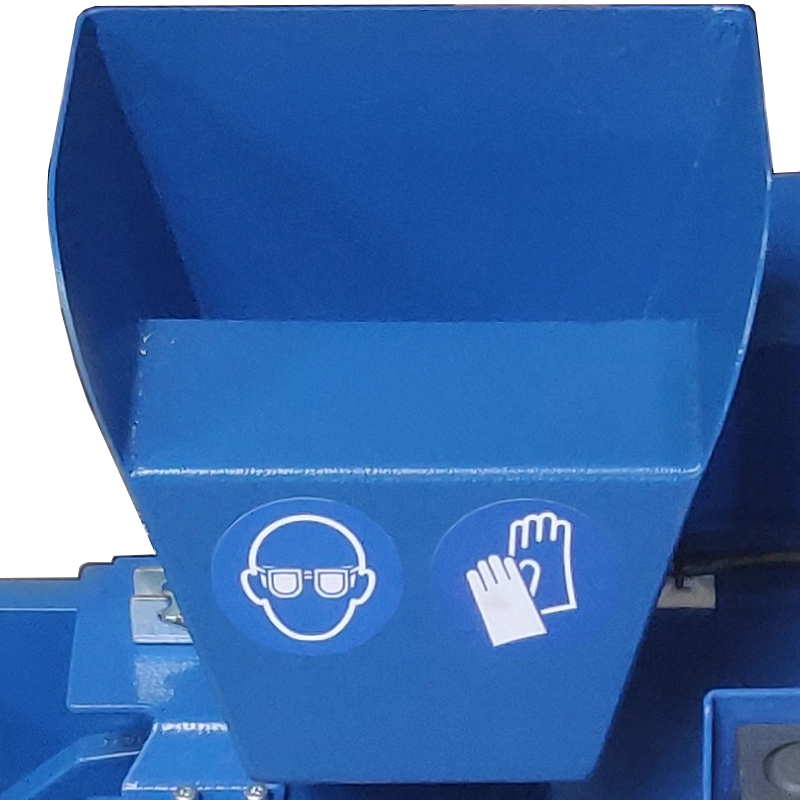
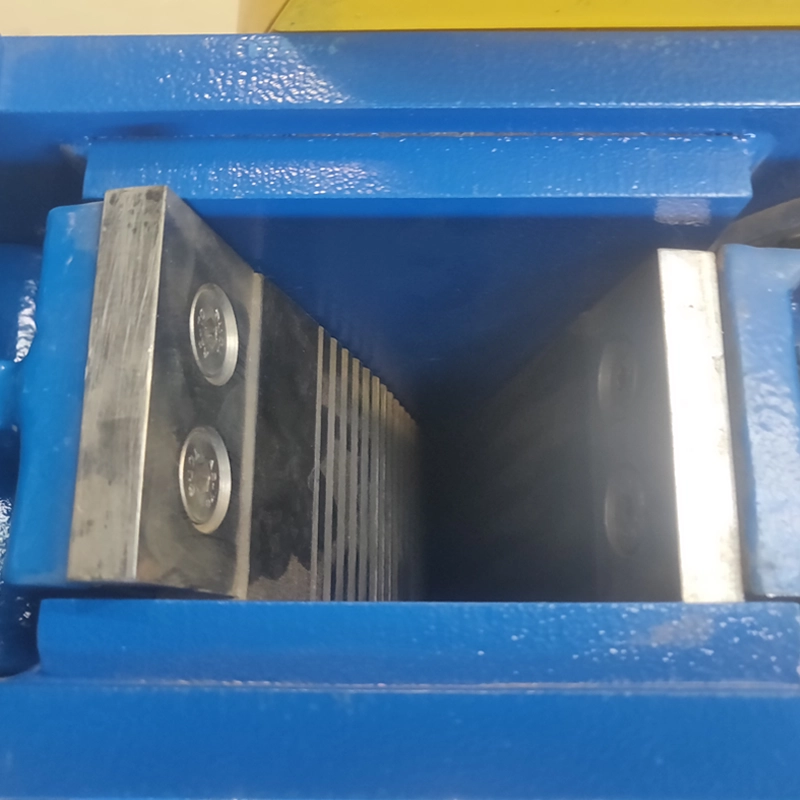
LMC50 features in the compact design, easy operation and the high final fineness of sample (d90 < 0.5mm ) . The sample enters the grinding chamber via the anti-splashing hopper. The crushing is proceeded inside the wedge-shaped shaft space between two jaw plates. one jaw plate is fixed, while the other jaw plate is driven by a bent axle to perform oval movement with the continuous rotation of the motor. The sample is crushed due to extrusion caused by constant movements of the jaw plate and moves downward under the effect of gravity. In case the grain size of the sample is less than the lower opening gap of jaw plates, it will fall to the drawer receiver at the lower part of the machine.
Features and Benefits
- Quick and easy to clean due to front door access
- Final fineness Final fineness (d90 0.5 mm)
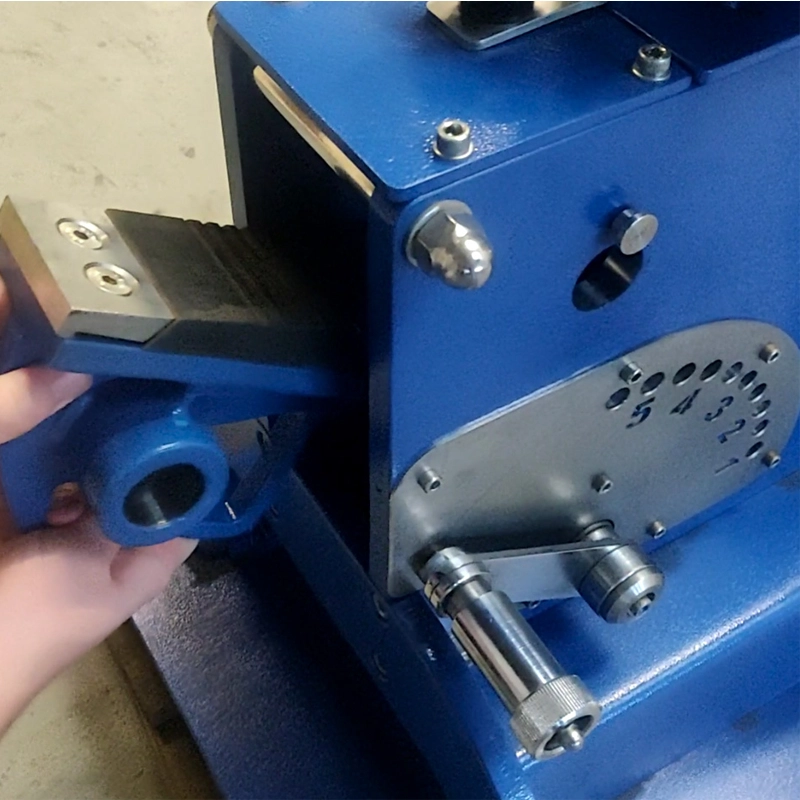
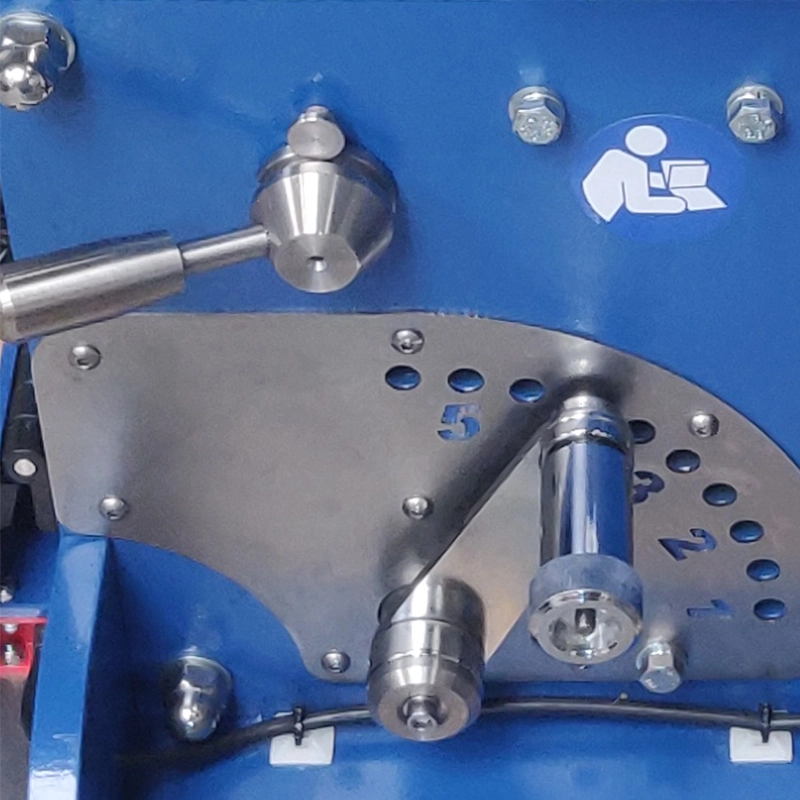
- Zero point adjustment
- Six kinds of materials for the jaw plates to choose from
- Easy cleaning
- Anti-splashing hopper
Technical Specifications
| Applications | Pre-crushing of hard and brittle materials |
| Application fields | Mining & quarrying, Recycling, Construction materials, Geology & metallurgy, Glass & ceramics, Chemistry & plastics, Environmental analysis, Engineering & electronics, Building materials, Research & laboratories |
| Working principle | Crushing with moving plate |
| Jaw Inlet | 65 x 65 mm |
| Feed size | 50 x 60 mm |
| Gap setting | 0 - 5 mm |
| End fineness | < 1,5 mm* |
| Throughput | 50kg/h (depending on material size and characteristics) |
| Setting adjustment method | external start and stop button and gap adjustment |
| Material jaw plates | manganese(standard), tungsten carbide |
| Material side liners | manganese(standard), hard plastic variant (for minimal wear) |
| Electrical requirements | 1.1 kW |
| Power supply | 400V/50Hz |
| Power connection | 3 phase |
| Dust extraction point | 1 |
| Standard | CE |
| Protection code | IP40 |
| Weight | 110kg |
| Dimensions (width x length x height) | 700 x 400 x 700 mm |
Working principle
A jaw crusher is a primary crushing machine used in various industries such as mining, quarrying, and construction. It works on the principle of compression, where the material is crushed between a fixed jaw and a movable jaw.
The material to be crushed is fed into the top of the crusher chamber. As the movable jaw moves towards the fixed jaw, the material is crushed between the two jaws. The crushing action occurs when the material is squeezed and compressed between the jaws.
The crushed material is discharged through the bottom of the crusher chamber, where it can be further processed or collected.
Our jaw crushers are equipped with an adjustment mechanism that allows the setting of the gap between the jaws to be adjusted to control the size of the crushed material.
Contamination-free crushing
The jaw plates are typically made of materials that are chemically inert and resistant to abrasion, such as stainless steel, tungsten carbide, zirconia or different types of materials this is depending on the sample that is being processed. These materials ensure that no contaminants are introduced into the crushed material during the crushing process. This is particularly important in industries such as pharmaceuticals, food processing, and environmental analysis.
LMCOM Combi Mill
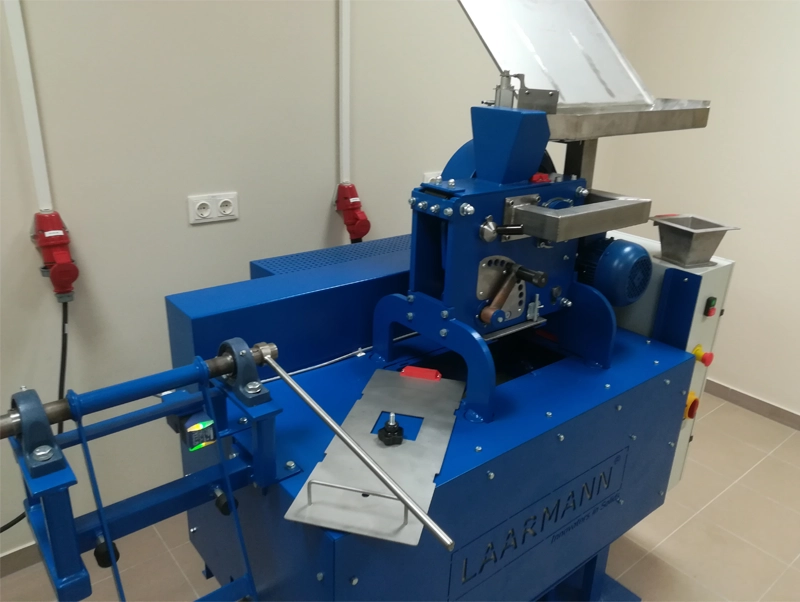
The LMC50 Jaw Crusher is integrated into our combi mill. The Combi Mill is a machine that has to small jaw crusher for pre crushing a roll crusher for more fine grinding and a sample collector
click here to vist the project page our combi mill project for a more detailed description
LMC50 Jaw Crusher FAQ (Frequently Asked Questions)
Applications
Ores, alloys, basalt, cement, ceramics, quartz, chamotte, coke, construction materials, coal,feldspar, glass, granite, minerals, oxide ceramics, rocks, silicon, slag, and many more
Visit our Applications page for our database of specific applications