


LMRC100 Roll Crusher
The LMRC100 Roll Crusher is typically used in laboratory or pilot plants after primary reduction of the infeed material.
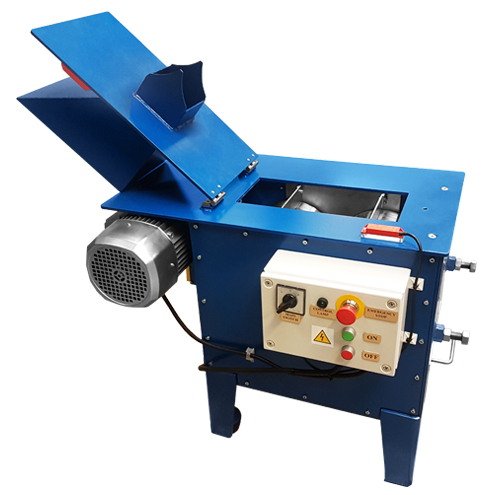
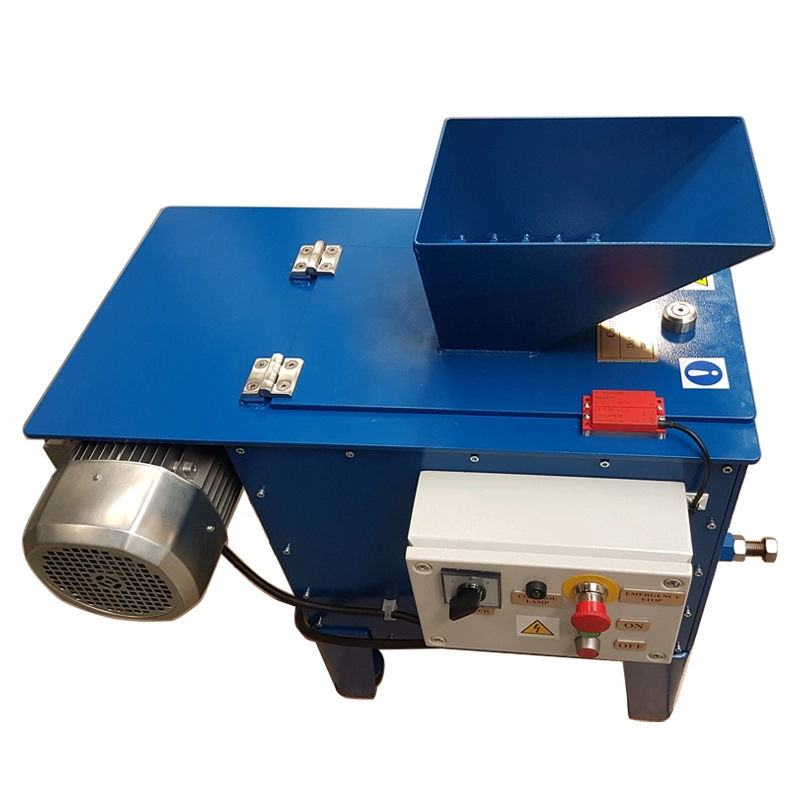
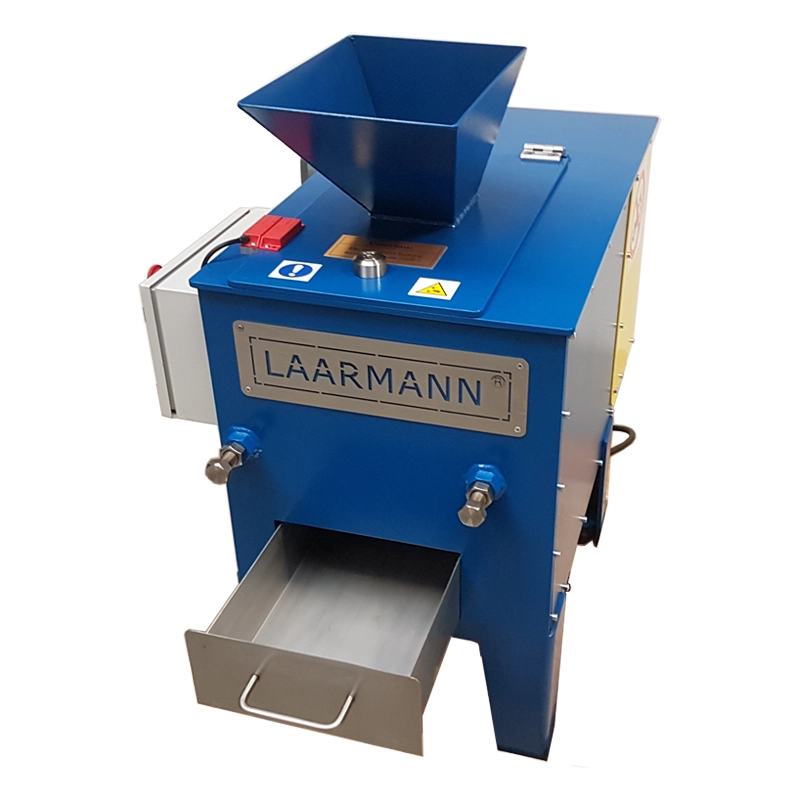
The LMRC100 Roll Crusher is typically used in laboratory or pilot plants after primary reduction of the infeed material. Roll crushers operate with a minimum of dust generation and produce a material with a tight size envelope containing a minimum of fines. Designed for rapid, controlled size reduction of ore, mineral or rock prior to metallurgical testing or further milling or grinding. The LMRC100 Roll Crusher is built with two of the same diameter individually powered contra-rotating rolls, so the nipping process produces an ideal crushing environment for a wide variety of materials. Product sizing is controlled by an (adjustable) gap setting between the 2 rolls. One roll is heavy duty spring mounted as protection against uncrushable material attempting to pass between the rolls.
Features and Benefits
- Fast, easy adjustment of product sizing
- Consistent and uniform end fineness
- Energy efficient
- Replaceable stainless steel roll shells and side plates
- Heavy duty spherical roller bearings
- Heavy fabricated steel frame
Technical Specifications
| Applications | size reduction of various materials in industries such as mining, coal processing, and aggregate production |
| Working principle | Size reducing with two rollers |
| Feed size | 30-35 mm |
| End fineness | < 5 mm* |
| Speed setting | 380rpm |
| Throughput | 100 - 1500 kg/h |
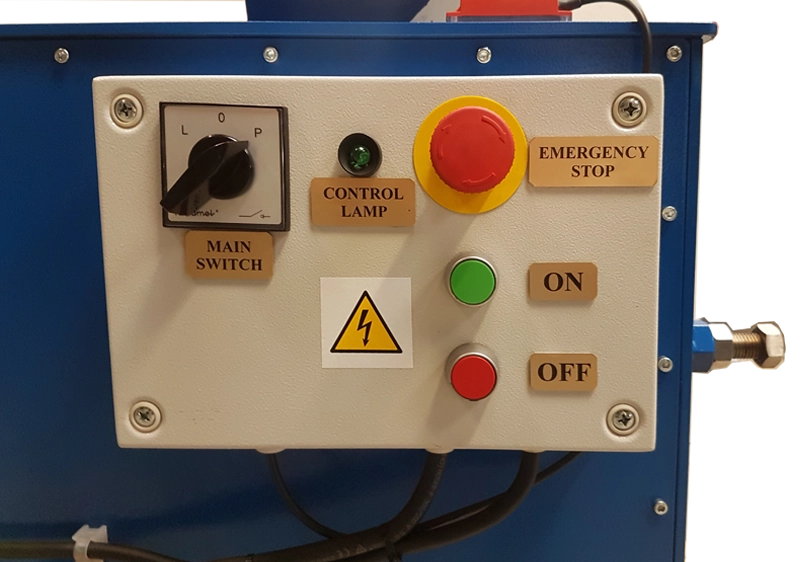
| Setting adjustment method | external start and stop button |
| Roll Size (Dia x Width) | 200 x 150 |
| Electrical requirements | 2.2 kW |
| Power supply | 200V ± 10% - 50/60Hz |
| Power connection | 3 phase |
| Standard | CE |
| Protection code | IP40 |
| Weight | 330kg |
| Dimensions (width x length x height) | 700 x 900 x 970 mm |
Roll crusher working principle
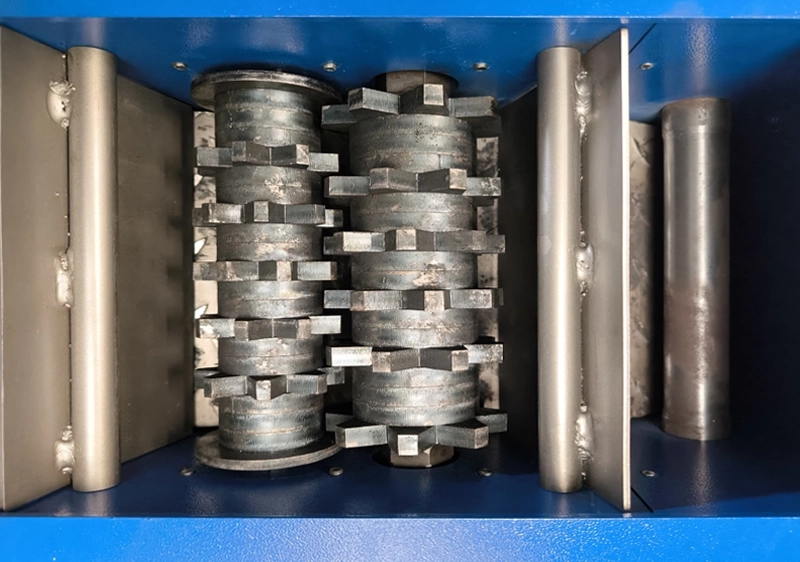
The LAARMANN LM-RC100 Roll Crusher reduces particle size by compressing material between two counter-rotating, cylindrical rolls. As the sample is drawn into the "nip" between the rolls, it is crushed primarily by compressive stress (and a smaller amount of shear), producing a controlled, relatively low-dust product compared to more impact-based crushers. A key control parameter is the roll gap. The LM-RC100?s product size is determined mainly by the distance between the rolls:
- Smaller gap → finer product
- Larger gap → coarser product / higher throughput
How it works
Bulk material is fed into the rolls crusher through the feed hopper. The material is directed into the crushing chamber between the two rotating rolls.
As the rolls rotate towards each other, the material is drawn into the gap and subjected to compressive forces. The pressure exerted by the rolls breaks the material down into smaller particles.
The roll surface (smooth, corrugated, or toothed) can also impart additional shear forces that aid in the crushing process, particularly for materials that are harder or more fibrous.
The degree of size reduction is controlled by adjusting the gap between the rolls. Smaller gaps result in finer particles, while larger gaps produce coarser output.
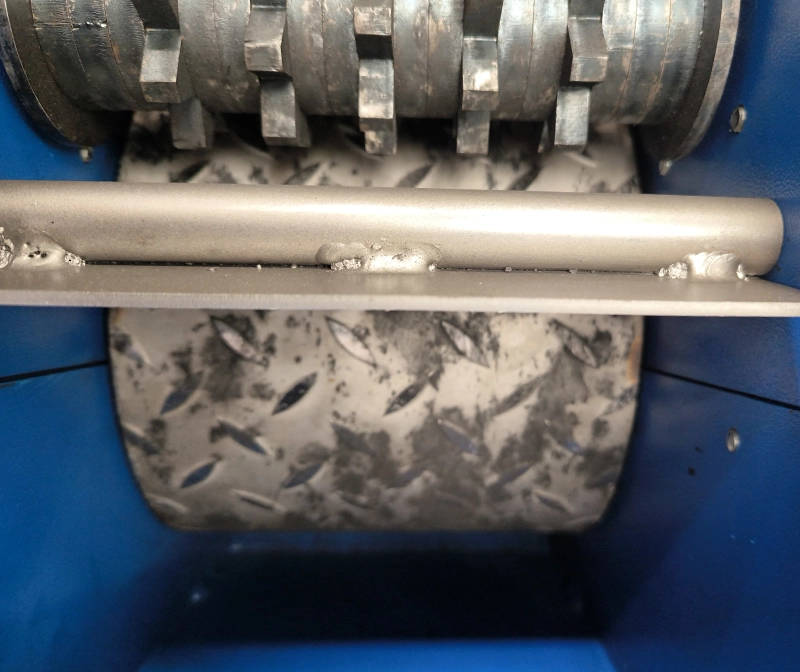
The crushed material exits the crusher once it has been reduced to the desired size and falls through the discharge chute.
The crushed material is collected at the discharge point, where it can be further processed, screened, or transported for use or storage.
LM-RC100 Roll Crusher FAQ (Frequently Asked Questions)
Applications
- Used to crush ores, rocks, and other hard materials in preparation for further processing or extraction of valuable minerals.
- Commonly employed to reduce the size of coal before it is used for combustion in power plants or for further processing in coal preparation plants.
- Utilized to crush stone, gravel, or other aggregates for use in construction, road building, and other civil engineering projects.
- Applied in the recycling industry to crush materials such as glass, slag, and other waste products, reducing their size for easier handling and processing.
Visit our Applications page for our database of specific applications