


CM300 Cutting Mill
The CM300 Cutting Mill can process a large variety of flexible, medium-hard, fiber and mixed products.
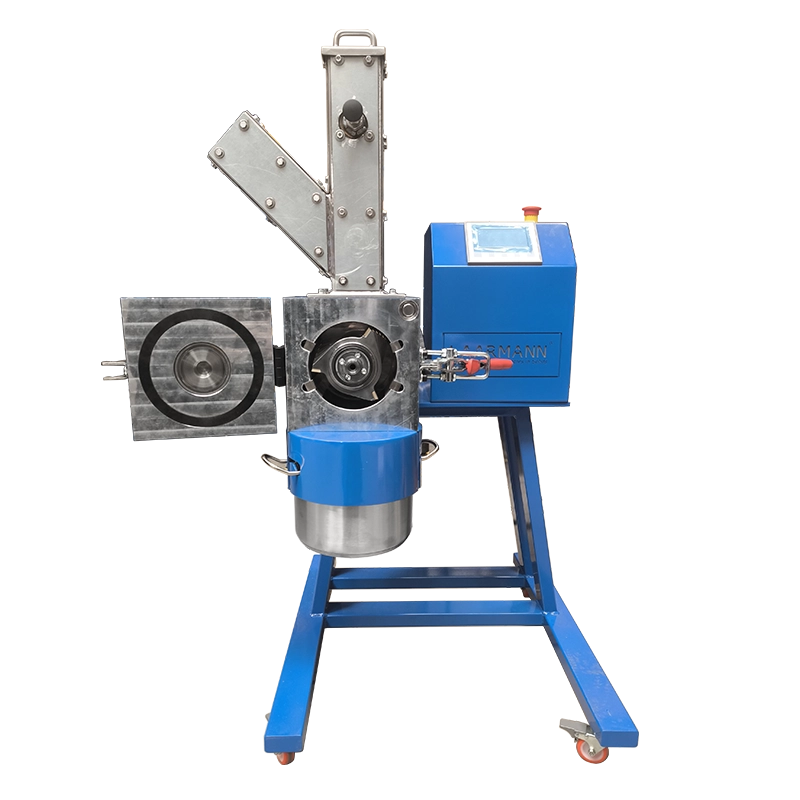
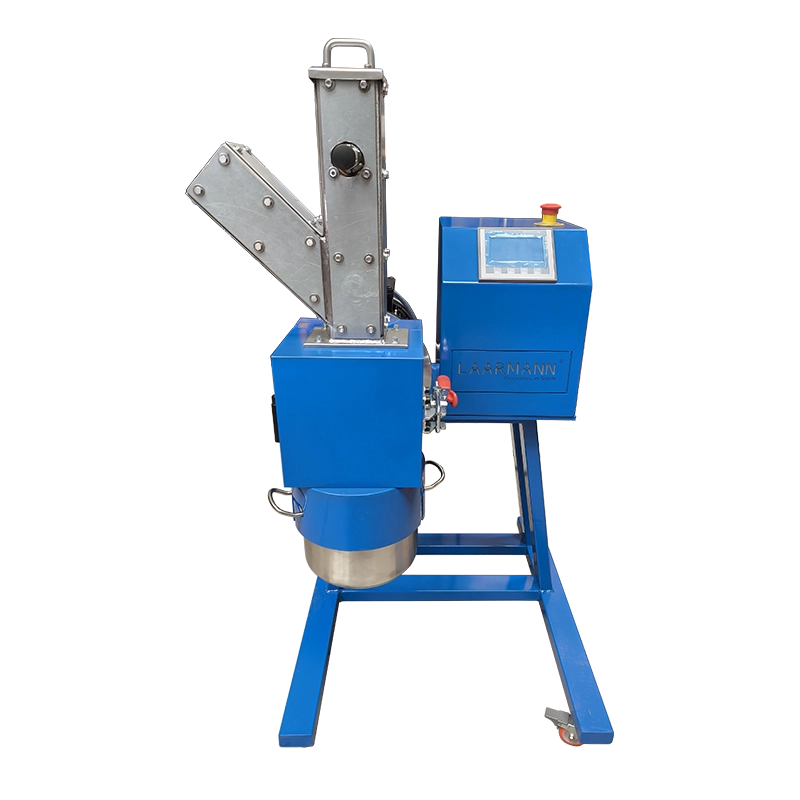
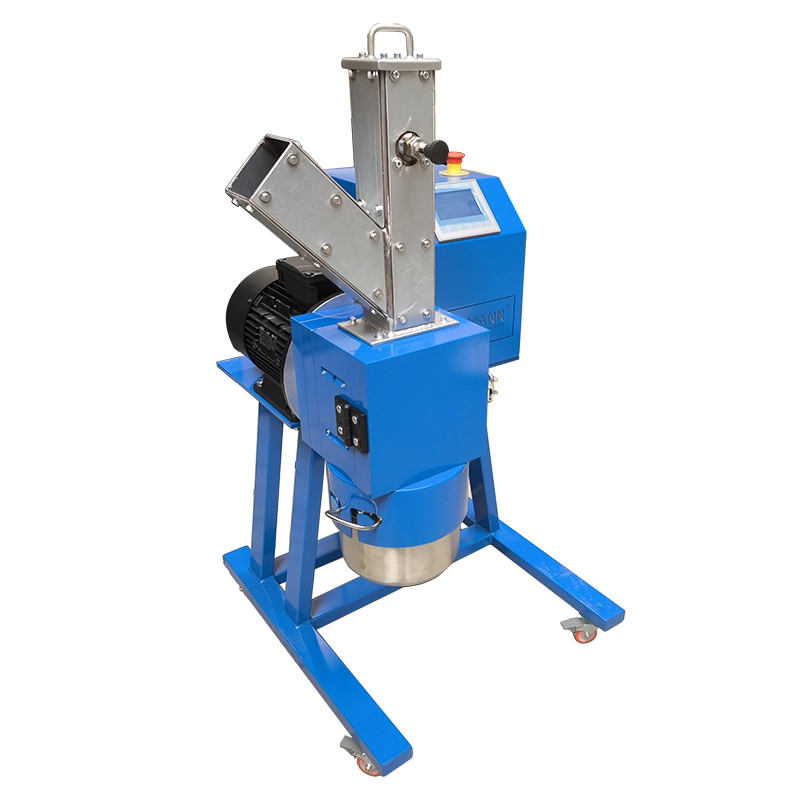
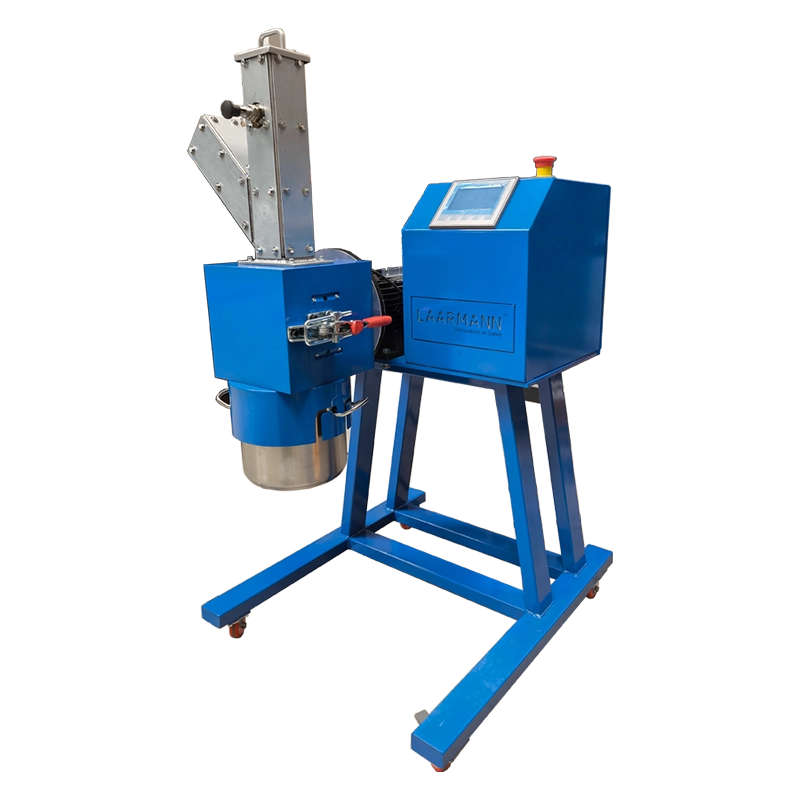
The CM300 Cutting Mill can process a large variety of flexible, medium-hard, fiber and mixed products. It can be used for batch and continuous grinding with variable speeds for fast, efficient grinding. At the end of each milling the door can be opened to remove the knifes and easily clean the grinding chamber.
Feautures and Benefits
- Rapid reduction of large particles
- control panel with rpm, time and reverse amount adjustment
- Quick and easy to clean
- Full range of bottom sieves
- Easily exchange different hoppers, collectors, rotors and bottom sieves
- Collector volume 5.000ml
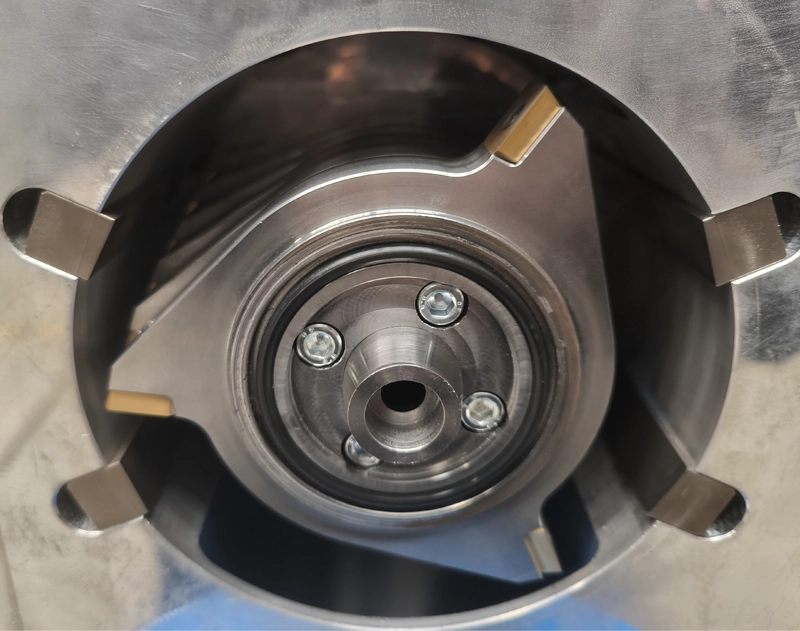
Technical Specifications
| Applications | Rapid size reduction of tough, fibrous, or heterogeneous materials, for sample preparation in sectors like environmental analysis, recycling, agriculture, and pharmaceuticals. |
| Working principle | Cutting with high speed rotating knifes |
| Cutting chamber | 130mm diameter |
| Feed size | 80mm |
| Quantity minimum | 50g |
| Quantity maximum | 5000ml |
| Speed setting | 750-3018 rpm |
| End-fineness | 250 μm* |
| End-fineness adjustment | By interchangeable bottom sieves |
| Setting adjustment method | external start and stop button |
| Consumeable material | stainless steel bottom sieves and rotors |
| Sieve sizes | 0,50mm - 1,00mm trapezoid 2,00mm - 10mm round holes 4,00mm square holes |
| Rotor diameter | 150mm |
| Number of Rotor knifes | 3 |
| Number of stator knifes | 4 |
| Electrical requirements | 3.0 kW |
| Power supply | 230V 50Hz |
| Power connection | 1 phase |
| Dust extraction point | 1 |
| Standard | CE |
| Protection code | IP40 |
| Weight | 135kg |
| Dimensions (width x length x height) | 390 x 485 x 375 mm |
Cutting Mill working principle
The LAARMANN CM300 Cutting Mill is a reliable, high-performance laboratory cutting mill designed to effectively reduce soft, fibrous and medium hard materials. With applications in intensive research, quality control, and pilot plant settings, the CM300 offers accurate and consistent reduction of material size through its high efficiency. The process involves a high-speed rotor with hardened precision cutting blades that provide excellent shearing forces. The use of fixed knives inside the housing ensures a scissor like cutting effect. The material to be processed enters the cutting zone by way of a specially designed guided hopper, with further reduction until they pass through the bottom sieve. This milling process uses an adjustable sieve system to give the best control over the particle size.
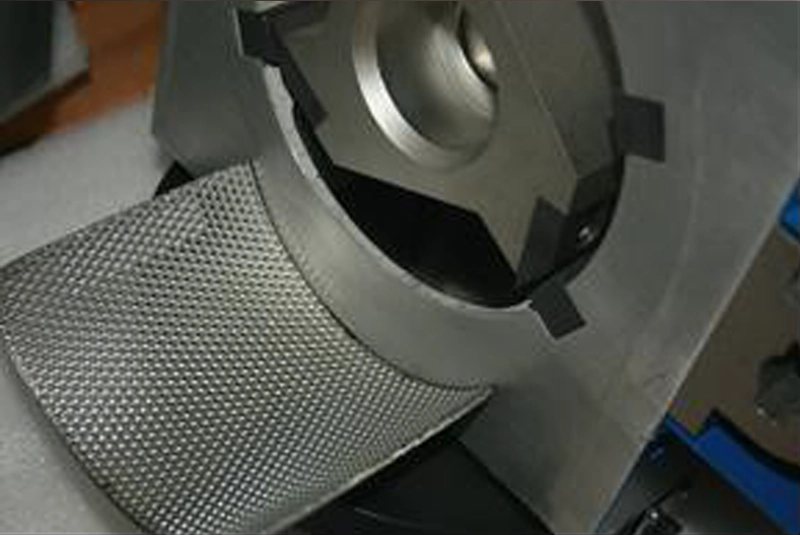
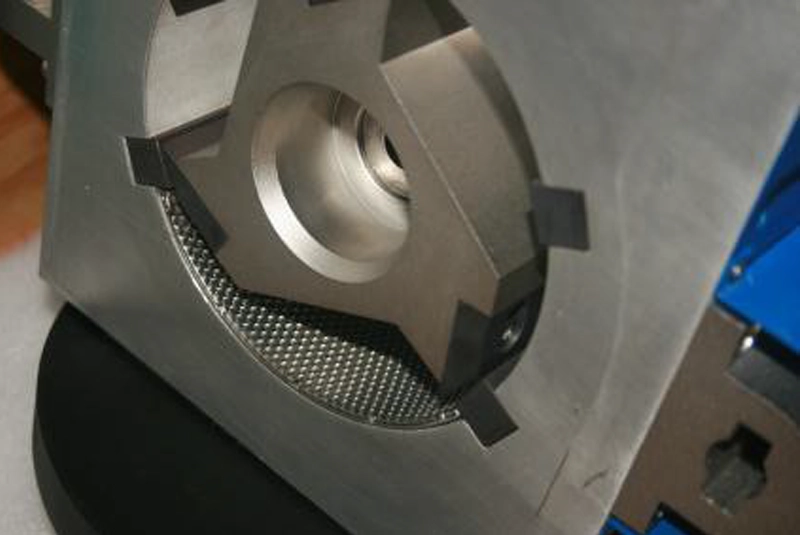
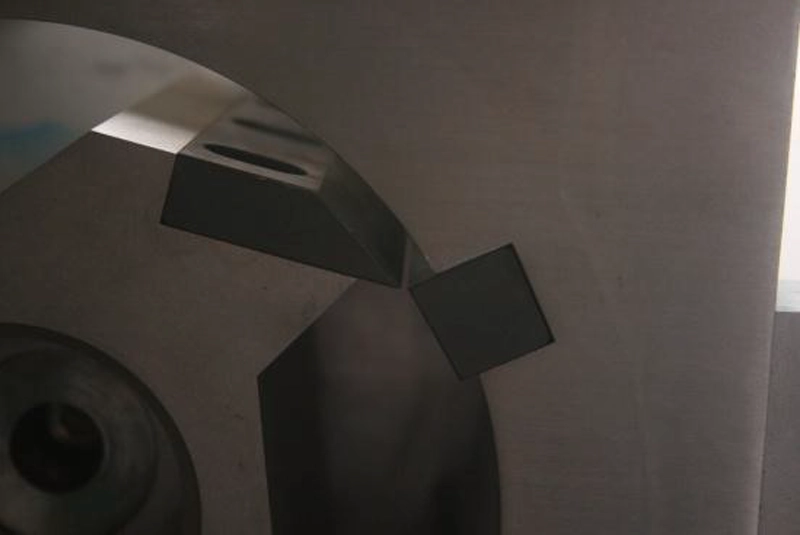
How a Cutting Mill Works
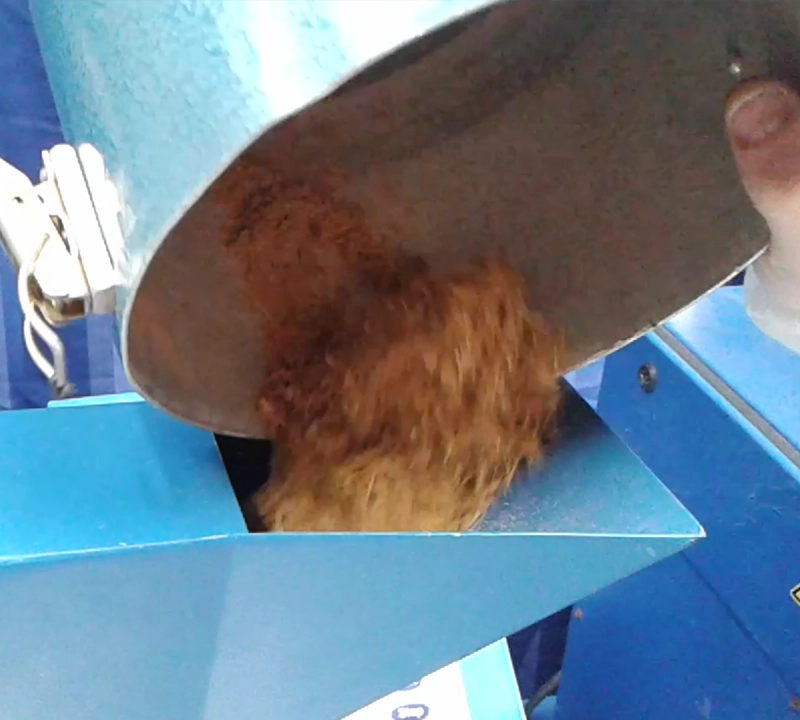
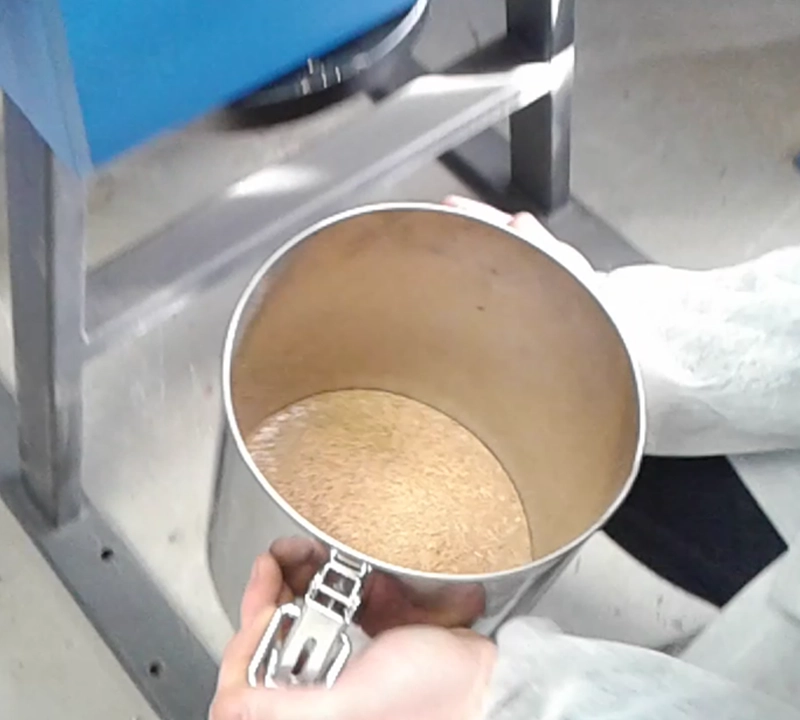
The material to be processed enters the milling chamber through the feed hopper; a feeding device may be present for material control. Here, the rotating blades cut, shear, and impact the material while being opposed by the stationary knives to achieve maximum size reduction. The particles are gradually reduced until they are able to pass through the mesh or screen which ensures even results. The final particle size is defined by the screen aperture. Adjusting the blade setting or changing the screen enables particle size variation.
Cutting Mill control panel
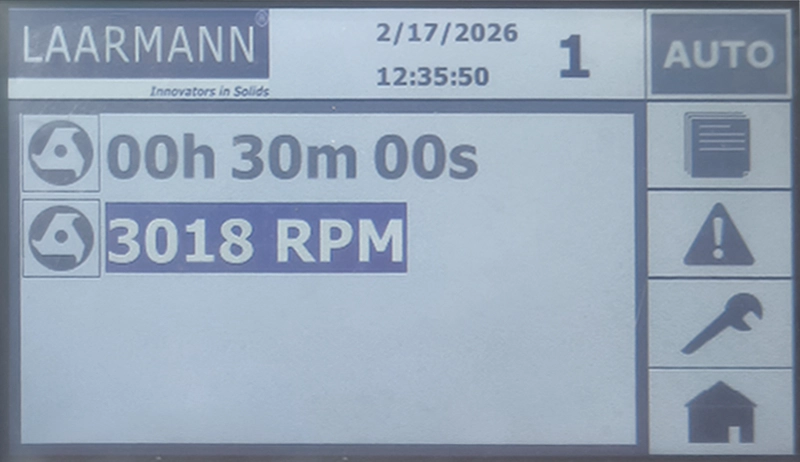
The CM300 has an inbuilt control panel included as standard equipment. This allows full control of rotor speeds and cycling time for optimum machine performance. The controls can be adjusted based on the material being processed, and the CM300 allows digital readings and pre-set programs to be used for ease of operation.
CM100 Cutting Mill FAQ (Frequently Asked Questions)
Applications
Application Examples: Linoleum, Carpets, Cloth, Secondary fuels and Bio Mass, Food and Animal food, Wood, Papaer, Carton, Cellulose, Rubber, Shredder Light Fractions, House Waste, Industrial Waste, Computer Scrap and Electronic Scrap, Plants, Twigs, Roots Herbs, Spices, Gras, Straq, Technical Plastics such as ABS, PA, POM, PE, Bones
- Pharmaceuticals: Used to mill active pharmaceutical ingredients (APIs) and excipients to a fine powder for tablet production or other dosage forms.
- Food Processing: Employed to reduce the size of food products such as spices, grains, or dehydrated vegetables, enhancing their usability in production or packaging.
- Plastics and Recycling: Ideal for shredding plastic waste, rubber, and other polymers into smaller pieces for recycling or reprocessing.
- Agriculture: Utilized to grind seeds, grains, and other agricultural products for feed, biofuel production, or other applications.
- Environmental Science: Applied to reduce the size of environmental samples, such as soil or plant material, for analysis and testing.
Visit our Applications page for our database of specific applications
